
Thursday, 29 March 2018, 3:30 am - 5:30 am EDT
The Harvard Kennedy School New England Alumni Association and the Harvard Club of Boston present a special event, “Blockchain, Bitcoin, and Public Policy.” The decentralized digital ledger technology, Blockchain, has opened an incentive structure economy where everyone can participate, fostering democratization of wealth. Bitcoin was created by Satoshi Nakamoto on Blockchain technology as an act of defiance to the 2008 recession. $11 trillion in credit default swaps will be moving to Blockchain this year. We often hear how Bitcoin price volatility has made a few people rich on paper, but we seldom hear how regulations will come into effect. In this event, we will hear from public policy leaders how they are assessing the regulations to bring in effect the future of decentralized cryptocurrency. We will also hear from the venture capitalists and academics who are investing and researching, respectively, in this immutable technology, therein creating new generations of protocols and infrastructure. Schedule: 6pm Networking 6:30 Panel 7:30 Q&A Q&A will be followed by a book signing by Michael Casey Moderator & Speaker: Michael Casey. Michael Casey is a Senior Advisor for the Digital Currency Initiative at MIT’s Media Lab, where he heads research into blockchain applications that advance financial inclusion and energy efficiency, and a senior lecturer at MIT’s Sloan School of Management. Formerly a journalist at The Wall Street Journal, Casey is also Chairman of the Advisory Board at CoinDesk, the leading media outlet and events coordinator within the digital currency and blockchain industry. He is the author of five books, including the recently published The Truth Machine: The Blockchain and the Future of Everything, which he co-wrote with Paul Vigna. Speakers: Keith Ammon, New Hampshire House Representative. New Hampshire House Bill HB436, which exempts persons using cryptocurrencies like Bitcoin from registering as money transmitters, was signed into law by Governor Chris Sununu in June 2017.With the assistance of one of the bill’s sponsors, NH State Legislator Keith Ammon, the Governor’s office used PoEx’s Proof of Existence service to attest the text of the bill on the Bitcoin blockchain by embedding the cryptographic hash of the PDF in a confirmed transaction. Rep. Ammon, also an avid user who has been buying Bitcoin since the only way to do so was through an Internet Relay Chat (before the launch of any of the early exchanges). Mitchell Weiss. Mitch Weiss is a Professor of Management Practice in the Entrepreneurial Management unit at the Harvard Business School. He created and teaches the school's course on Public Entrepreneurship—on public leaders and private entrepreneurs who invent a difference in the world. He also teaches The Entrepreneurial Manager in the first year of the MBA Program. Prior to joining HBS in 2014, Mitch was Chief of Staff and a partner to Boston’s Mayor Thomas Menino. Mitch helped shape New Urban Mechanics, Boston’s municipal innovation strategy, and make it a model for peer-produced government and change. He also championed Boston’s Innovation District as a regional platform for entrepreneurship and growth. He wrote a case on Bitfury and their efforts in partnership with the Republic of Georgia to use the blockchain for securing property rights and their plans to extend these services more broadly to smart purchase and sale contracts and other basic public services. Richard Dulude. As a programmer turned entrepreneur turned VC, Richard spent the earlier part of his career as a developer, brand manager, and ultimately the CTO of a startup before transitioning successfully as an Investment Associate at the Founder Collective before Co-Founding Underscore VC. Richard now runs the Investment Process for Underscore VC and has led some of the firm’s emerging technology seed investments in areas such as Blockchain, AR/VR, and AI/ML. Richard holds an MBA from Harvard Business School, and both a Masters in Engineering and a Bachelor of Science in Operations Research & Information Engineering from Cornell University. Nimit Sawhney. Nimit has more than 15 years of experience in mobile software development, information security and embedded systems, including 7 years as the business/technical head of an R&D unit. Nimit holds a Master's degree in Computer Science, Electrical Engineering, and Business Management from the Carnegie Mellon University in Pittsburgh and is currently the Co-Founder/CEO of Voatz, an early-stage startup based in the Boston area which is piloting a new blockchain based mobile election voting and citizen engagement platform. Nimit is always exploring new ways of using cutting-edge technologies for the greater good and is an enthusiastic participant in several open source civic tech projects. Prior to Voatz, Nimit led the deployment of secure mobile payment/commerce solutions in Eastern Europe, Caribbean and Africa. Michael Casey's book Truth Machine will be available for purchase throughout the event, and he will sign copies after the Q&A portion of the evening. Tickets $25 online and $30 at the door, and they include heavy hors d'oeuvres and a cash bar. For more information, contact Theodora Skeadas at [email protected].
Coming up on eChai
Today, Thursday 8 October 1 gathering
-
4 pm House of StartsAI Cafe House of Starts




 93 going
Saturday 10 October 5 gatherings
-
9 am Novotel Mumbai International Airport · registration on d2cinsider.aiPartner event Frontier D2C AI Summit, 2nd Edition Novotel Mumbai International Airport · registration on d2cinsider.ai
-
9:30 am registration on wudbox.in
-
11 am IISc Department of Design and ManufacturingBuilt By Design: hardware, software, and everything people make IISc Department of Design and Manufacturing



 48 going
-
11 am DevX PiplodHow Founders & Operators Use AI DevX Piplod




.jpg) 19 going
19 going
-
11 am DevX NoidaHow Founders & Operators Use AI DevX Noida




 11 going
Founders here come to know a few brands well.
Those are eChai’s partner brands. Over a year, founders across the network learn their names and their work, and when somebody asks around for what they do, theirs is the name that comes up.
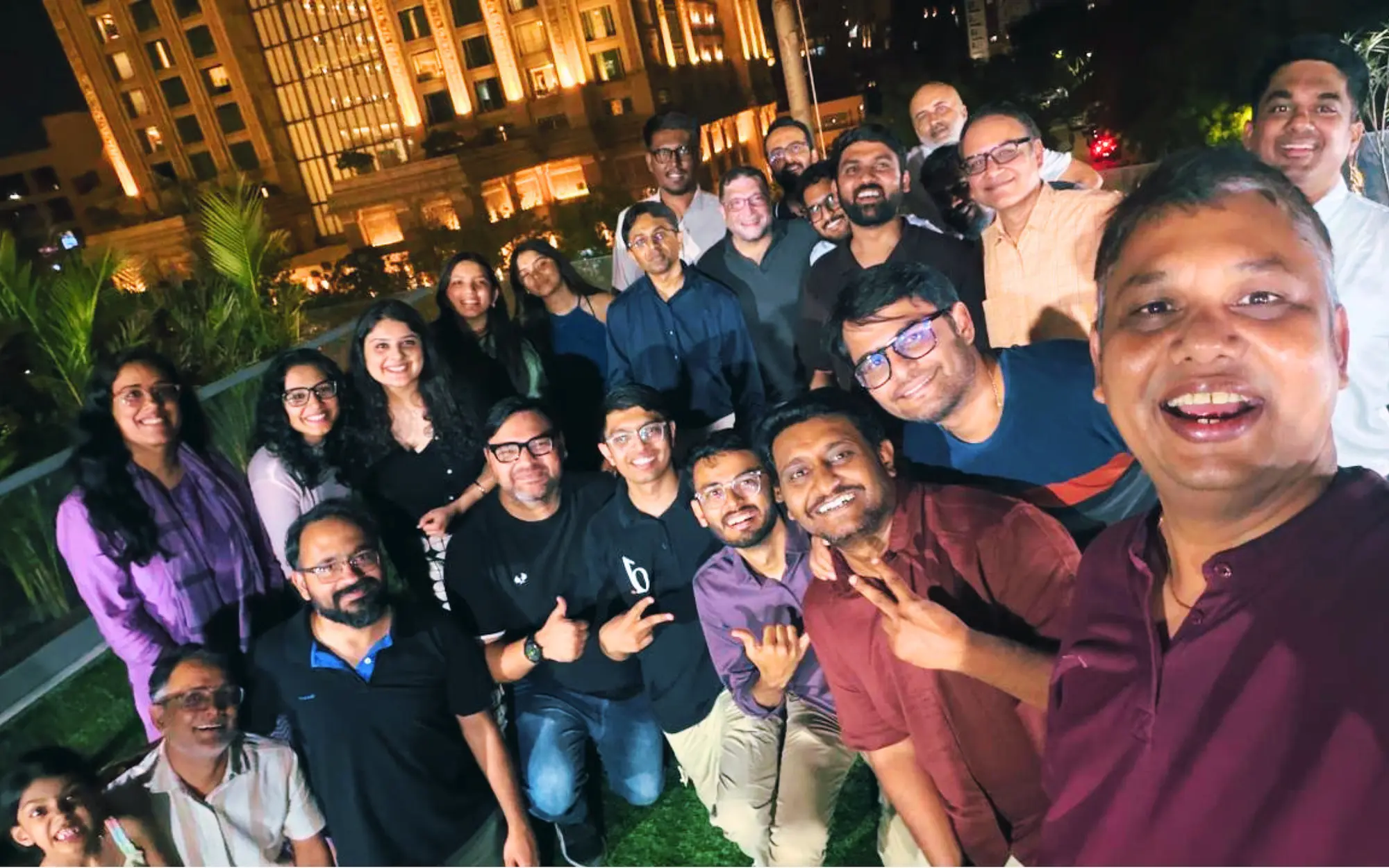
Partner brand founders together at Zestard HQ, Ahmedabad
Who you meet
-
Founders learn your name, then your work.
Over the year they keep running into you: at the gatherings, in the series, on the pages they read through the week. So when one of them needs what you do, they come straight to you.
-
We introduce you to the people you want to reach.
After seventeen years of gatherings we know who has built what, and who works with whom. Tell us who you are after, or we come to you when the right person shows up, with your story and why you two should talk.
-
You are invited to the gatherings that fit.
Open houses, Demo Days, the AI sessions, FailCode, the curated socials and the smaller dinners, some of them by invitation. When one fits what you do and who you want to meet, you are on the list.
What we do with you
-
We sit down with you on your story, your brand and your business.
One to one, more than once in the year. We have heard a few thousand founders, so you hear fairly quickly what is working, what is not, and what we would change first.
-
We take your team through what AI changed for us.
Almost everything eChai builds now has AI in the workflow. We go through what we tried, what worked and what wasted our time, and then connect you to founders further along than us.
-
You can ask us anything, whenever it comes up.
Every week we hear what founders are building, what they recommend to each other and what they have moved on from. Twice a year we go through what it means for your category. In between we answer, or find a founder who can.
Where your name runs
-
Your mark comes round under every page on eChai.
The wall of partner brands under the site's pages draws a different ten each time, so yours comes round on the city pages, the event pages and the notes founders read, all year. Your page on echai.ventures stays up after it, and your name runs through our LinkedIn, Instagram and X.
-
The blue tick puts you first wherever founders are listed.
The tick and your company's mark sit beside your name across eChai, and lists of founders put the blue ticks first: your city's people, the directory, and the roster of every gathering you go to, after its hosts and speakers.
-
Your company carries its mark on the Startup Grid.
Where your company is on a city's map of its startups, it is drawn by your mark rather than a dot, opens on your own words and pictures, and is a stop on the tour the map offers of its partner brands.
-
You write and speak here under your own name.
You come into the series we run online (How Founders Use AI, the founder conversations, the long reads) where you have something real to say, and you write in Founder Notes, where founders across our cities write about what they are building.
The brands working with us.






























How it works.
A partnership is for growth stage founders who want to come in as a partner brand, and it runs one year at a time. The brand fee for the year is paid to eChai. An affiliate share runs alongside it, linked to the outcomes we drive together. Both carry GST.
Everything a partnership comes withTo come in as a partner brand, write to me at [email protected] and tell me what you want the year to do for your brand.
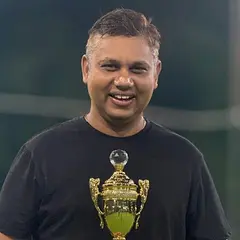
Jatin ChaudharyCo-founder, eChai Ventures
eChai in other cities.
India
- Agartala Proposed
- Agra Proposed · 3 of 20
-
 Ahmedabad
5 upcoming
Ahmedabad
5 upcoming
- Aizawl Proposed
-
 Ajmer
Ajmer
- Amravati Proposed
- Amritsar Proposed · 1 of 20
- Anand Proposed · 4 of 20
- Asansol Proposed
- Bareilly Proposed
- Belagavi Proposed · 1 of 20
-
 Bengaluru
7 upcoming
Bengaluru
7 upcoming
- Bhagalpur Proposed
-
 Bhavnagar
-
 Bhopal
Proposed · 10 of 20
Bhopal
Proposed · 10 of 20
-
 Bhubaneswar
Proposed · 11 of 20
Bhubaneswar
Proposed · 11 of 20
- Bikaner Proposed · 1 of 20
- Bilaspur Proposed
-
 Chandigarh
Proposed · 14 of 20
Chandigarh
Proposed · 14 of 20
-
 Chennai
- Chhatrapati Sambhajinagar Proposed · 4 of 20
-
 Coimbatore
Proposed · 5 of 20
Coimbatore
Proposed · 5 of 20
- Cuttack Proposed · 1 of 20
- Davangere Proposed
- Dehradun Proposed · 6 of 20
-
 Delhi-NCR
2 upcoming
Delhi-NCR
2 upcoming
- Dhanbad Proposed
- Dimapur Proposed
- Durgapur Proposed · 1 of 20
- Erode Proposed
- Gandhinagar Proposed · 2 of 20
- Gangtok Proposed
- Gorakhpur Proposed · 2 of 20
- Guntur Proposed
- Guwahati Proposed · 2 of 20
- Gwalior Proposed · 1 of 20
- Haridwar Proposed · 1 of 20
- Hubballi Proposed · 1 of 20
-
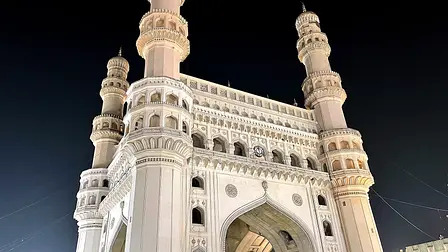 Hyderabad
2 upcoming
Hyderabad
2 upcoming
- Imphal Proposed
-
 Indore
1 upcoming
Indore
1 upcoming
- Jabalpur Proposed
-
 Jaipur
- Jalandhar Proposed
- Jammu Proposed · 2 of 20
- Jamnagar Proposed · 4 of 20
- Jamshedpur Proposed
- Jodhpur Proposed · 1 of 20
- Junagadh Proposed · 1 of 20
- Kannur Proposed
- Kanpur Proposed · 6 of 20
- Karimnagar Proposed · 1 of 20
-
 Kochi
Proposed · 13 of 20
Kochi
Proposed · 13 of 20
- Kolhapur Proposed · 1 of 20
-
 Kolkata
- Kota Proposed · 1 of 20
- Kozhikode Proposed
-
 Lucknow
Proposed · 15 of 20
Lucknow
Proposed · 15 of 20
- Ludhiana Proposed · 2 of 20
- Madurai Proposed · 1 of 20
- Mangaluru Proposed · 2 of 20
- Meerut Proposed
- Mohali Proposed
-
 Mumbai
2 upcoming
Mumbai
2 upcoming
- Muzaffarpur Proposed · 1 of 20
- Mysuru Proposed · 1 of 20
-
 Nagpur
1 upcoming
Nagpur
1 upcoming
- Nashik Proposed · 1 of 20
- Nellore Proposed · 4 of 20
- Panaji Proposed · 1 of 20
- Patna Proposed · 3 of 20
- Prayagraj Proposed · 3 of 20
- Puducherry Proposed · 1 of 20
-
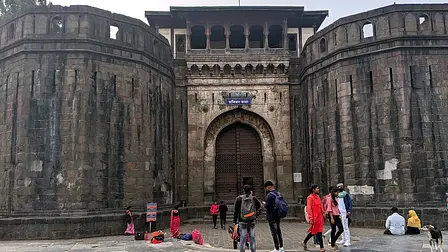 Pune
2 upcoming
Pune
2 upcoming
-
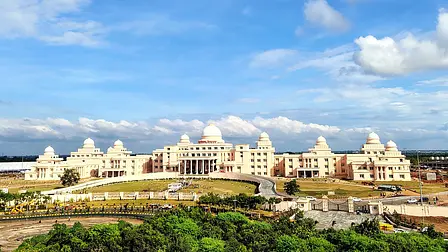 Raipur
Proposed · 6 of 20
Raipur
Proposed · 6 of 20
- Rajahmundry Proposed
-
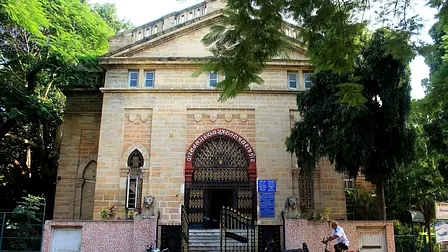 Rajkot
1 upcoming
Rajkot
1 upcoming
- Ranchi Proposed · 2 of 20
- Rourkela Proposed
- Salem Proposed · 1 of 20
- Shillong Proposed
- Shimla Proposed
- Siliguri Proposed
- Solapur Proposed
- Srinagar Proposed
-
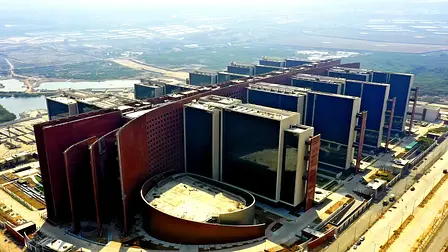 Surat
2 upcoming
Surat
2 upcoming
-
 Thiruvananthapuram
Proposed · 2 of 20
Thiruvananthapuram
Proposed · 2 of 20
- Thrissur Proposed
- Tiruchirappalli Proposed · 1 of 20
- Tirunelveli Proposed · 3 of 20
- Tirupati Proposed · 2 of 20
- Tirupur Proposed · 2 of 20
-
 Udaipur
1 upcoming
Udaipur
1 upcoming
- Ujjain Proposed
-
 Vadodara
- Varanasi Proposed · 4 of 20
- Vellore Proposed · 1 of 20
- Vijayawada Proposed · 1 of 20
- Visakhapatnam Proposed · 2 of 20
- Warangal Proposed · 1 of 20
North America













No city by that name here yet.
Every city on eChai
Founders who came to their first meetup years ago are still turning up, in cities they hadn’t moved to yet.
Joining is a profile: a photograph, your name and a way to reach you. With it, registering for a gathering takes one tap.
Join eChai