
.png)
.png)
.png)
.png)

.png)
.png)
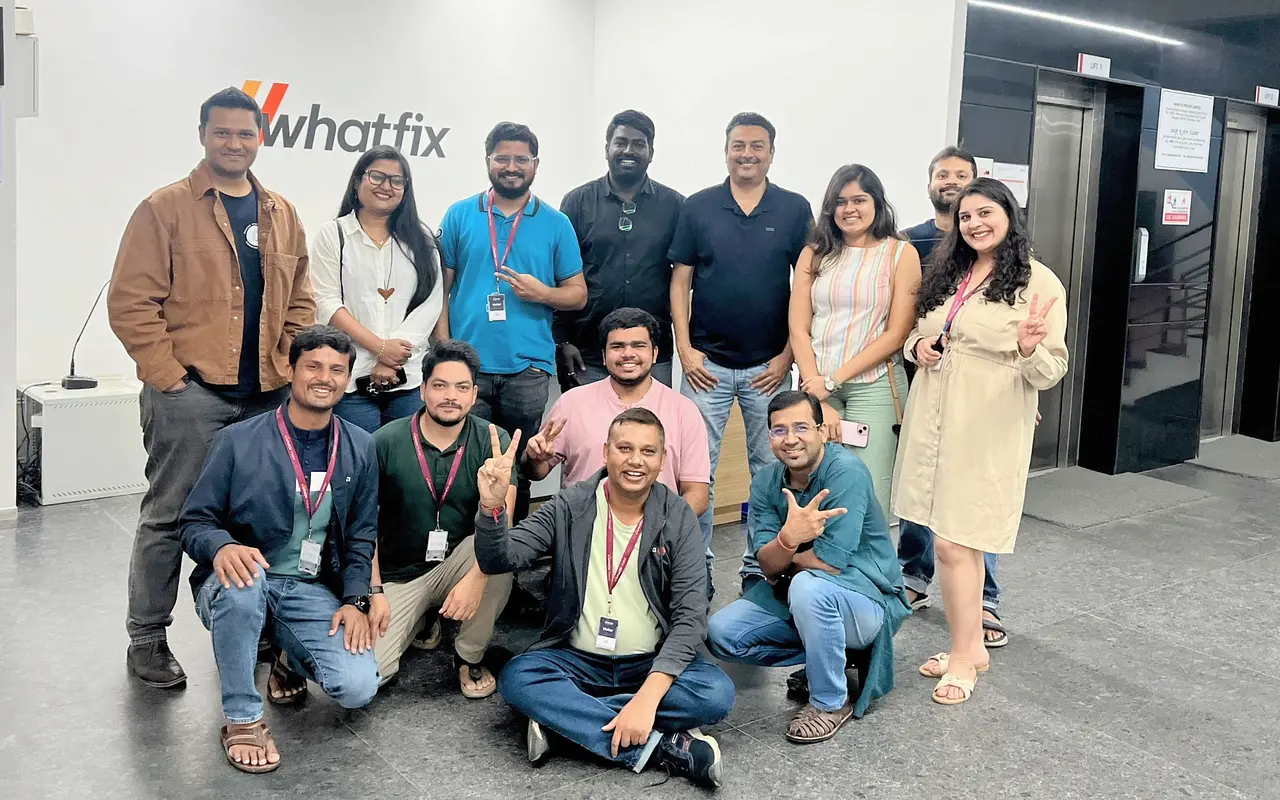
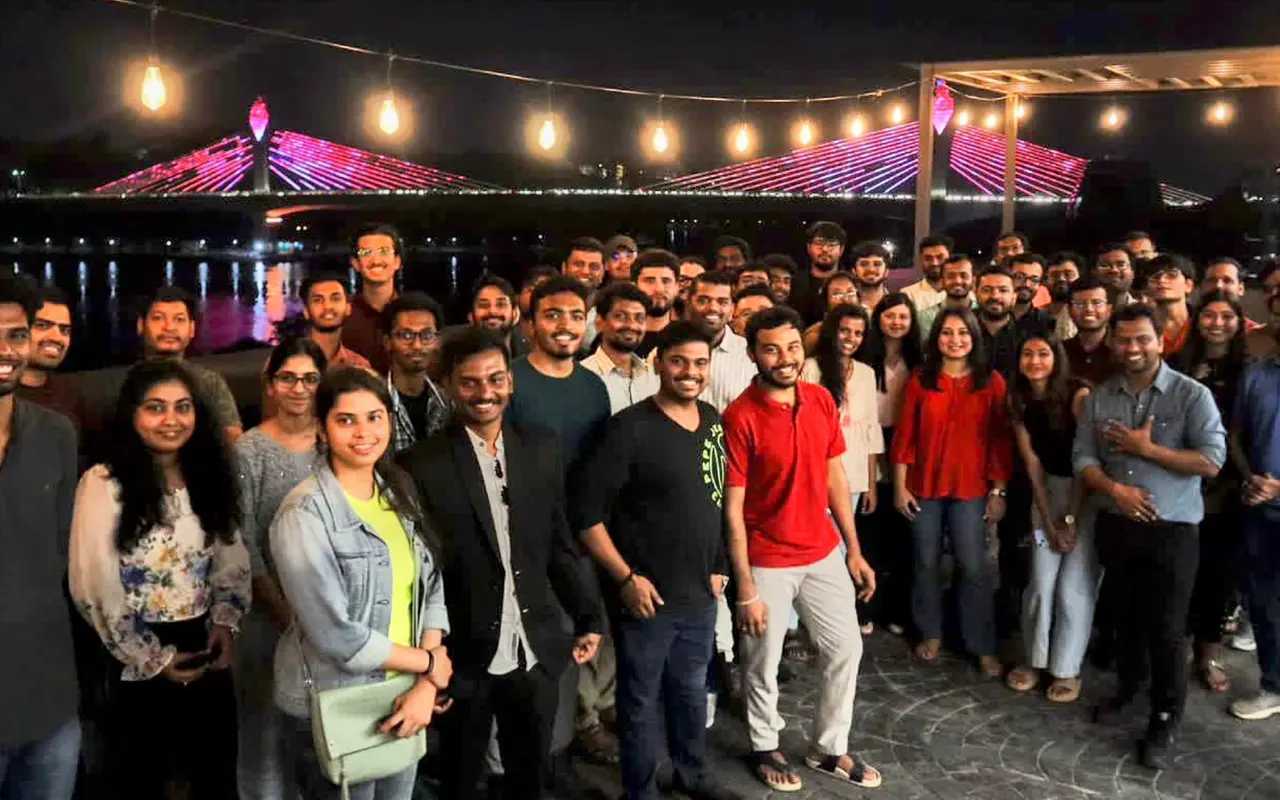
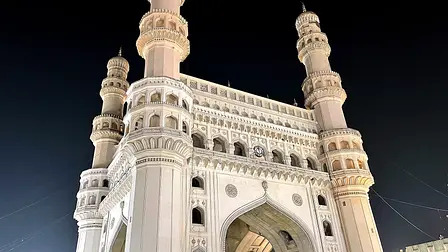
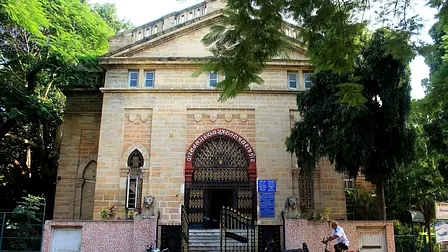
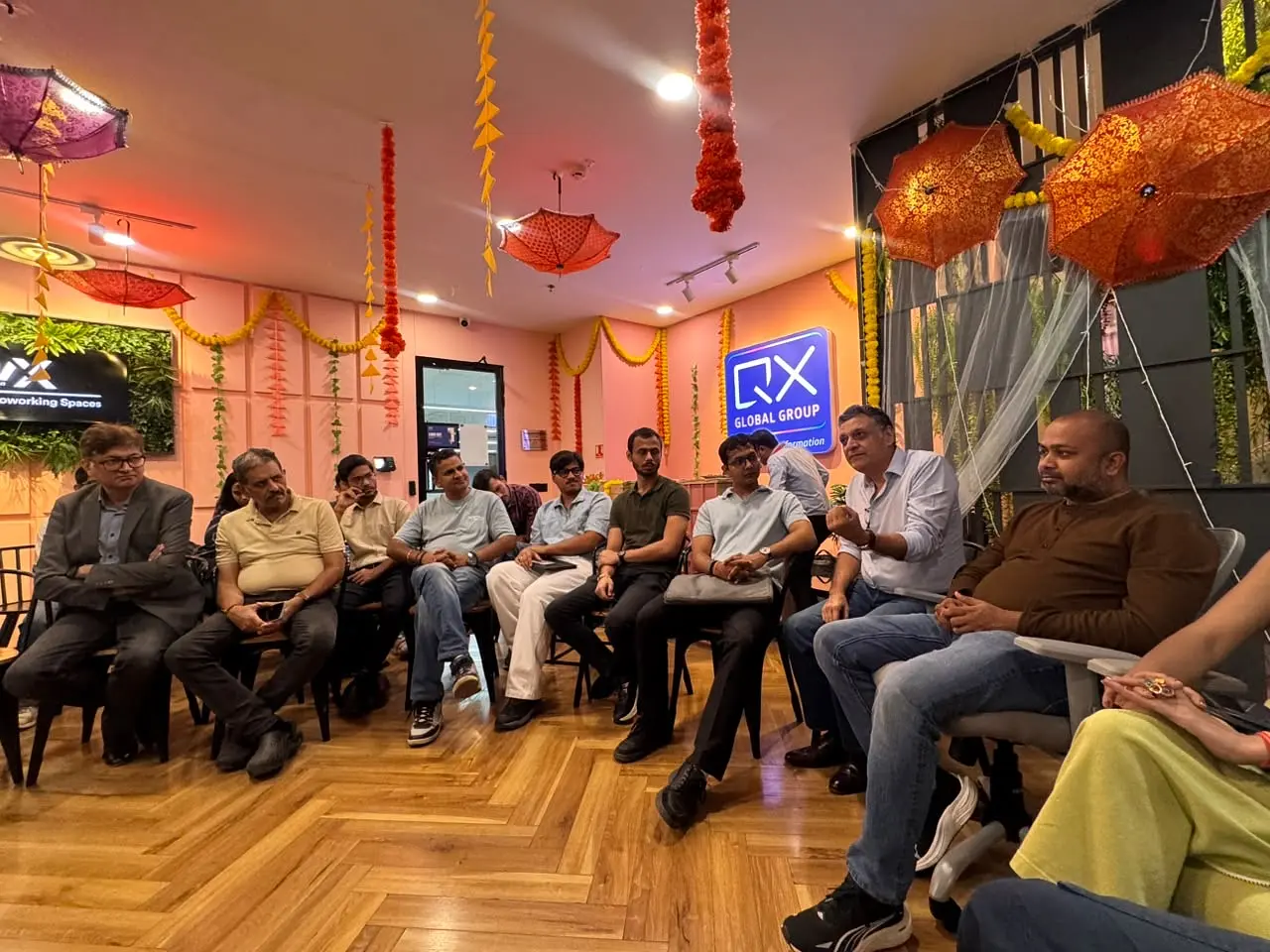
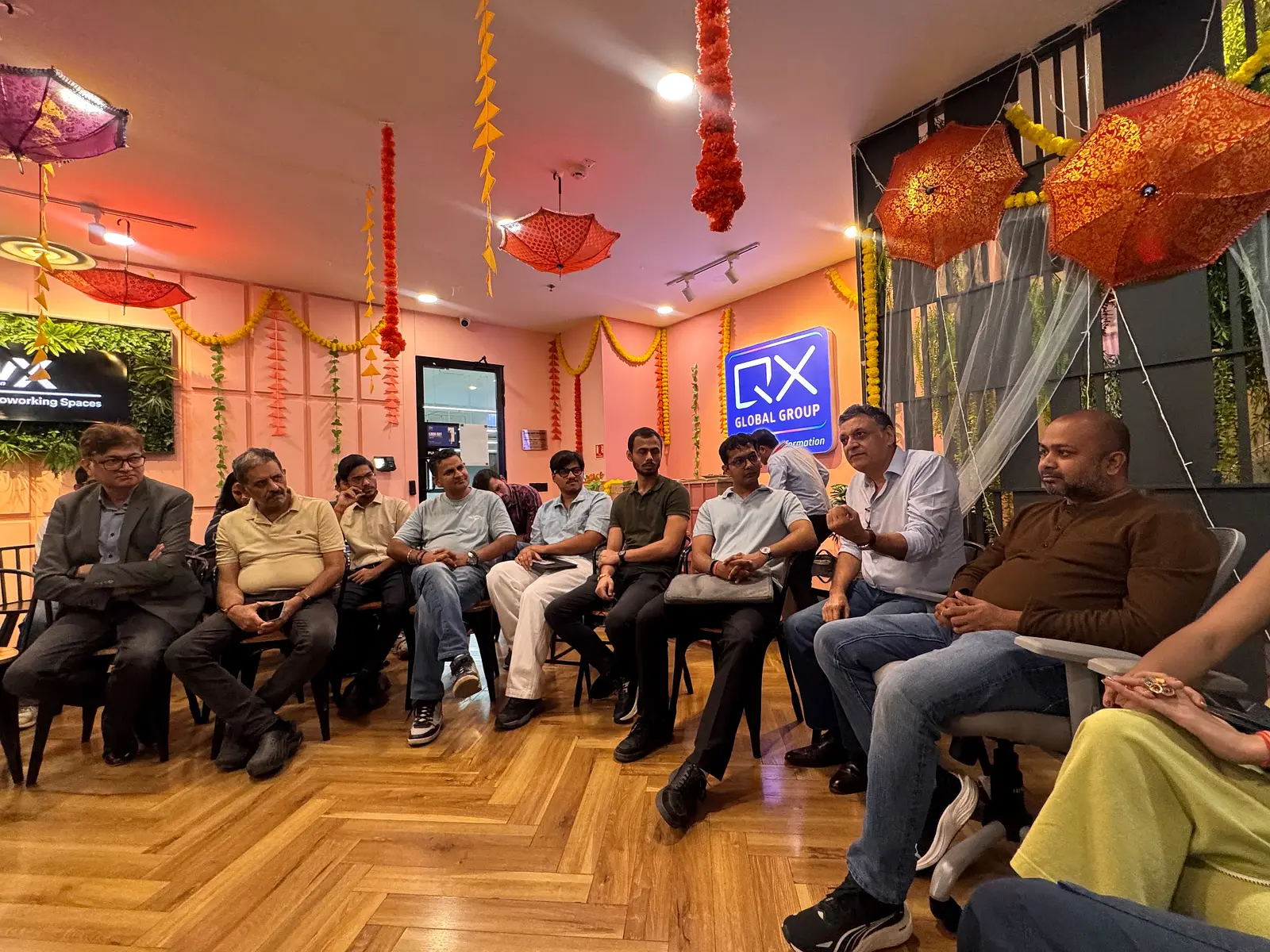
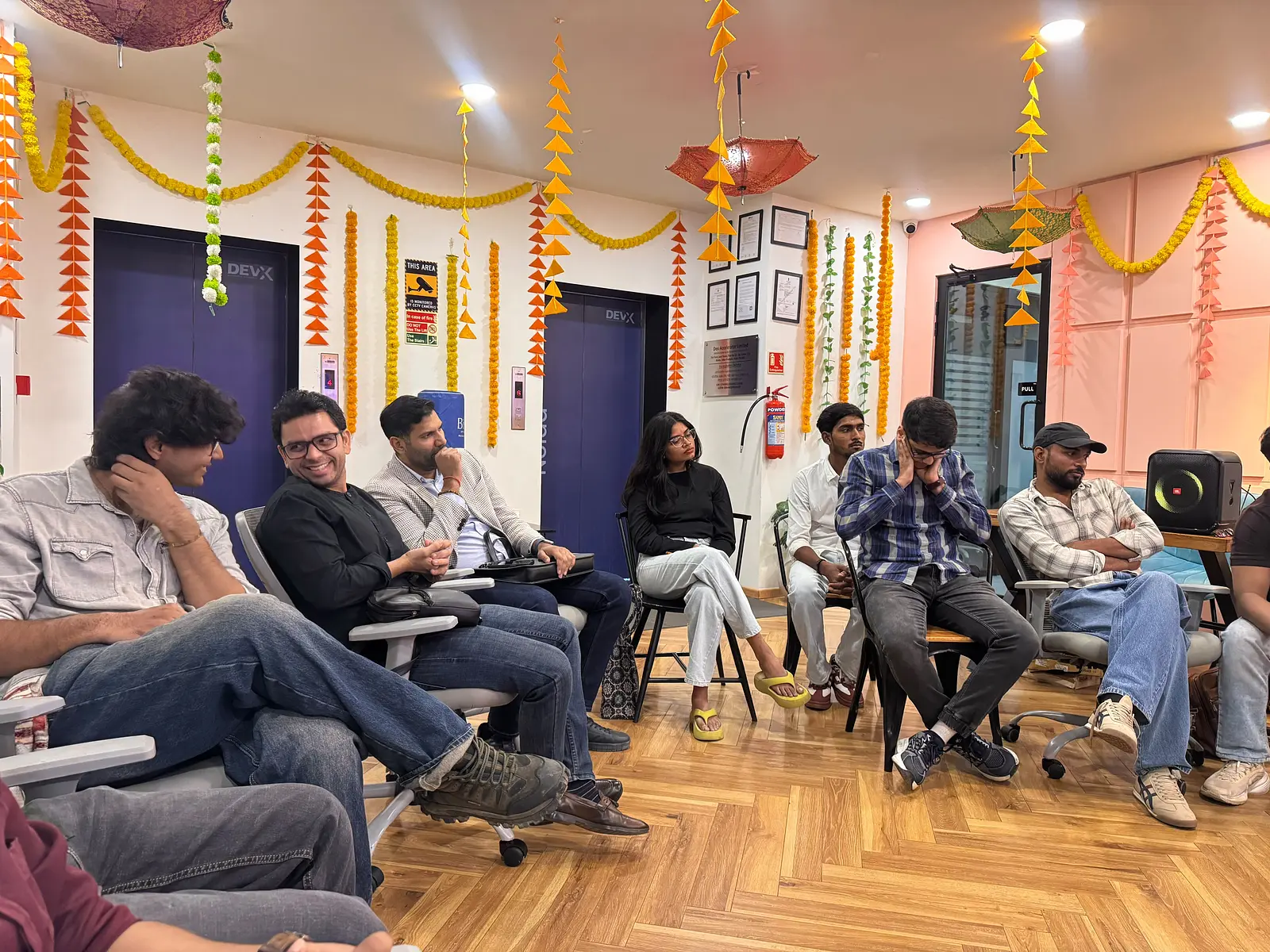
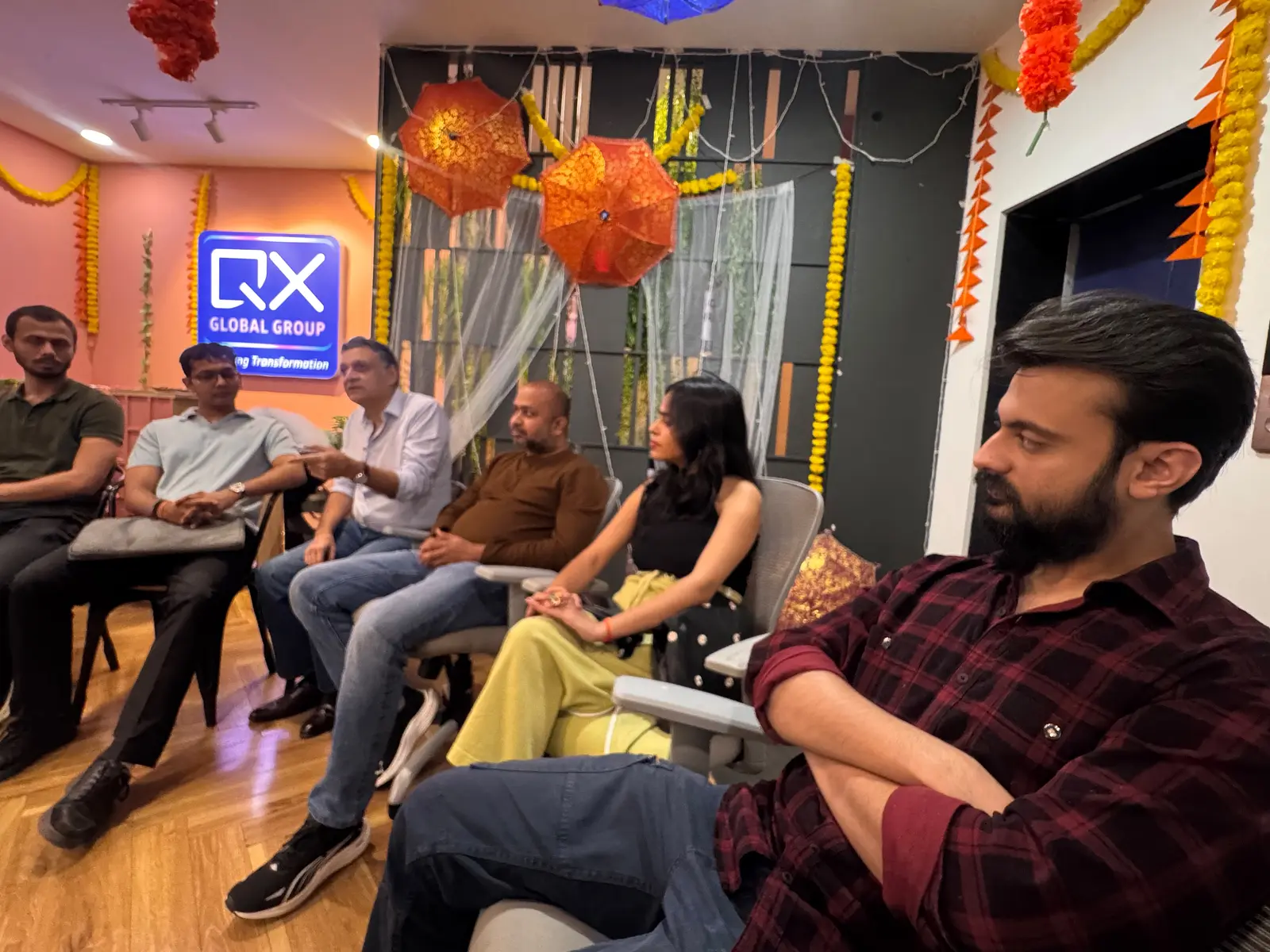
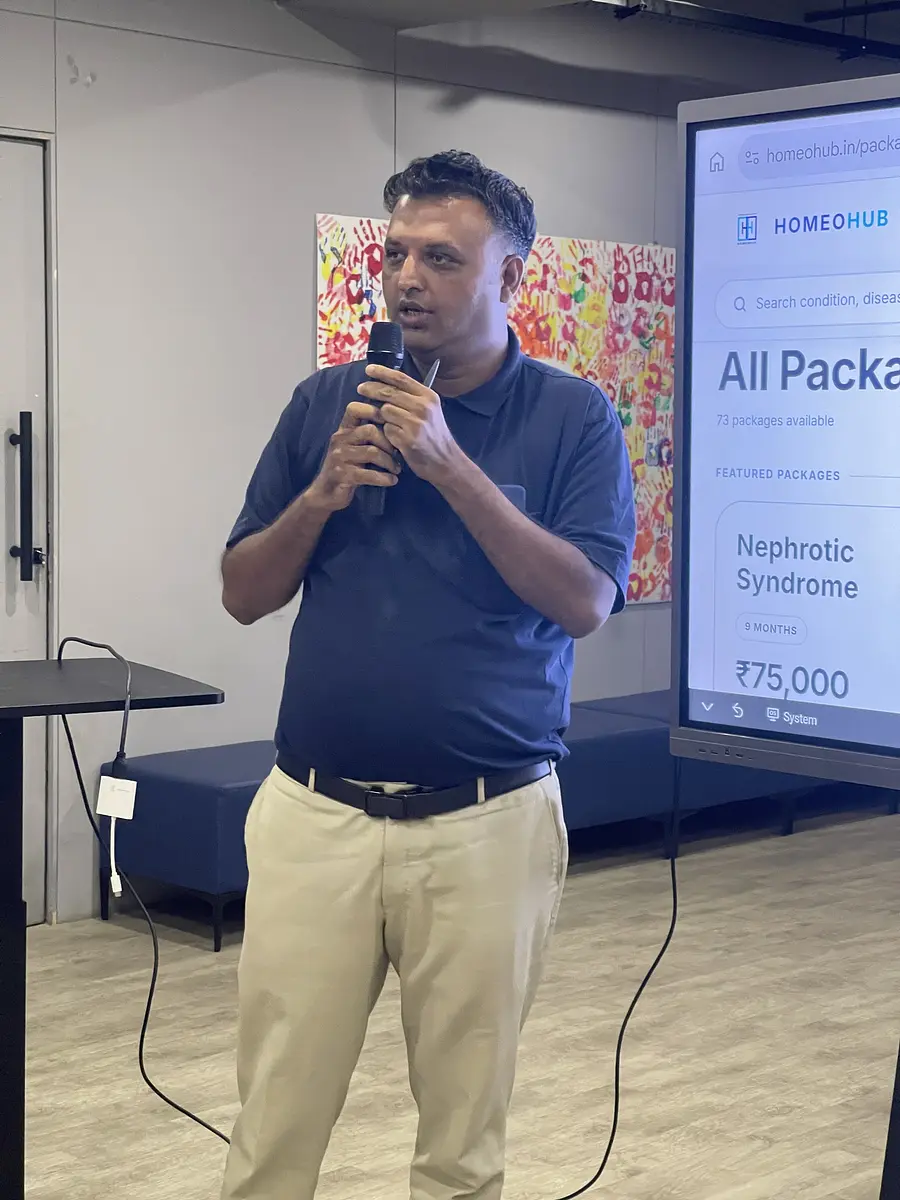
The one where Whatfix CEO Khadim Batti hosted the eChai founders social at Whatfix Towers
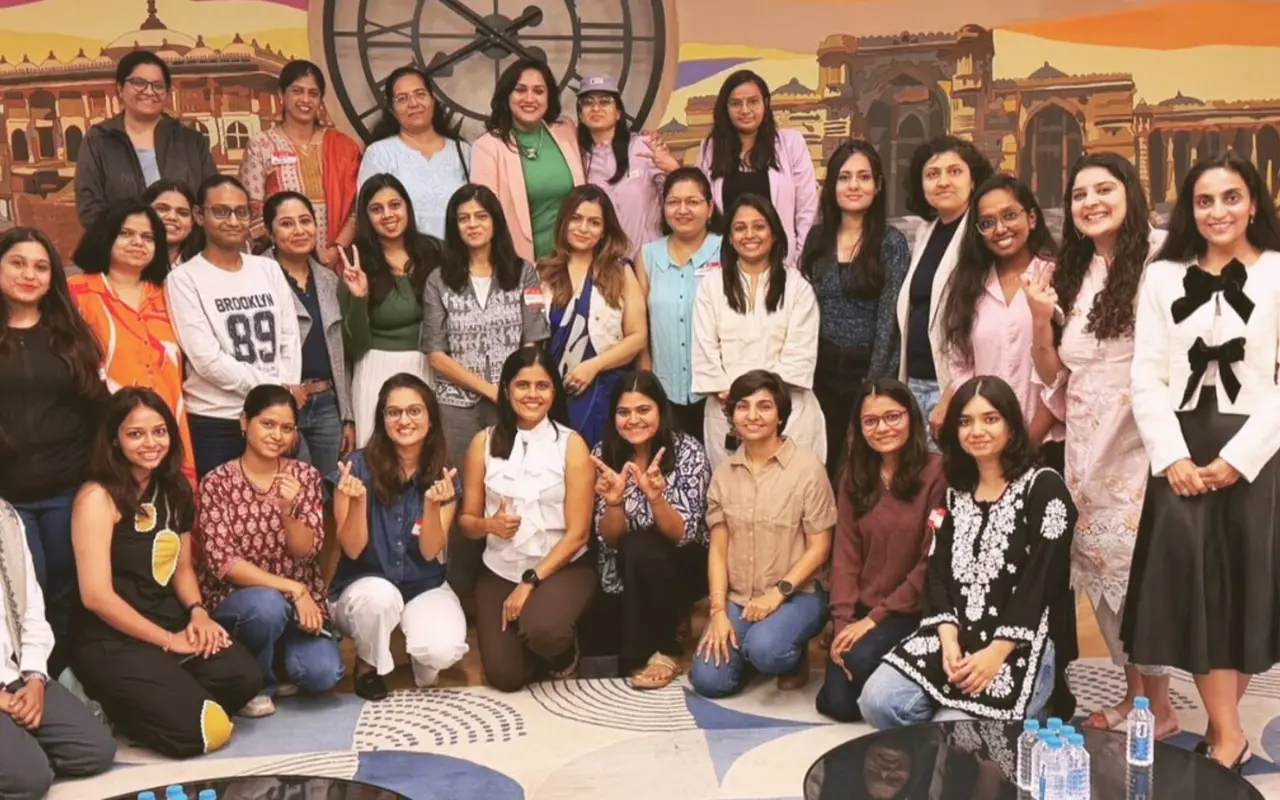
The one where the eChai Women Founders Initiative came to life
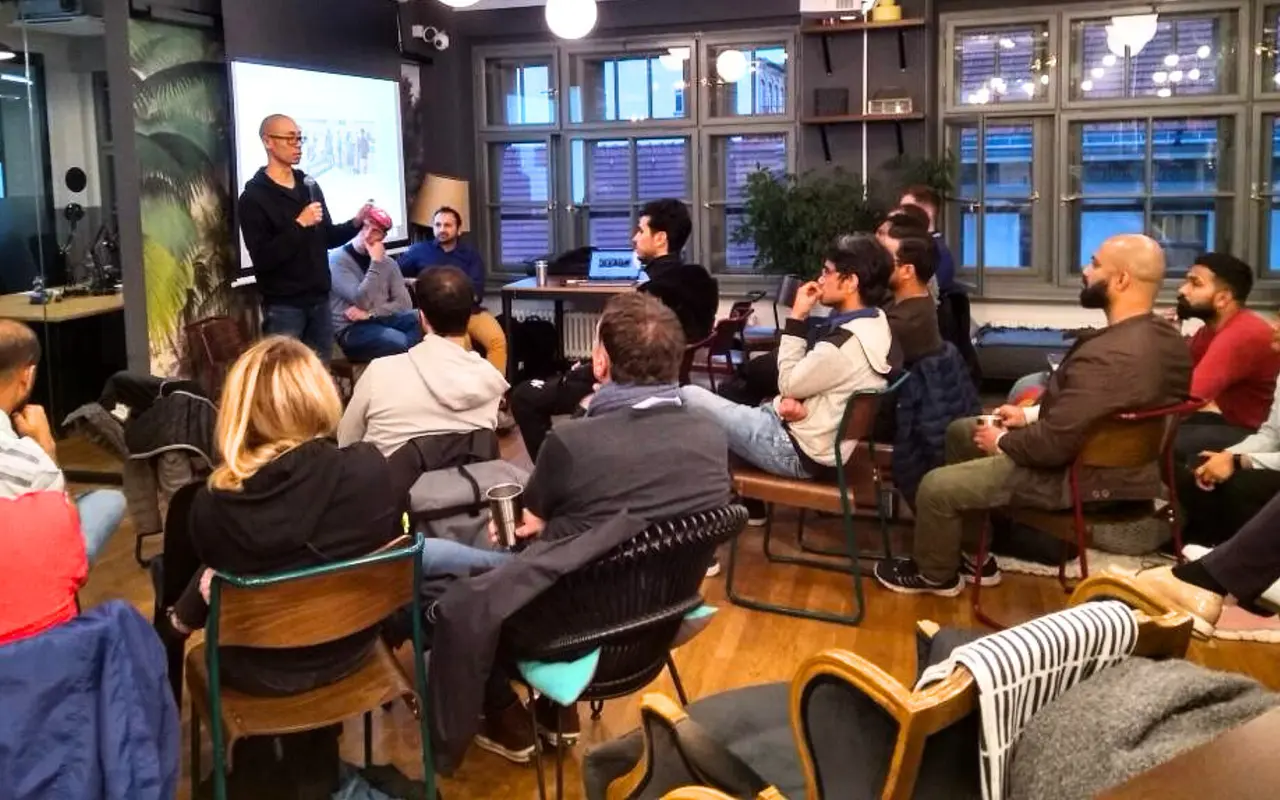
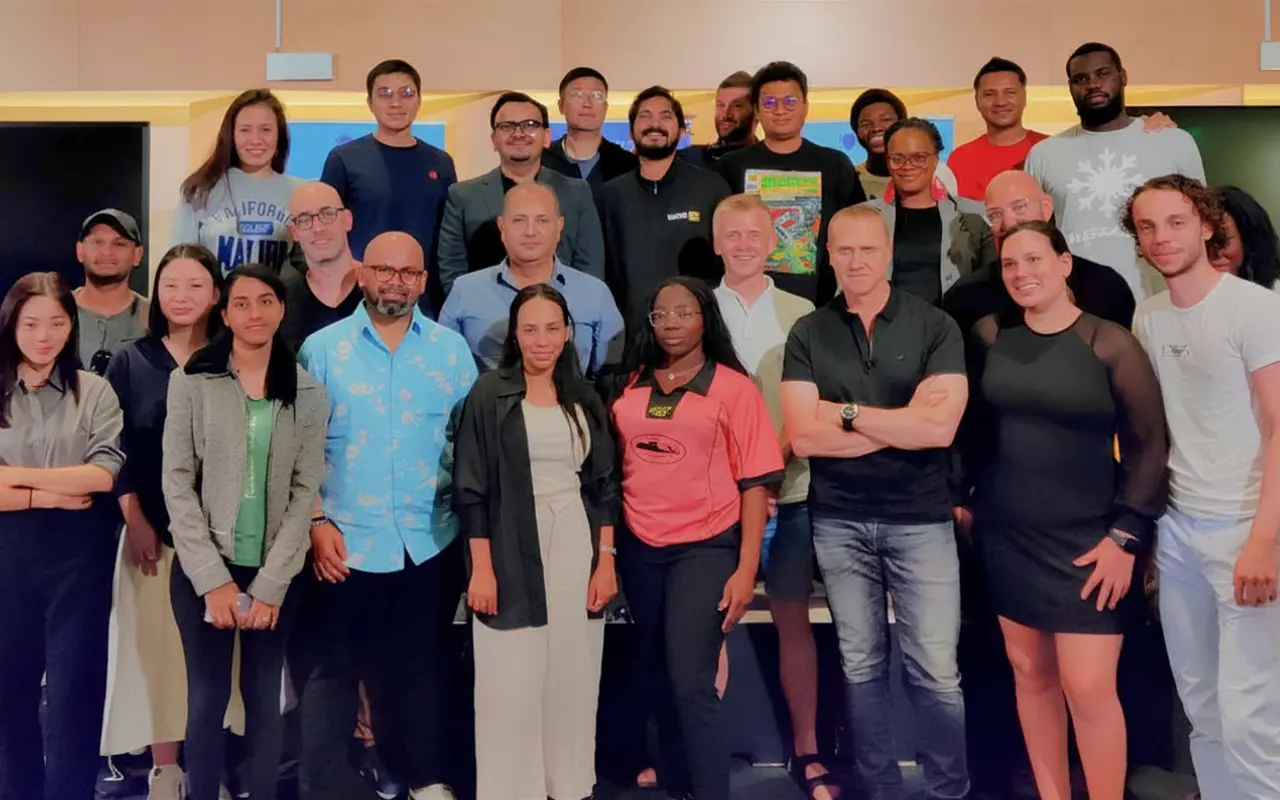
The one where Ocean Protocol's Bruce Pon showed up for the eChai Berlin launch at WeWork
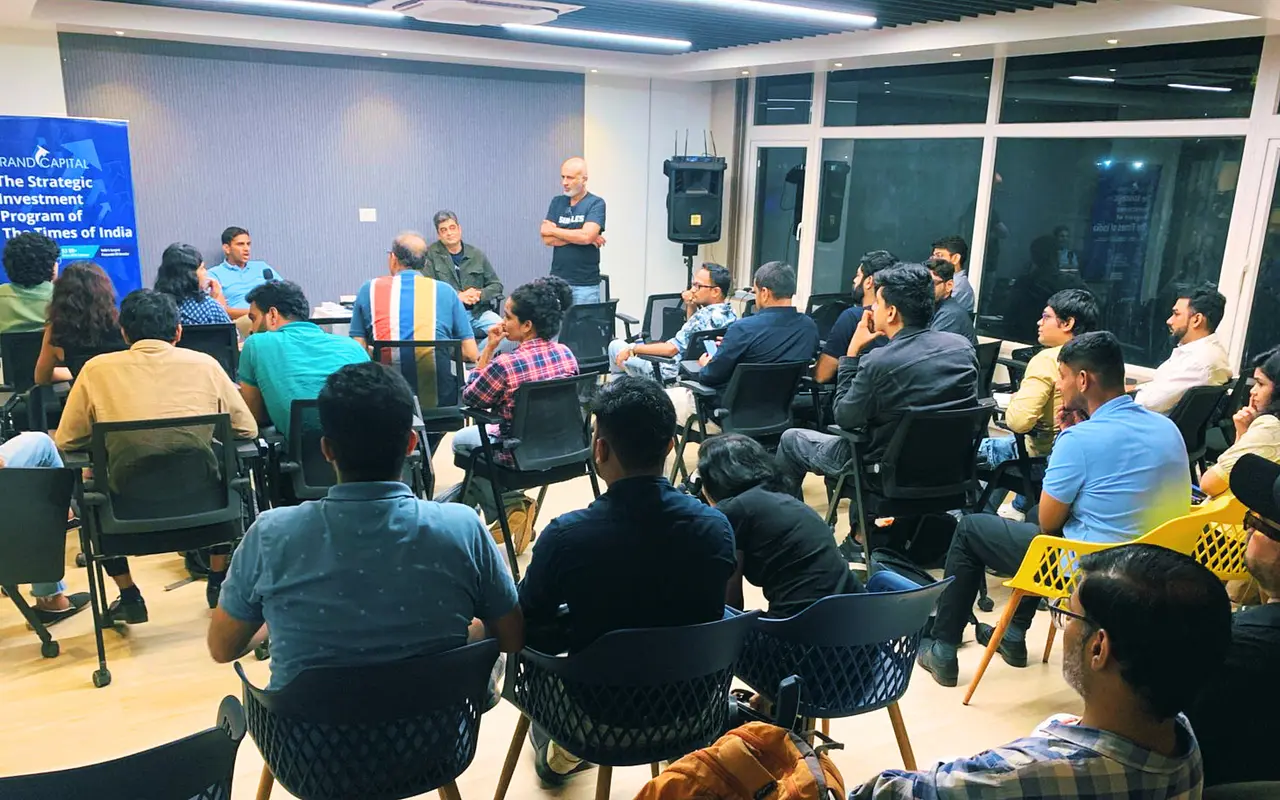
The one where eChai hosted D2C founders with Arjun Vaidya at iconic Times of India Building, Fort Mumbai
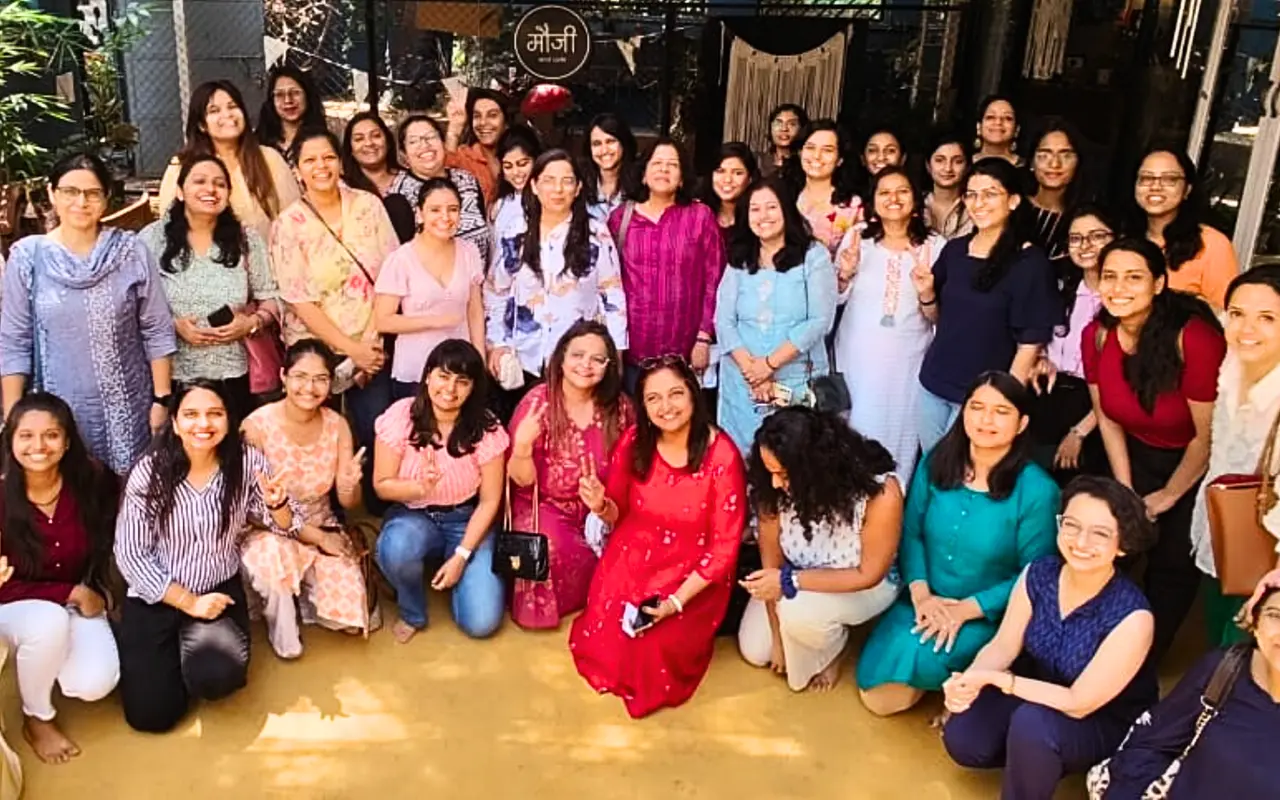
The one where Pratiti Desai brings eChai Women Founders together every month at Mauji Cafe
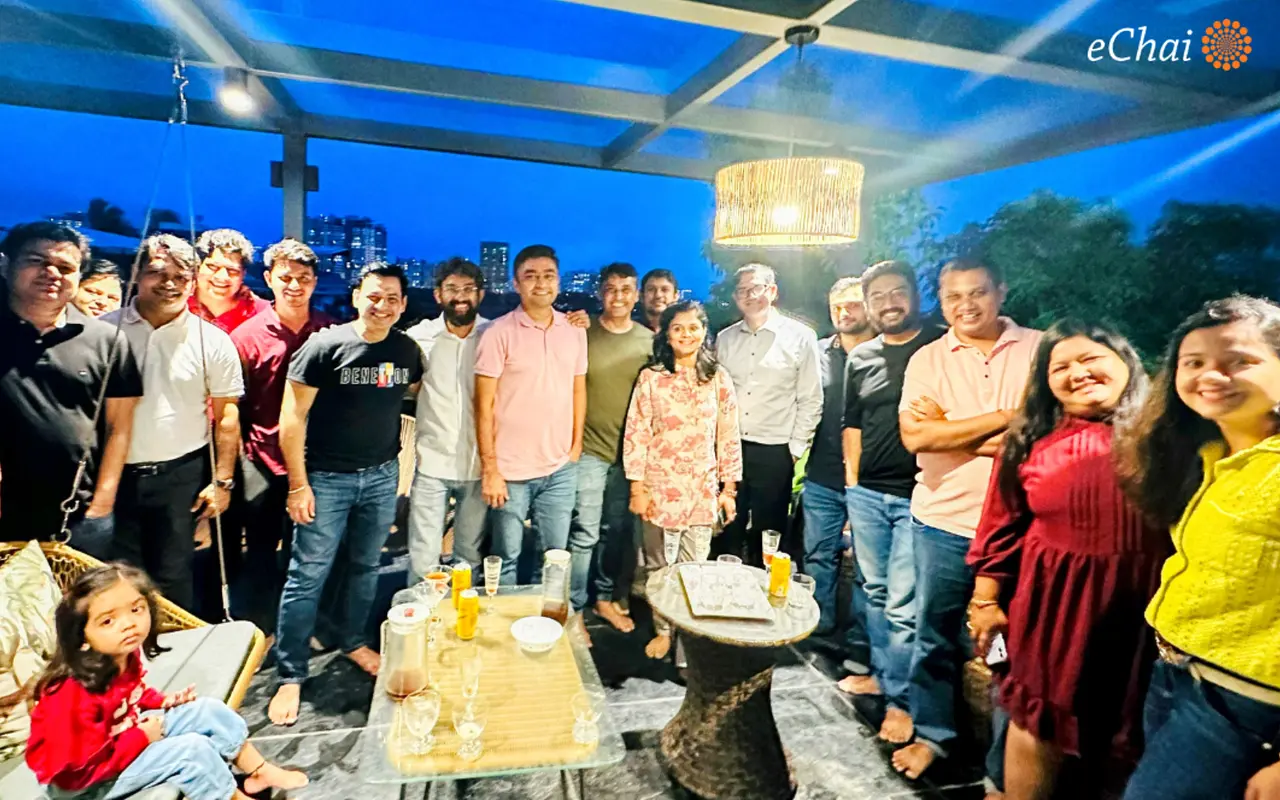
The one where CA Mehul Shah hosted an eChai Social at his home with top founders from Surat
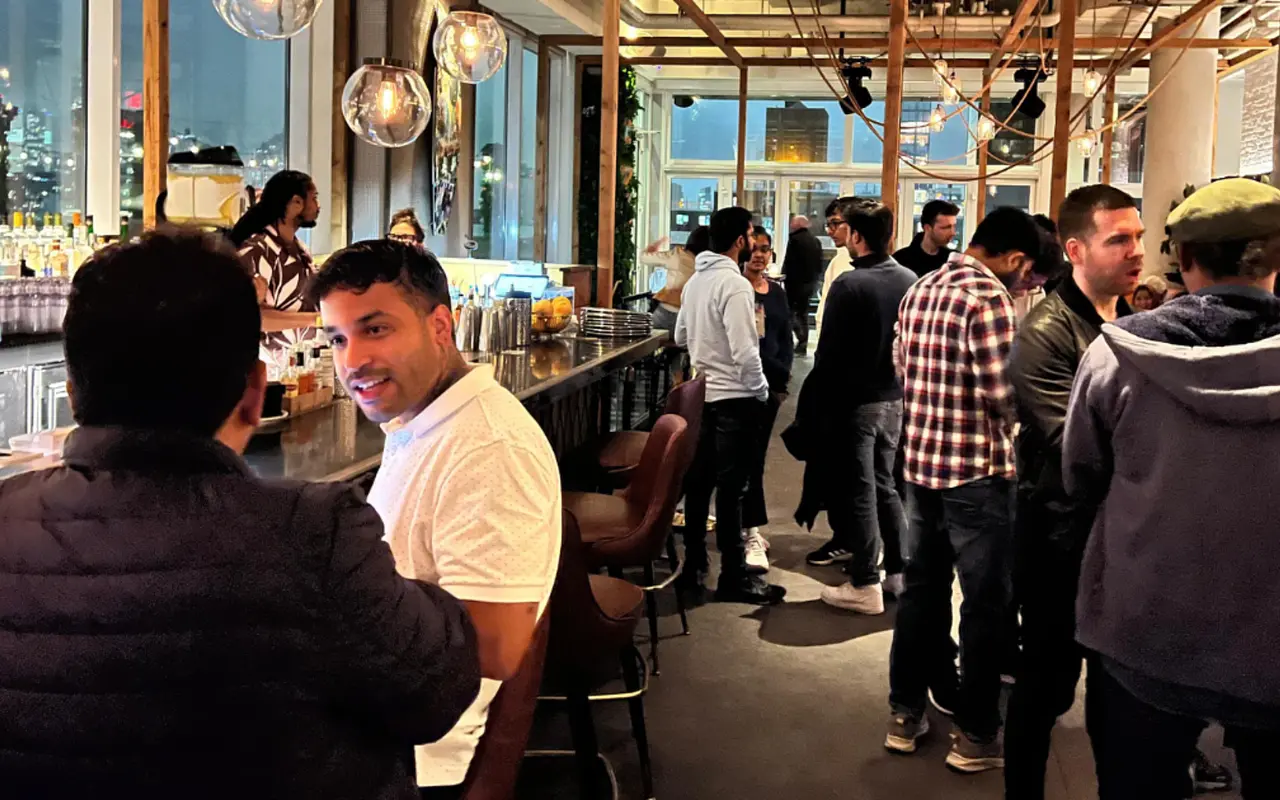
The one where eChai lit up the Mr Purple Rooftop Bar with founders in New York City
The one where eChai took AI to the business leaders of Karnavati Club, Ahmedabad
The one where eChai brought international founders together at the Startup Social, Dubai
The one where eChai and CoKarma give early stage founders a monthly launch pad in Hyderabad
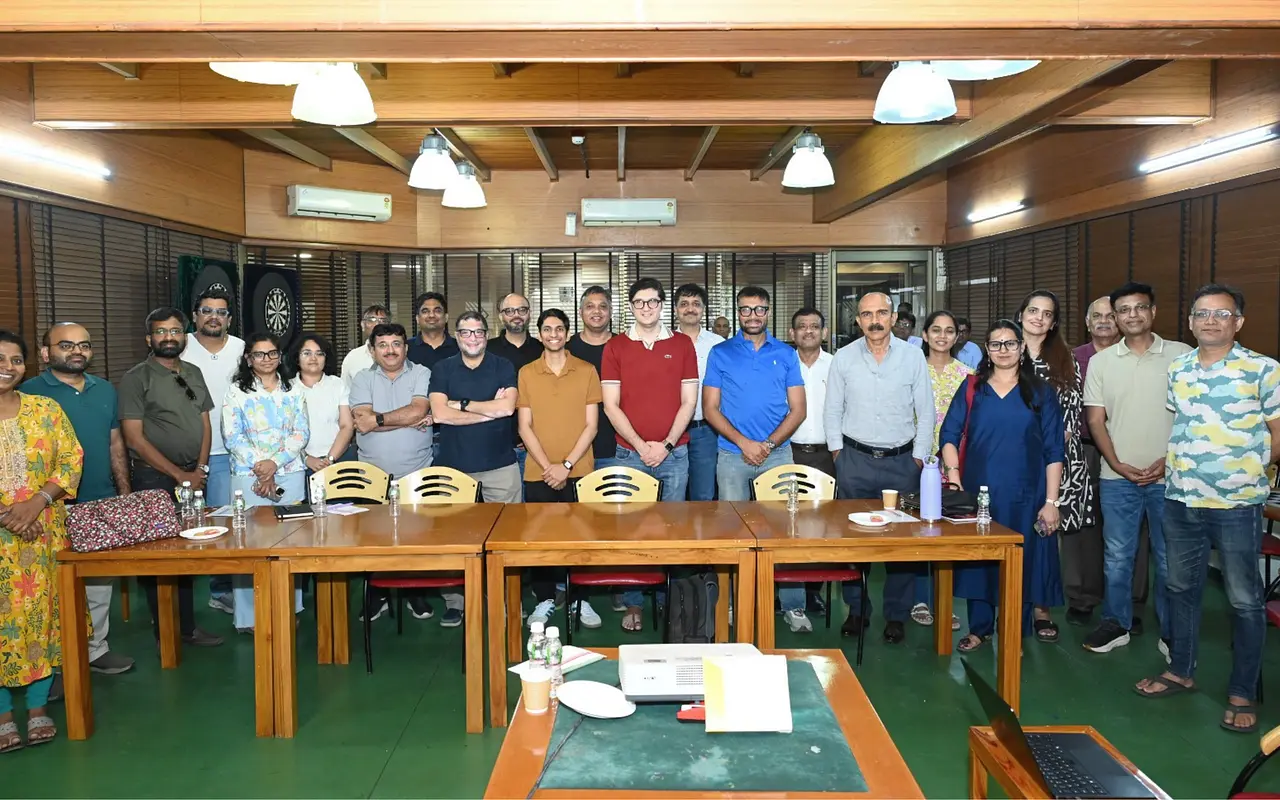
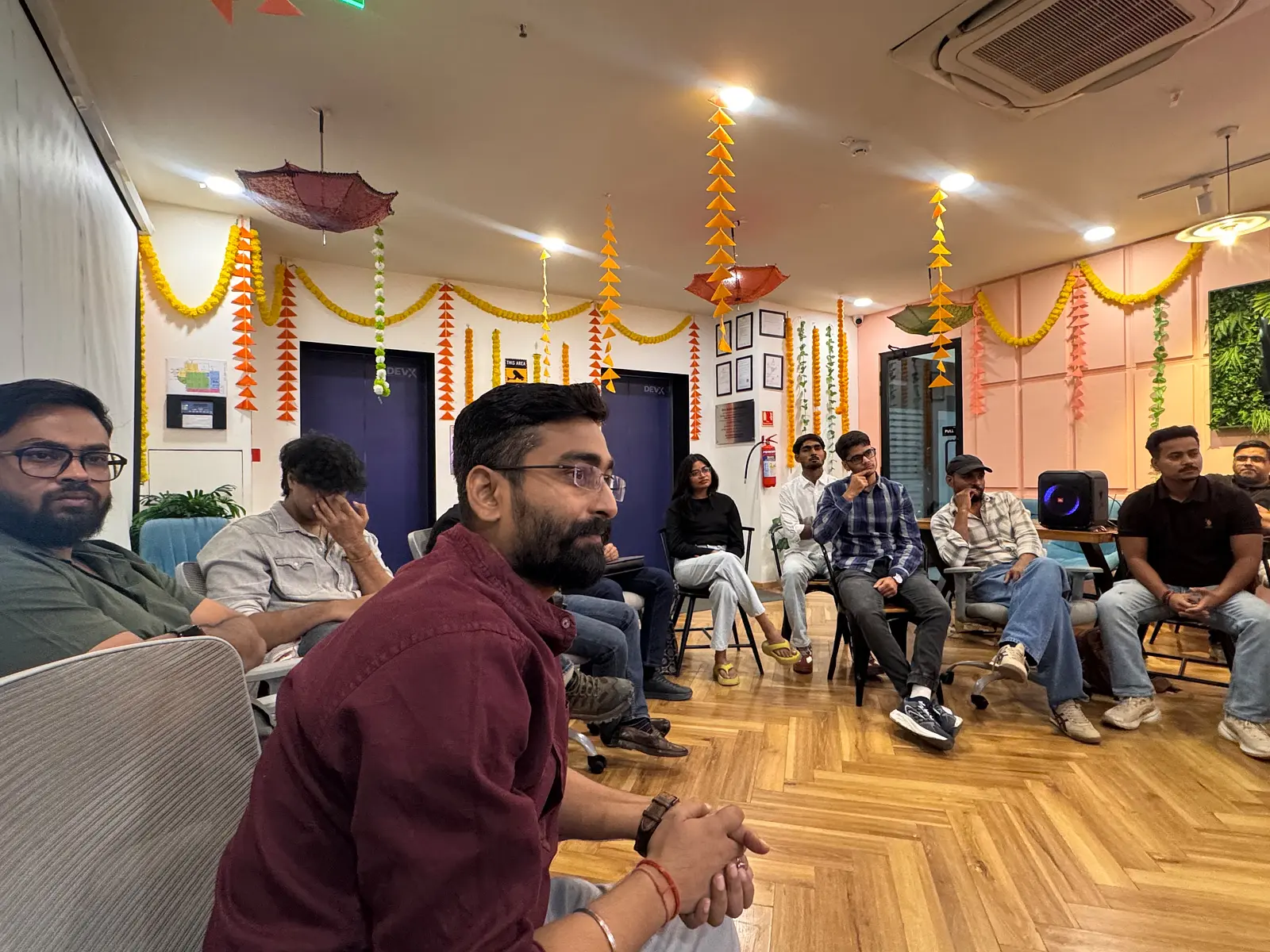
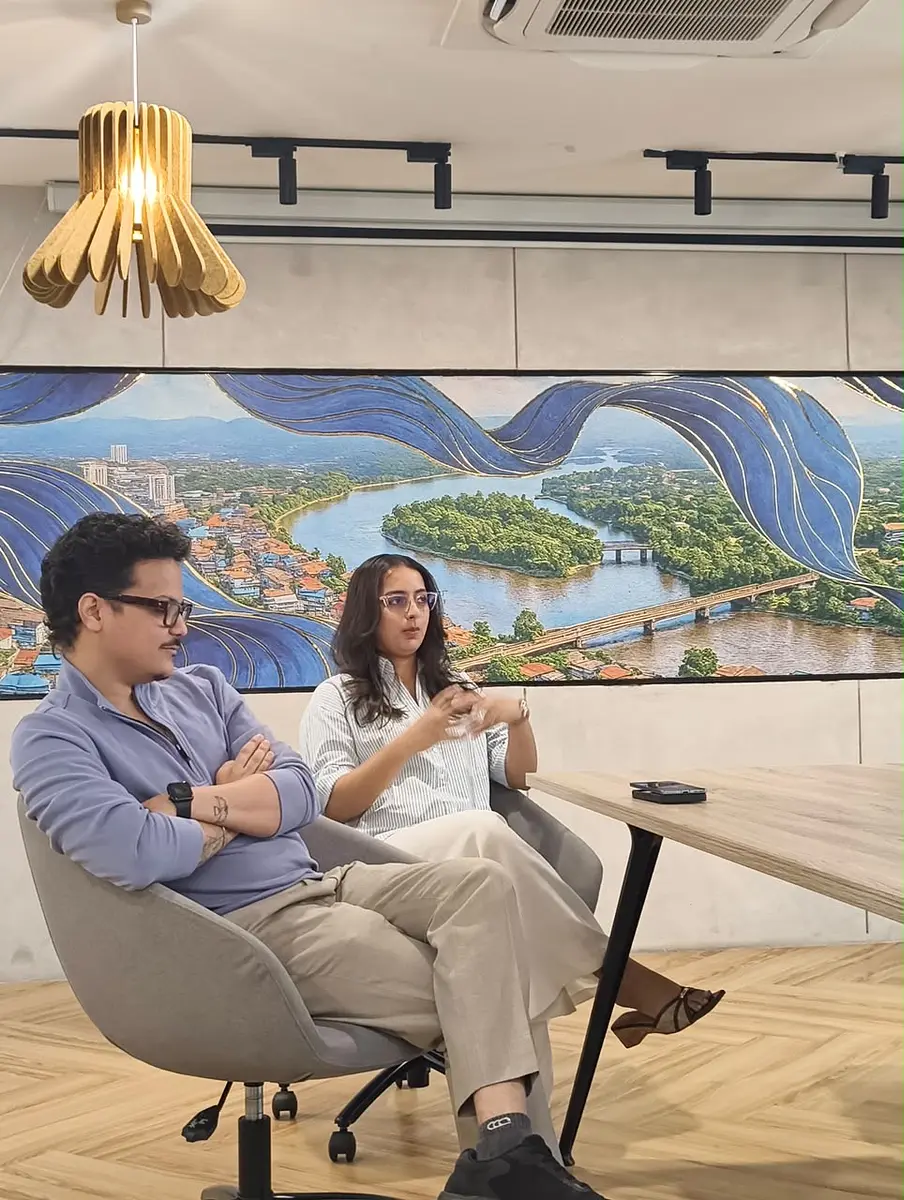
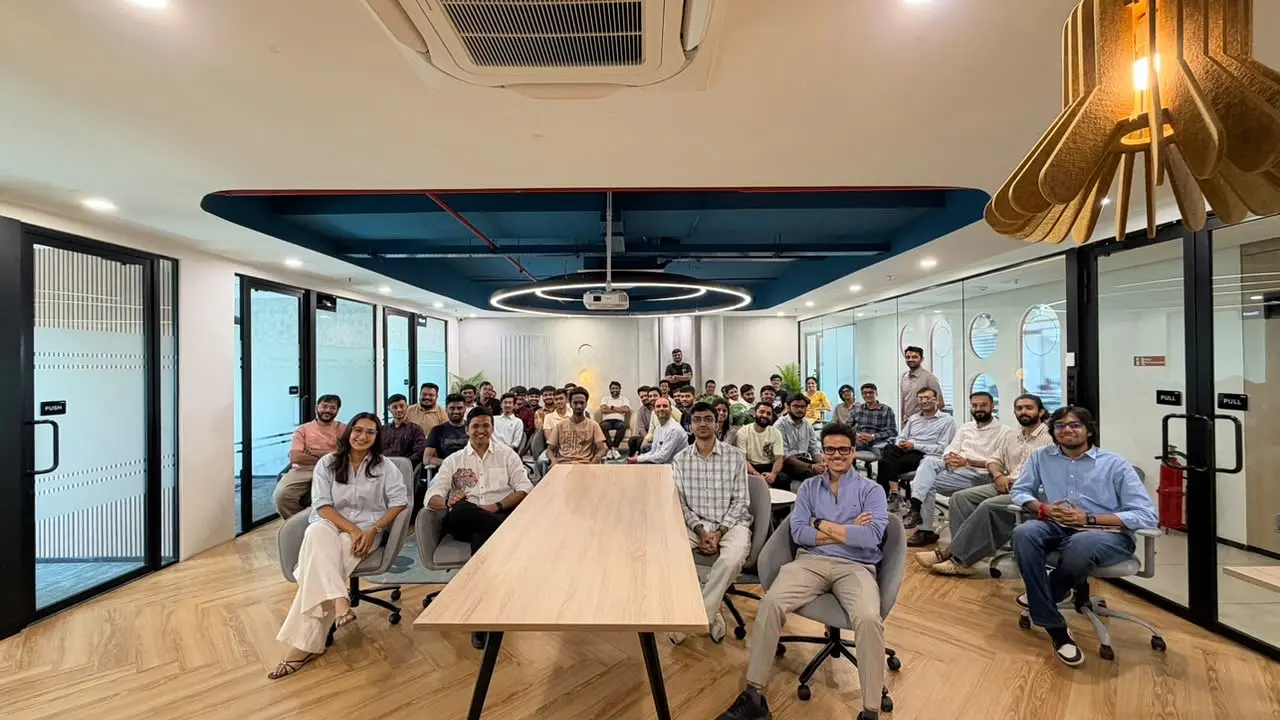
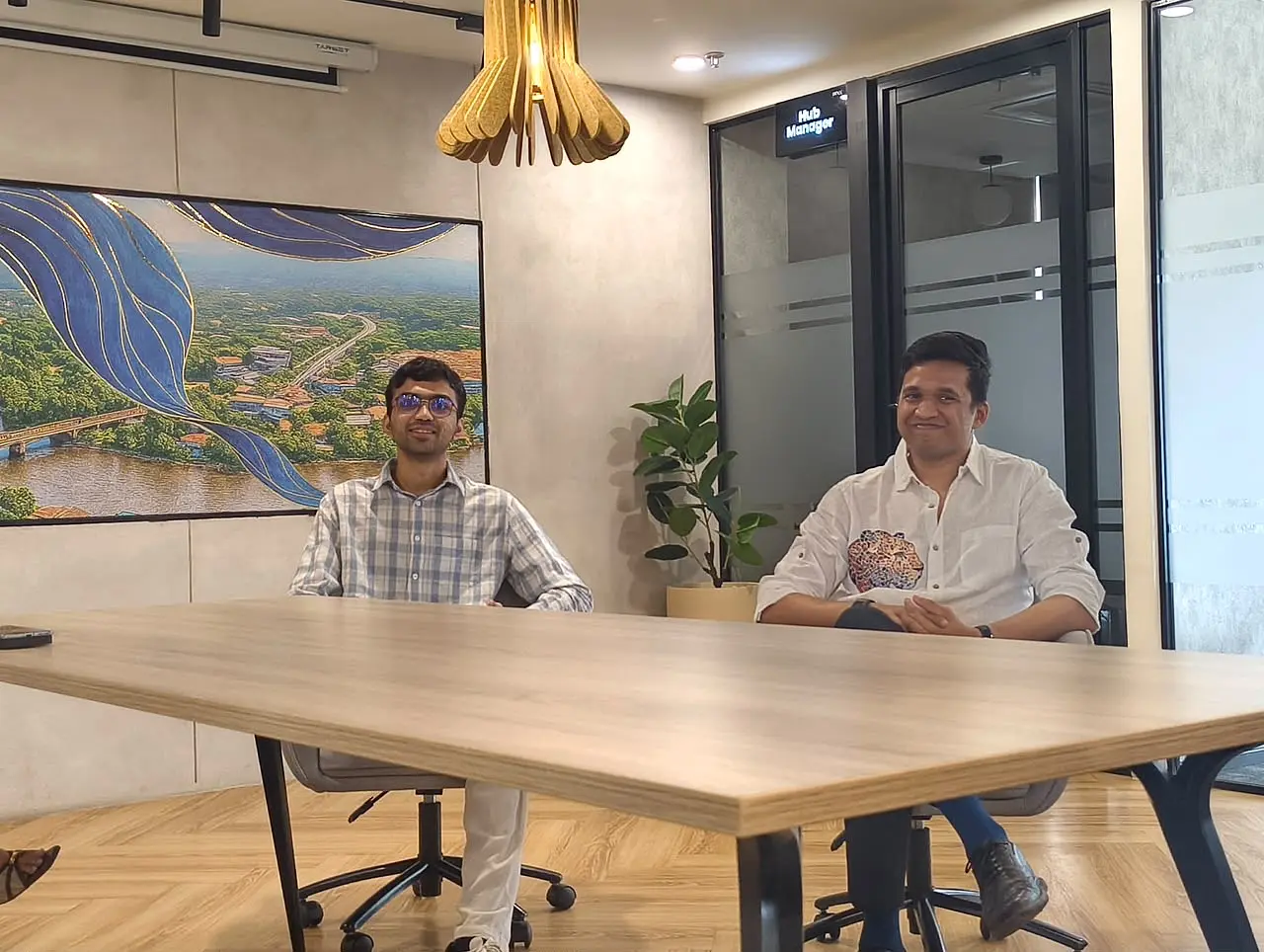
The one where eChai Partner Brand founders came together at Zestard HQ
The one where eChai teamed with WeWork to bring Hong Kong founders together
The one where founders from 20+ countries joined eChai at Draper University, San Francisco
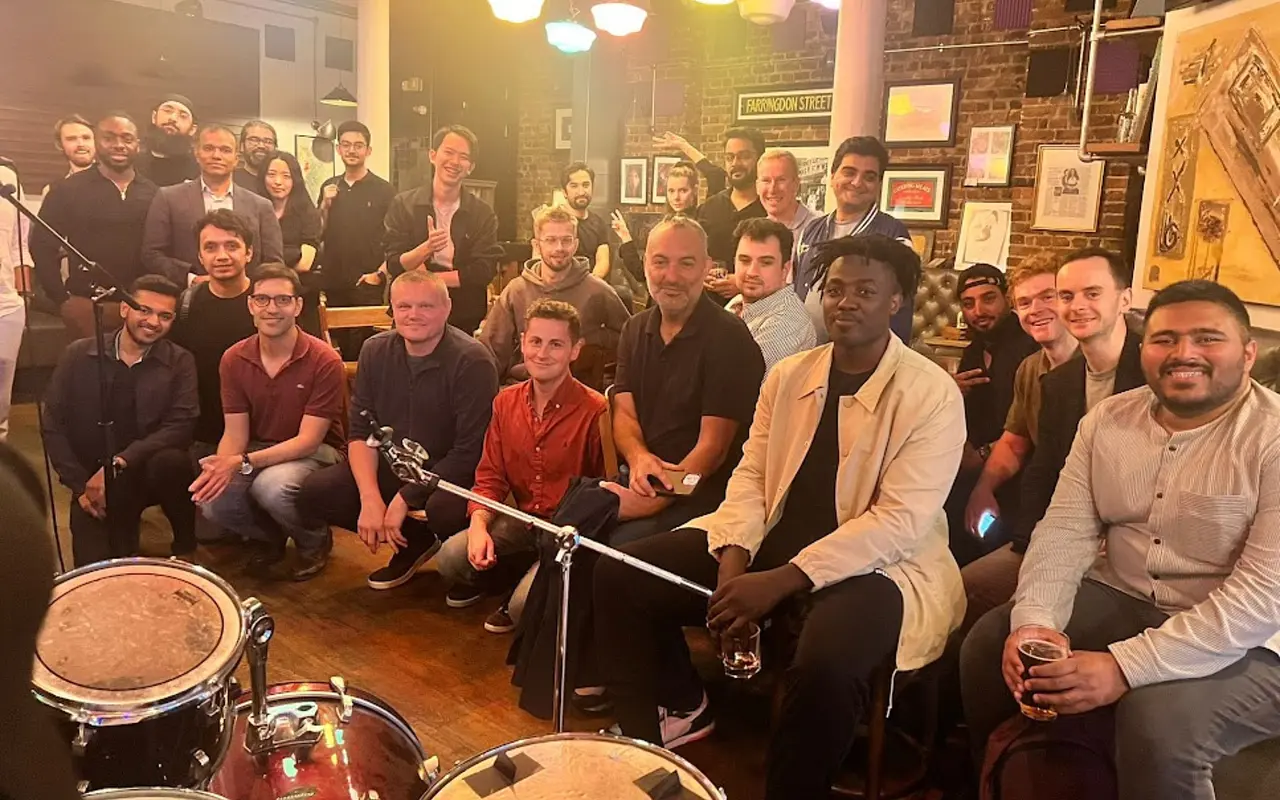
The one where London founders met for the eChai Mixer at Temple of Arts, London
The one where eChai turned Draper Startup House Singapore into a full house
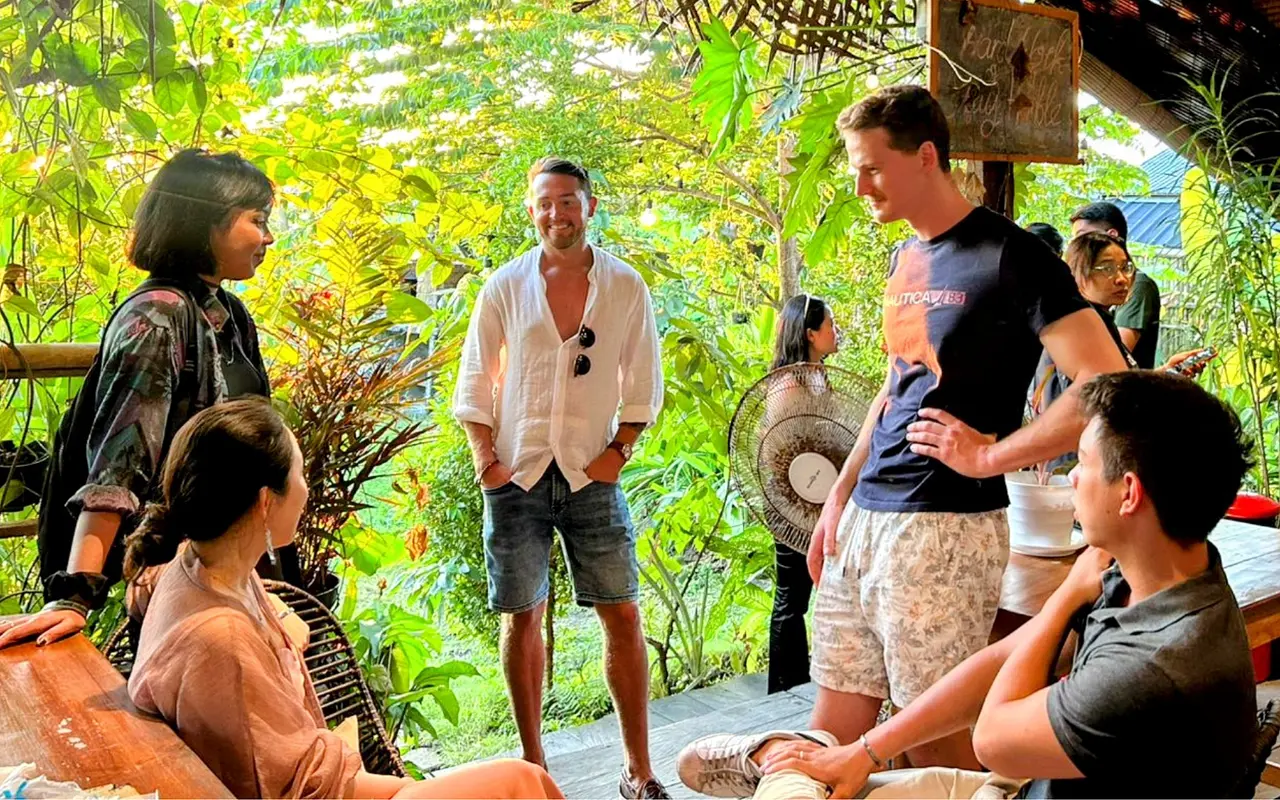
The one where eChai hosted a startup mixer for Bali's digital nomads at Draper Startup House
The one where eChai hosted founders and business leaders from Manila at Draper Startup House Manila
The one where eChai Toronto opened its doors with top founders at TBDC, Toronto
The one where eChai and City of Melbourne hosted global founders at The Couch
Where founders meet
eChai Ventures is a slow founder network. It is built by founders showing up at open meetups, demo days and dinners: every week they gather somewhere across 25+ cities in 10+ countries, and have been since 2009. Sometimes what you find here matters right away. More often it matters years later, when something changes, and something always does: hiring, raising, going global, pivoting, moving city, starting over.
See what is coming up at events across 25+ cities, and read what founders have figured out on Explore: Starting Up, GTM, D2C, Wealth, How Founders Use AI, and the Glossary. Founders also share what they are reading, watching and listening to: books, podcasts, the watchlist and startup videos.
Each year eChai works with a small number of select brands as their growth partner.
Joining is free: a photograph, your name and a way to reach you. Already on eChai? Sign in with the same email.
eChai is in 12 cities in the coming weeks
16 gatherings from 29 October to 12 November: 855 registrations from 828 founders. At 6 pm on Saturday 31 October, 8 of them start in 7 cities.
-
3 Ahmedabad
-
3 Bengaluru
-
1 Hyderabad
-
1 Delhi-NCR
-
1 Mumbai
-
1 Pune
-
1 Lucknow
-
1 Surat
-
1 Rajkot
-
1 Indore
-
1 Udaipur
-
1 New York
-
Thursday 29 October
-
6:30 pm GVFL AhmedabadeChai Startup Demo Day GVFL Ahmedabad

.jpg)


 116 going
Friday 30 October 2 gatherings
-
4 pm House of StartsAI Cafe House of Starts


 5 going
-
7 pm House of StartsWhat the DPDP Act Means for Startups and Businesses House of Starts

 9 going
Every gathering in Ahmedabad →Later in Ahmedabad
Friday 27 November
-
9:30 am Gujarat University Convention and Exhibition Centre · registration on techexpogujarat.comPartner event Tech Expo Gujarat 2026 Gujarat University Convention and Exhibition Centre · registration on techexpogujarat.com
-
-
Saturday 31 October 2 gatherings
-
6 pm Founder Startup House KoramangalaeChai Startup Demo Day in Bengaluru : Koramangala Edition Founder Startup House Koramangala


 73 going
-
6 pm Urban Vault 477 HSR LayouteChai Startup Demo Day in Bengaluru : HSR Edition Urban Vault 477 HSR Layout


.jpg) 45 going
45 going
Sunday 1 November
-
11 am Founder Startup House KoramangalaeChai's Startup Open House Founder Startup House Koramangala
 3 going
Every gathering in Bengaluru →Later in Bengaluru
Nothing else is booked in Bengaluru yet.
-
-
Saturday 31 October
-
6 pm CoKarma Durgam CheruvueChai Startup Demo Day CoKarma Durgam Cheruvu


 194 going
Every gathering in Hyderabad →Later in Hyderabad
Nothing else is booked in Hyderabad yet.
-
-
Saturday 31 October
-
11 am DevX NoidaeChai Startup Demo Day DevX Noida


 112 going
Every gathering in Delhi-NCR →Later in Delhi-NCR
Nothing else is booked in Delhi-NCR yet.
-
-
Saturday 31 October
-
11 am DevX DynastyeChai Startup Demo Day DevX Dynasty


 90 going
Every gathering in Mumbai →Later in Mumbai
Nothing else is booked in Mumbai yet.
-
-
Saturday 31 October
-
4 pm Ideas To Impacts BanereChai Startup Demo Day Ideas To Impacts Baner


 57 going
Every gathering in Pune →Later in Pune
Nothing else is booked in Pune yet.
-
-
Saturday 31 October
-
6 pm


 48 going
Every gathering in Lucknow →Later in Lucknow
Nothing else is booked in Lucknow yet.
-
-
Saturday 31 October
-
6 pm Yanolja Cloud SolutioneChai Startup Demo Day Yanolja Cloud Solution


 39 going
Every gathering in Surat →Later in Surat
Nothing else is booked in Surat yet.
-
-
Saturday 31 October
-
6 pm DevX Nana MavaeChai Startup Demo Day DevX Nana Mava


%20(1).jpg)
 34 going
Every gathering in Rajkot →Later in Rajkot
Nothing else is booked in Rajkot yet.
-
-
Saturday 31 October
-
6 pm DevX Vijay NagareChai Startup Demo Day DevX Vijay Nagar


 18 going
Every gathering in Indore →Later in Indore
Nothing else is booked in Indore yet.
-
-
Saturday 31 October
-
6 pm DevX Paras PrimeeChai Startup Demo Day DevX Paras Prime


 8 going
Every gathering in Udaipur →Later in Udaipur
Nothing else is booked in Udaipur yet.
-
-
Thursday 12 November
-
6:30 pm Mr. PurpleeChai New York Startup Mixer Mr. Purple

 4 going
Every gathering in New York →Later in New York
Nothing else is booked in New York yet.
-












This week
15 gatherings in 11 cities
Thursday 29 October
-
Ahmedabad 6:30 pm - 8:30 pmeChai Startup Demo Day GVFL Ahmedabad
116 going
Friday 30 October 2 gatherings in Ahmedabad
-
Ahmedabad 4 pm - 7 pmAI Cafe House of Starts
5 going
-
Ahmedabad 7 pm - 8:30 pmWhat the DPDP Act Means for Startups and Businesses House of Starts
9 going
Saturday 31 October 11 gatherings in 10 cities
11 am 2 gatherings in 2 cities
-
Delhi-NCR 11 am - 1 pmeChai Startup Demo Day DevX Noida
112 going
-
Mumbai 11 am - 1 pmeChai Startup Demo Day DevX Dynasty
90 going
4 pm
-
Pune 4 pm - 6 pmeChai Startup Demo Day Ideas To Impacts Baner
57 going
6 pm 8 gatherings in 7 cities
-
Hyderabad 6 pm - 8 pmeChai Startup Demo Day CoKarma Durgam Cheruvu
194 going
-
Bengaluru 6 pm - 8 pmeChai Startup Demo Day in Bengaluru : Koramangala Edition Founder Startup House Koramangala
73 going
-
Lucknow 6 pm - 8 pm
48 going
-
Bengaluru 6 pm - 8 pmeChai Startup Demo Day in Bengaluru : HSR Edition Urban Vault 477 HSR Layout
45 going
-
Surat 6 pm - 8 pmeChai Startup Demo Day Yanolja Cloud Solution
39 going
-
Rajkot 6 pm - 8 pmeChai Startup Demo Day DevX Nana Mava
34 going
-
Indore 6 pm - 8 pmeChai Startup Demo Day DevX Vijay Nagar
18 going
-
Udaipur 6 pm - 8 pmeChai Startup Demo Day DevX Paras Prime
8 going
Sunday 1 November
-
Bengaluru 11 am - 1 pmeChai's Startup Open House Founder Startup House Koramangala
3 going
November 2026
1 gathering in New York
Thursday 12 November
-
New York 6:30 pm - 8:30 pm ESTeChai New York Startup Mixer Mr. Purple
4 going
Every city's gatherings, this week and after, are on Events, and every city eChai is in has its page on Cities.
Sunday 25 October 2 gatherings in 2 cities
11 am
-
Bengaluru 11 am - 1 pmeChai's Startup Open House Founder Startup House Koramangala


 36 RSVPs
-
Hyderabad 11 am - 1 pmeChai's Startup Open House DraperU India


 25 RSVPs
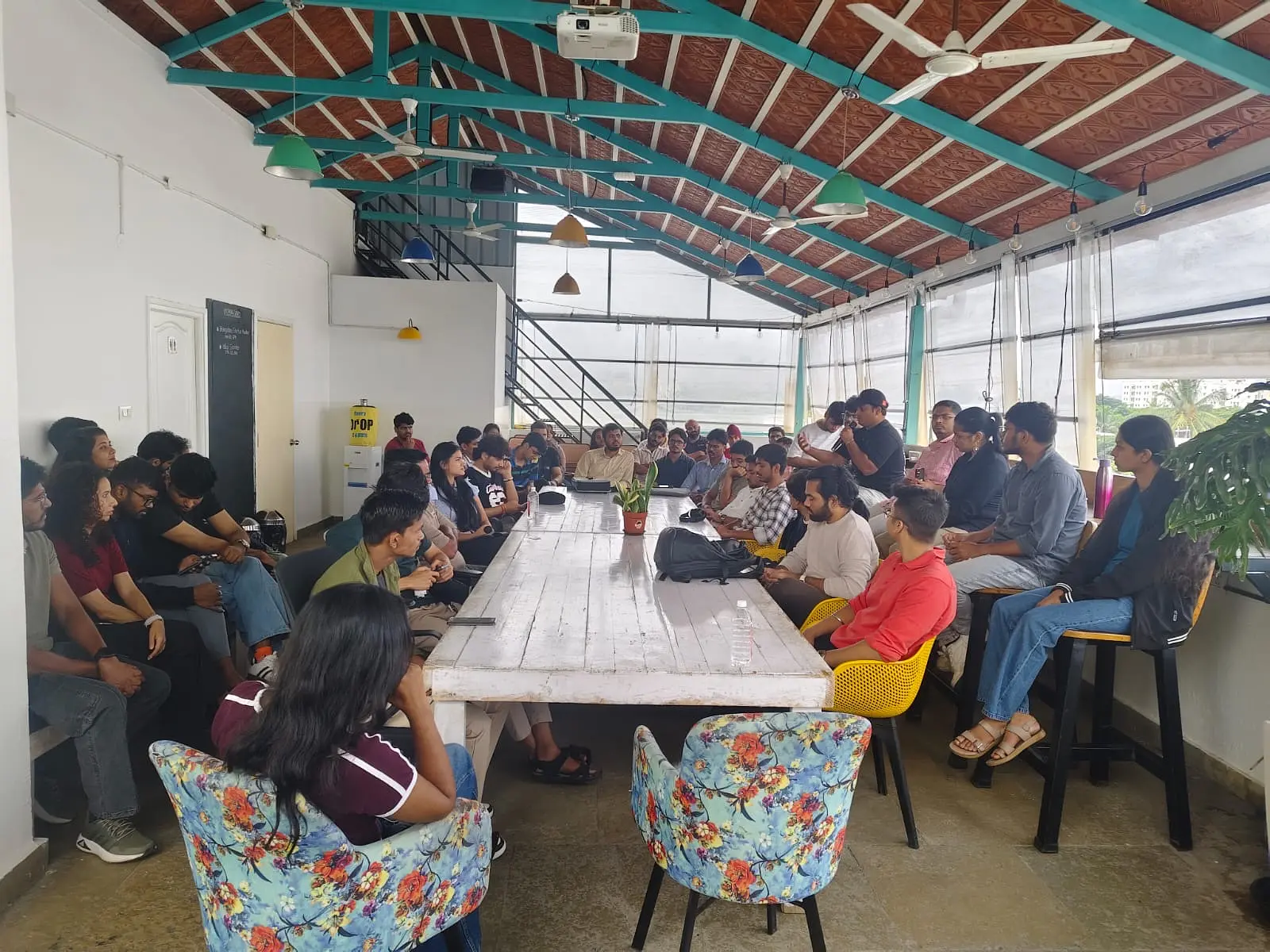
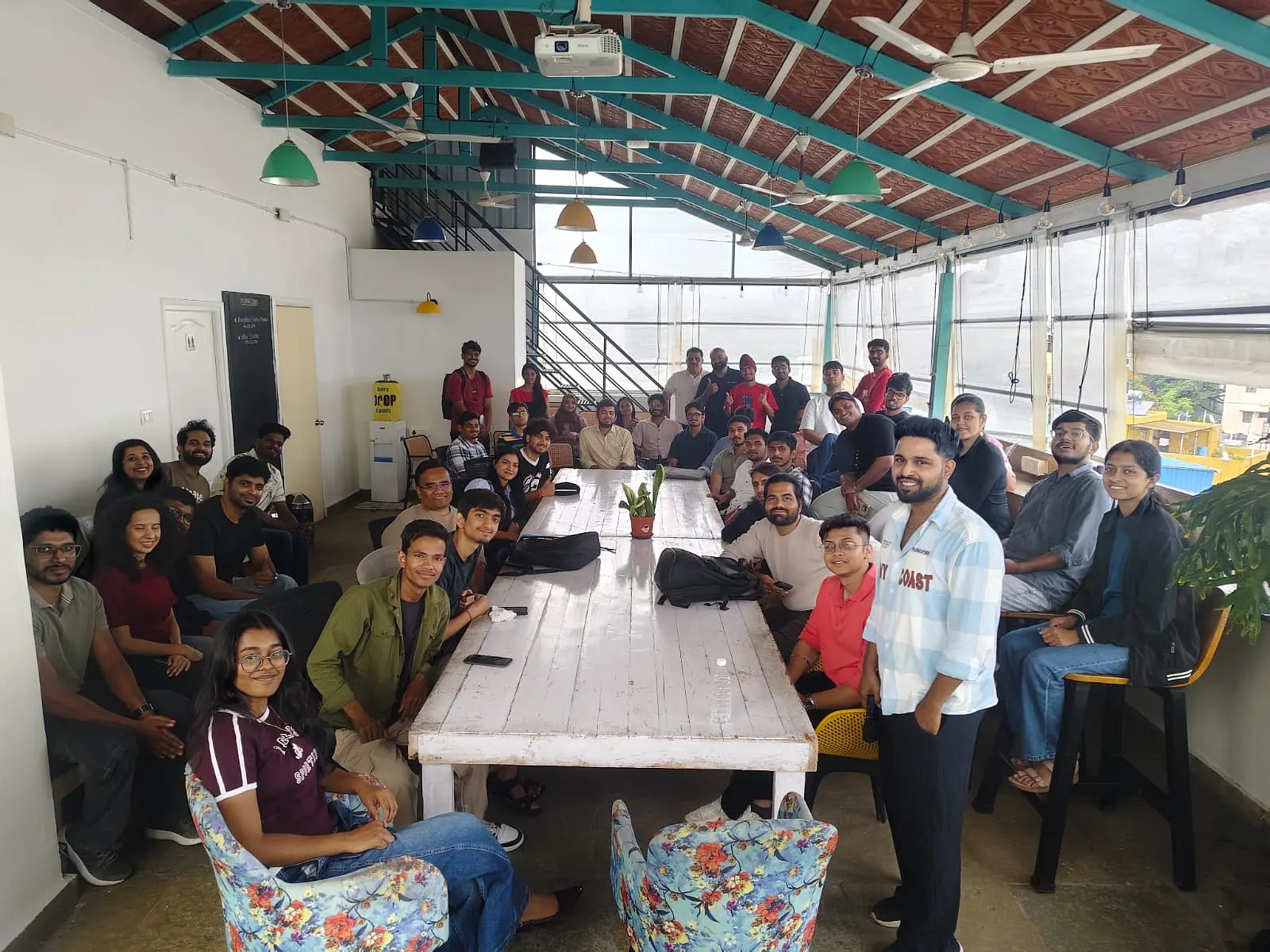
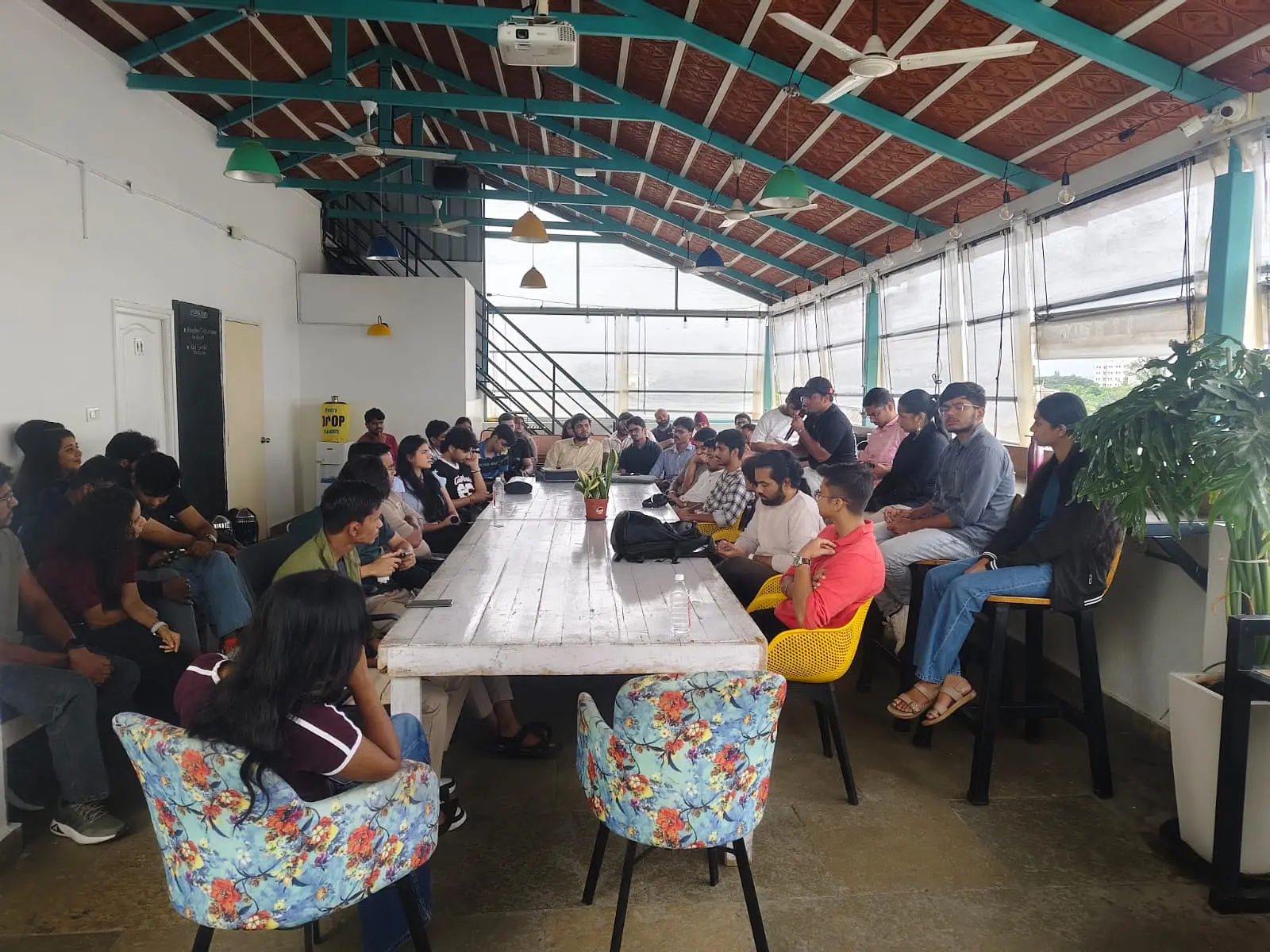
Saturday 24 October 7 gatherings in 6 cities
11 am 4 gatherings started in 4 cities
-
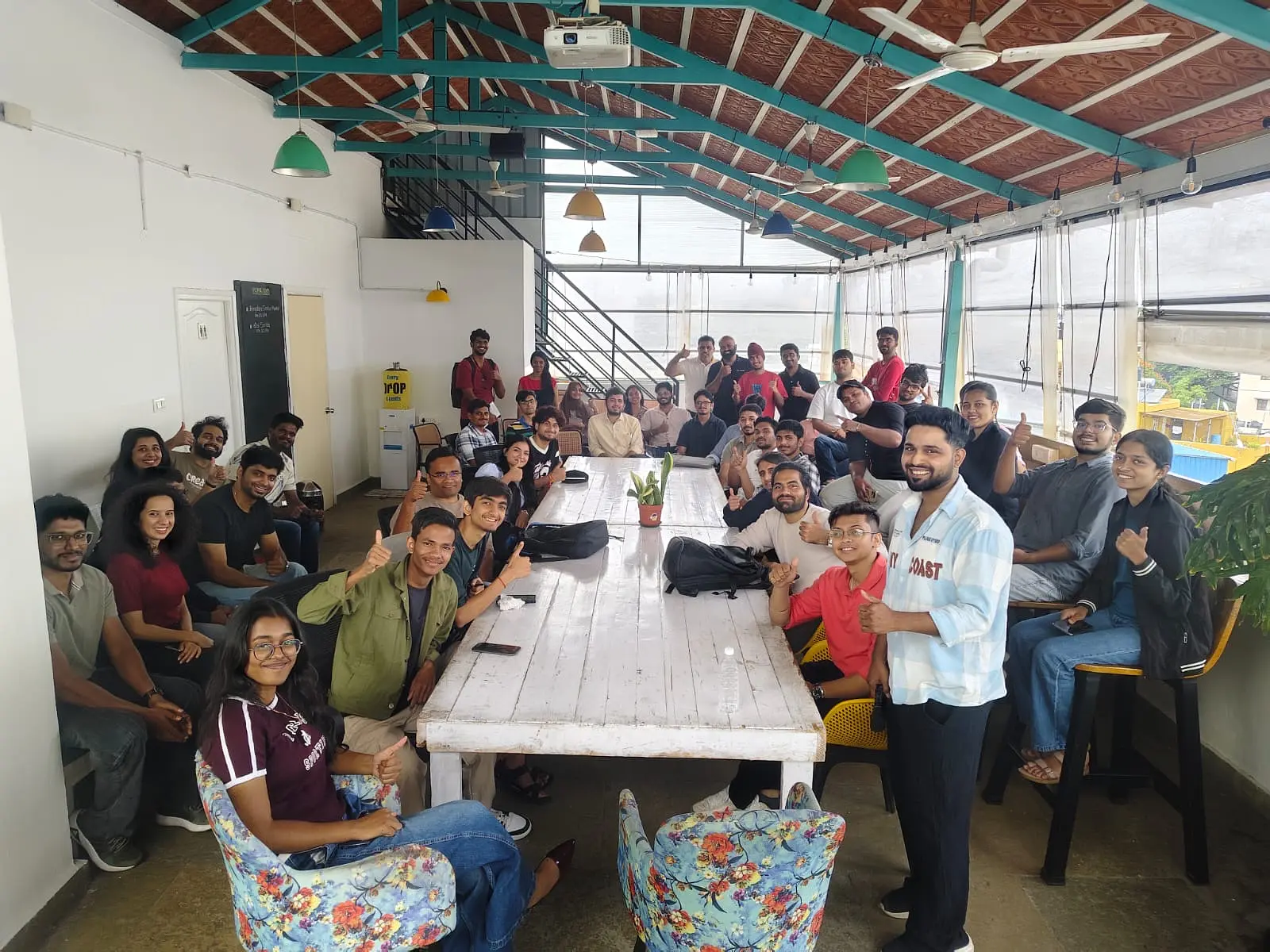
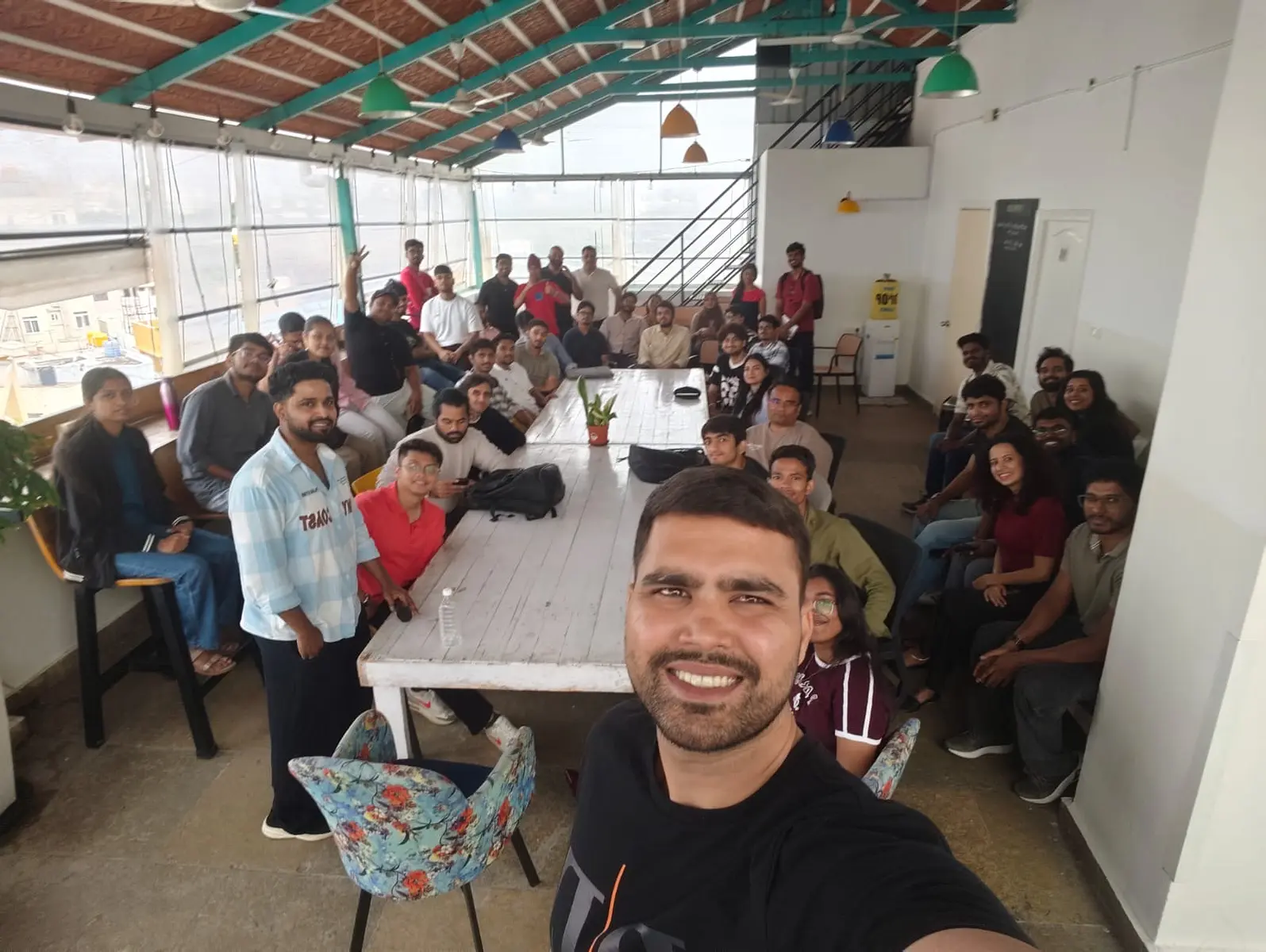
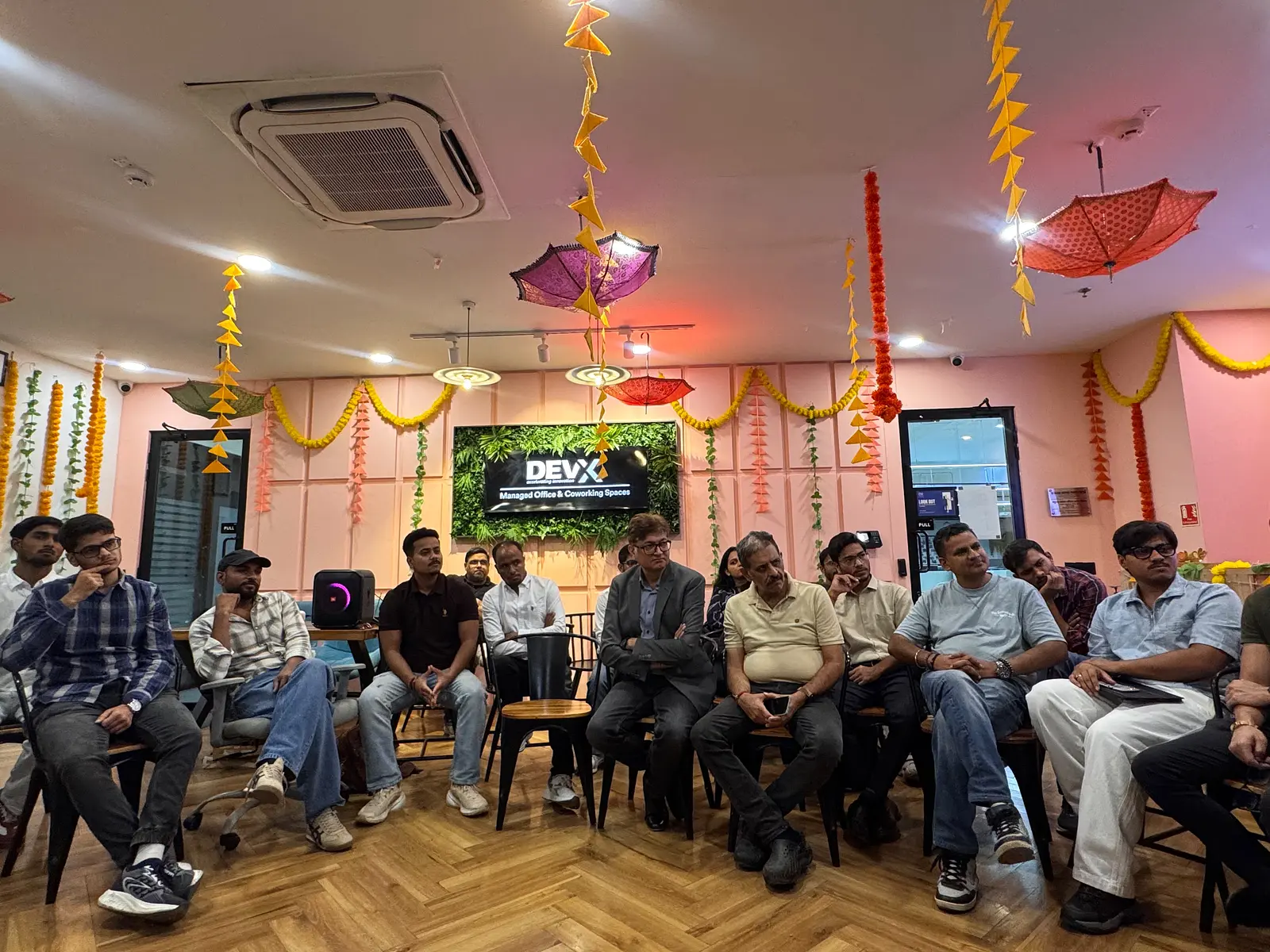
Delhi-NCR 11 am - 1 pmNoida Startup Meetup DevX Noida


 61 RSVPs
-
Surat 11 am - 1 pmMarketing for Startups DevX Piplod


 46 RSVPs
-
Mumbai 11 am - 1 pmProduct Growth Meetup DevX Dynasty


 24 RSVPs
-
Pune 11 am - 1 pm


 7 RSVPs

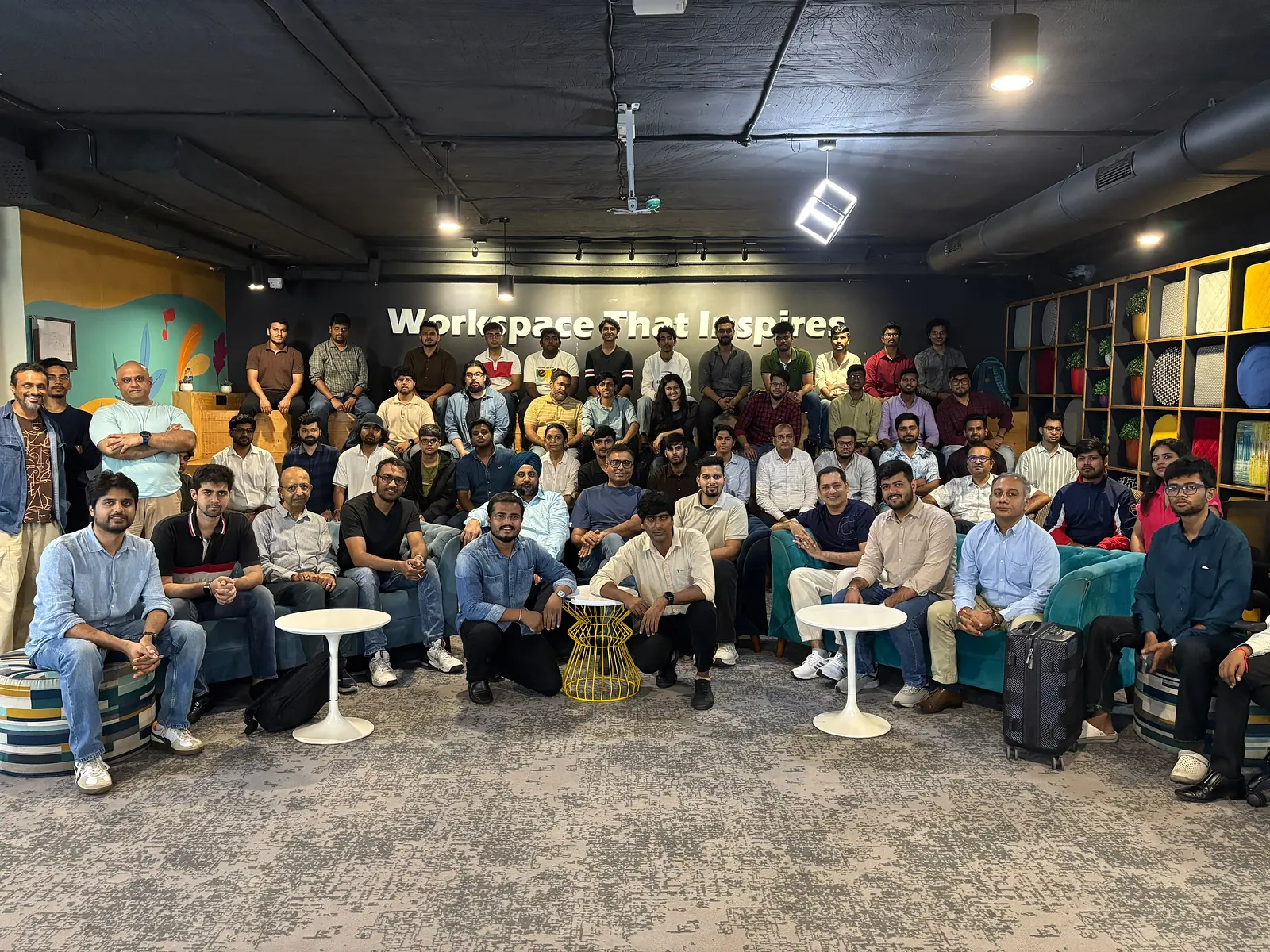
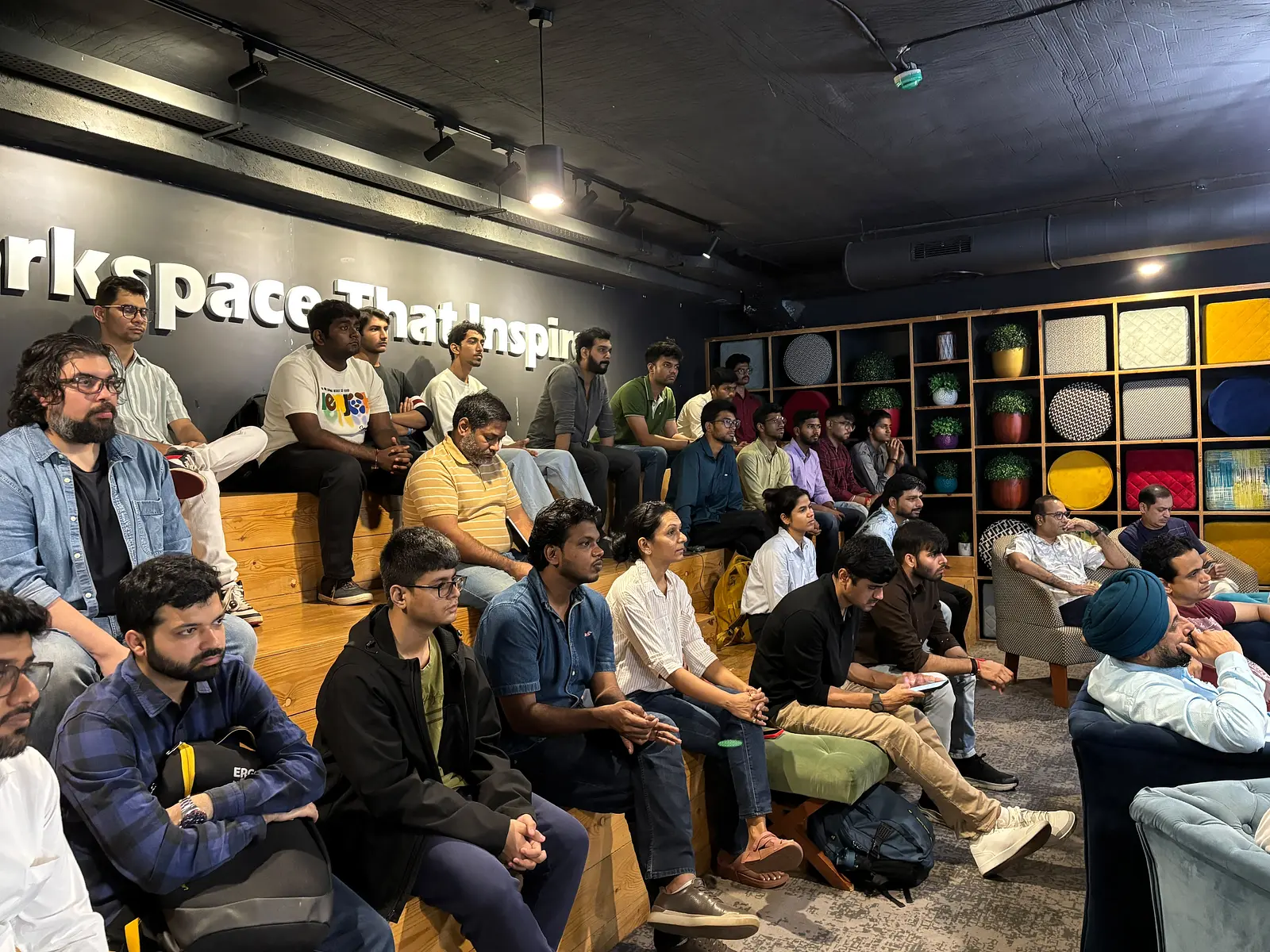
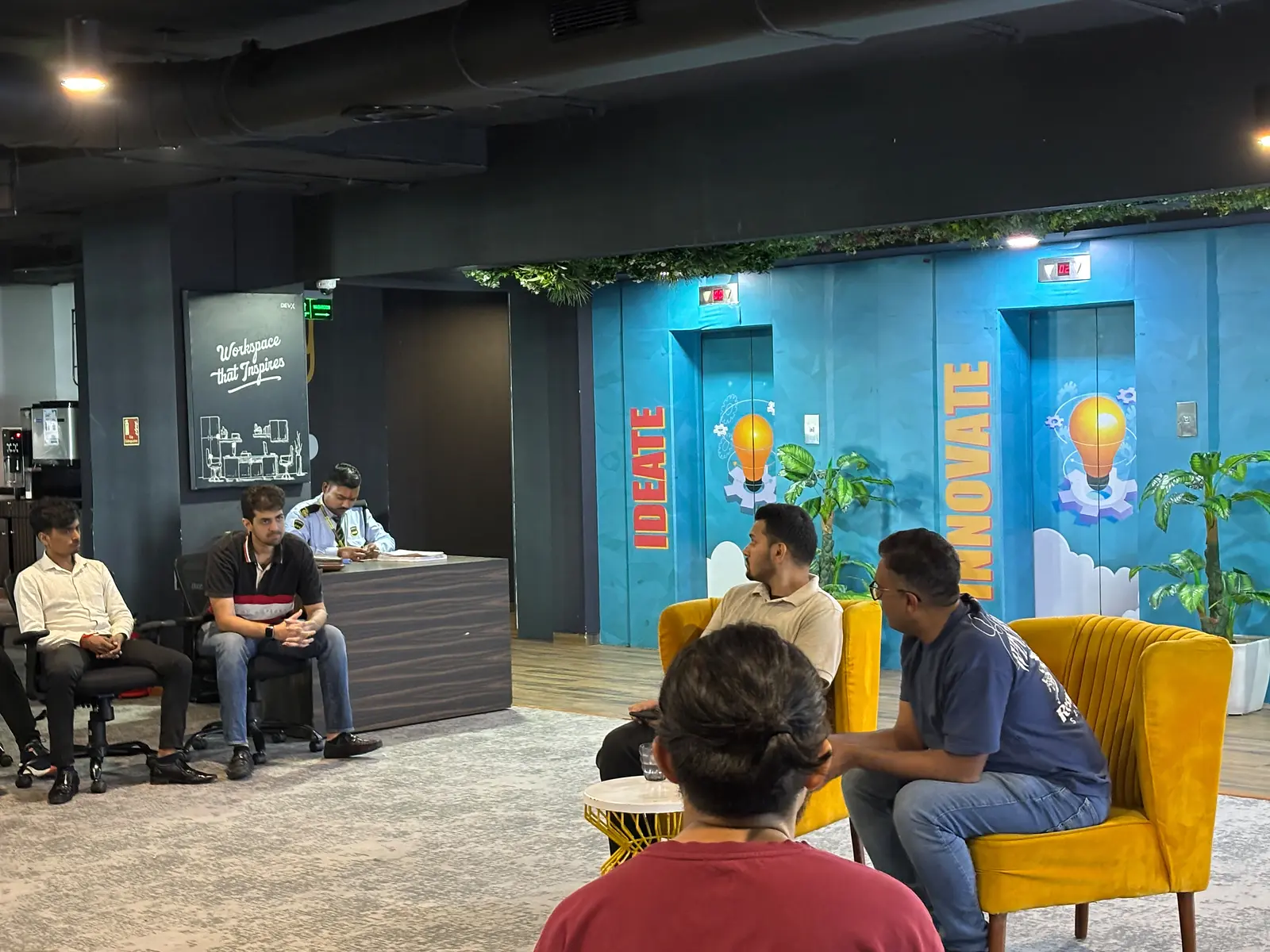
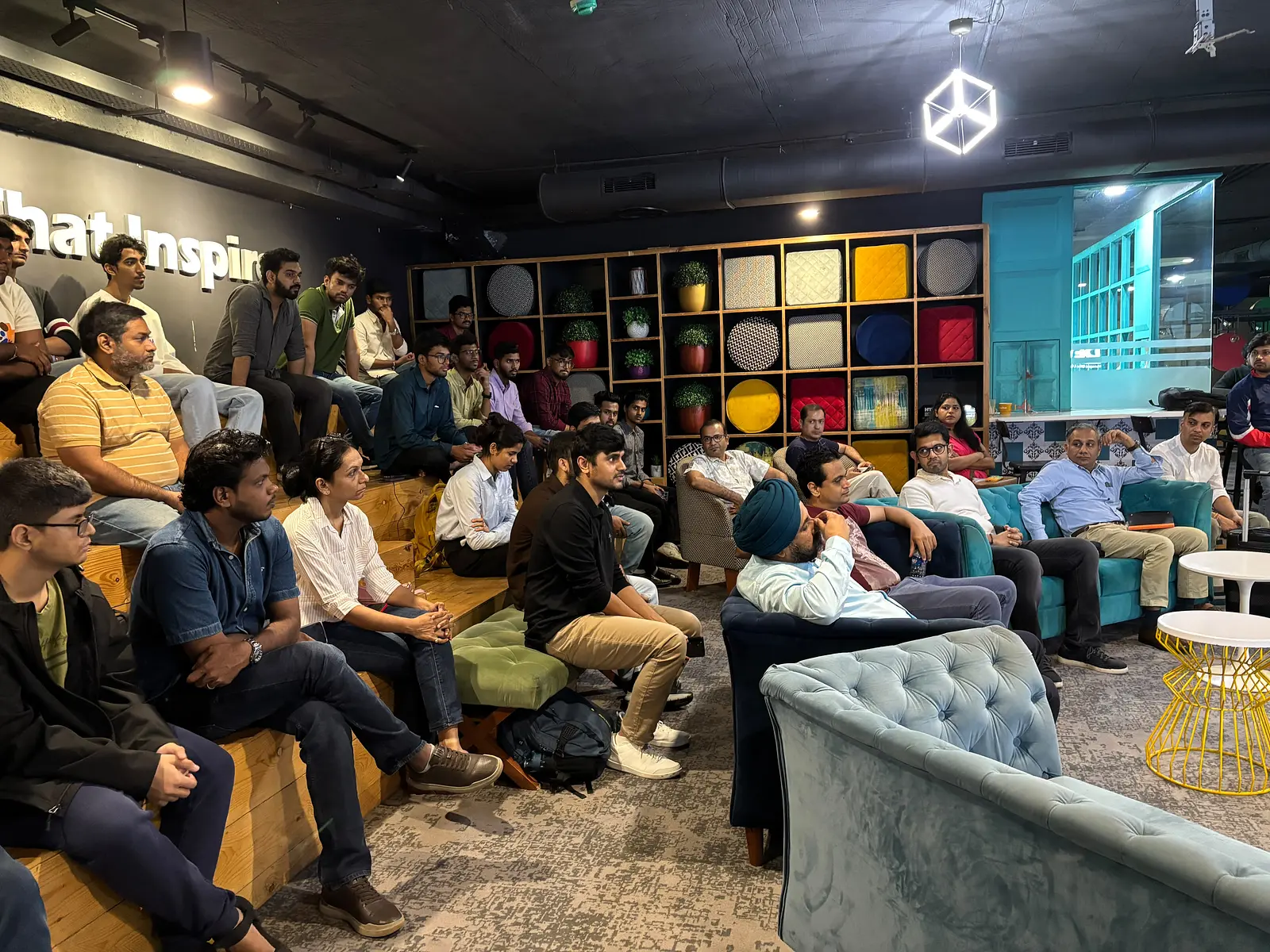
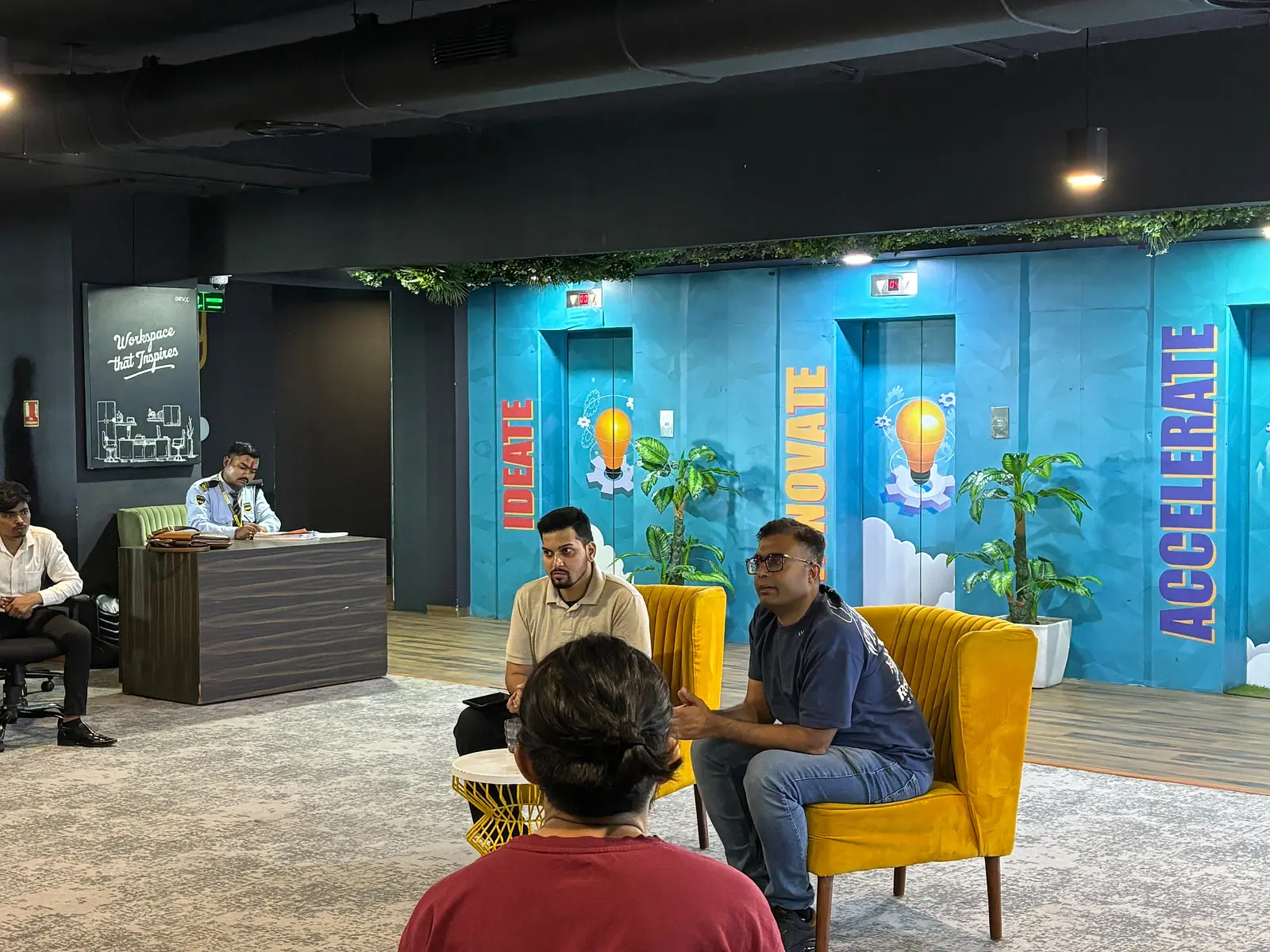
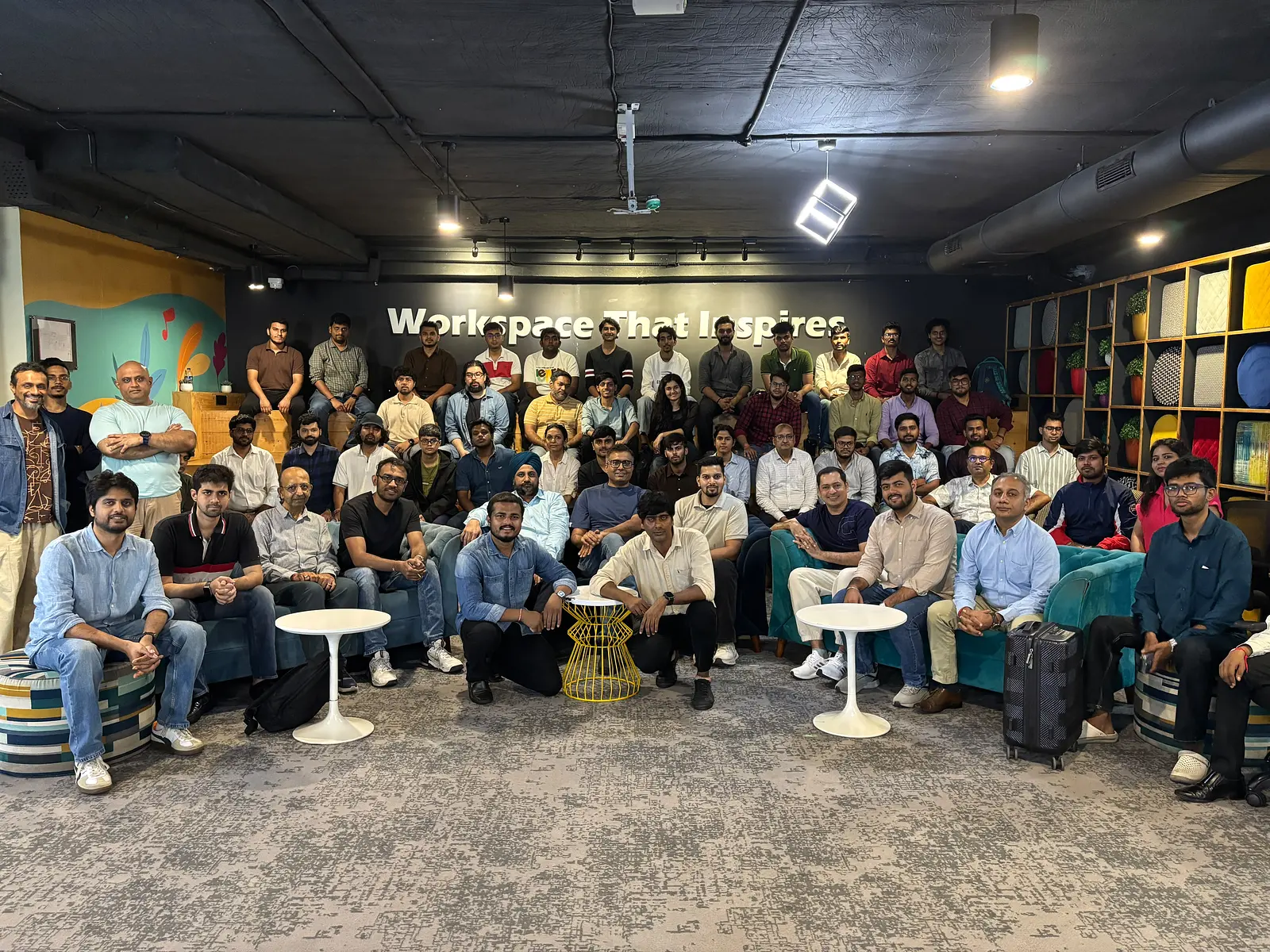
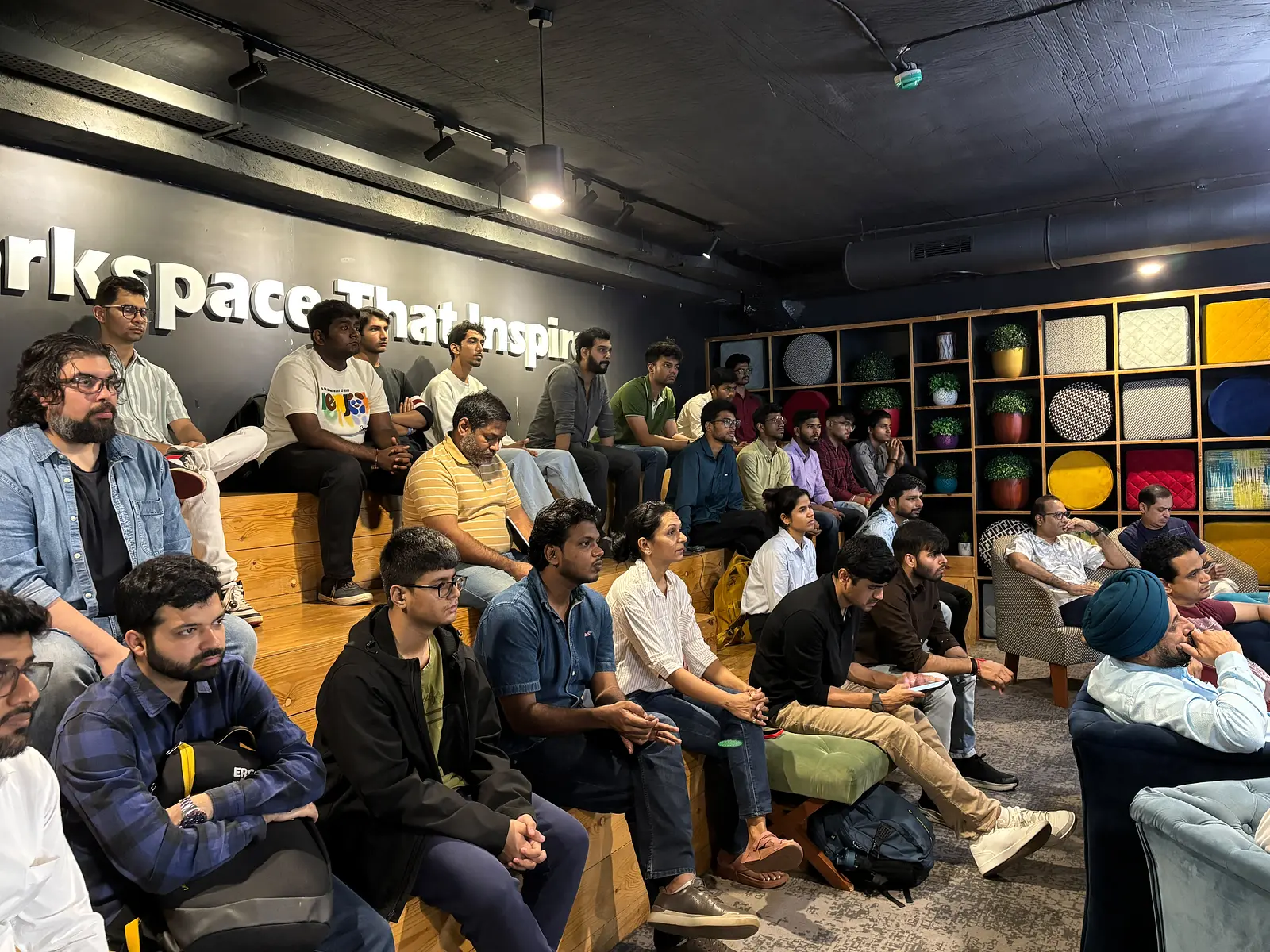
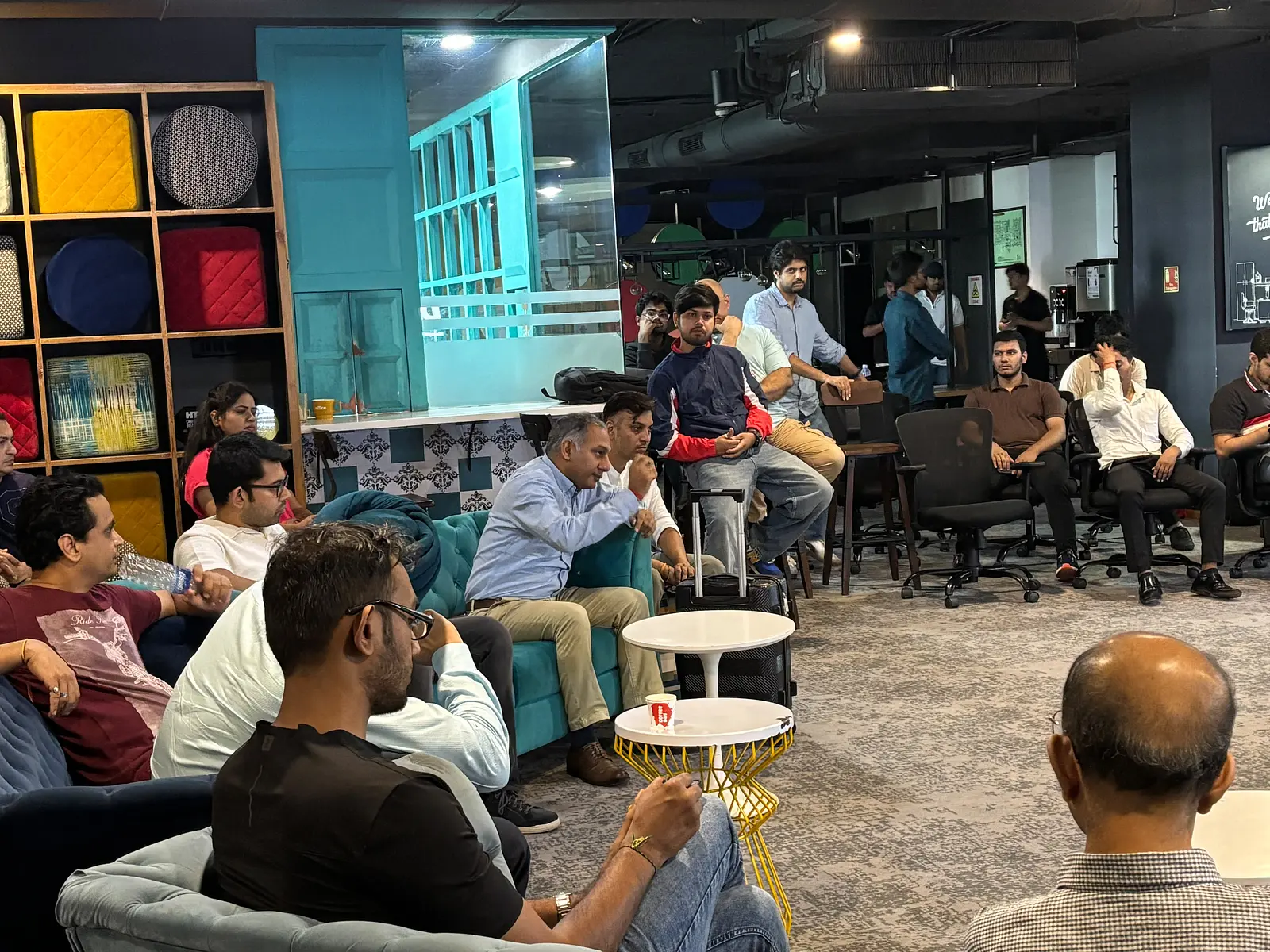
3 pm
-
Nagpur 3 pm - 5 pmeChai Startup Demo Day Mauji - The Time Cafe


 20 RSVPs
4 pm
-
Pune 4 pm - 6 pmSales & GTM Strategies for Startup Meetup Ideas To Impacts Baner


 29 RSVPs
6 pm
-
Bengaluru 6 pm - 8 pmBengaluru Startup Meetup Founder Startup House Koramangala

 76 RSVPs
Friday 23 October
-
Ahmedabad 4 pm - 7 pmAI Cafe House of Starts

 46 RSVPs
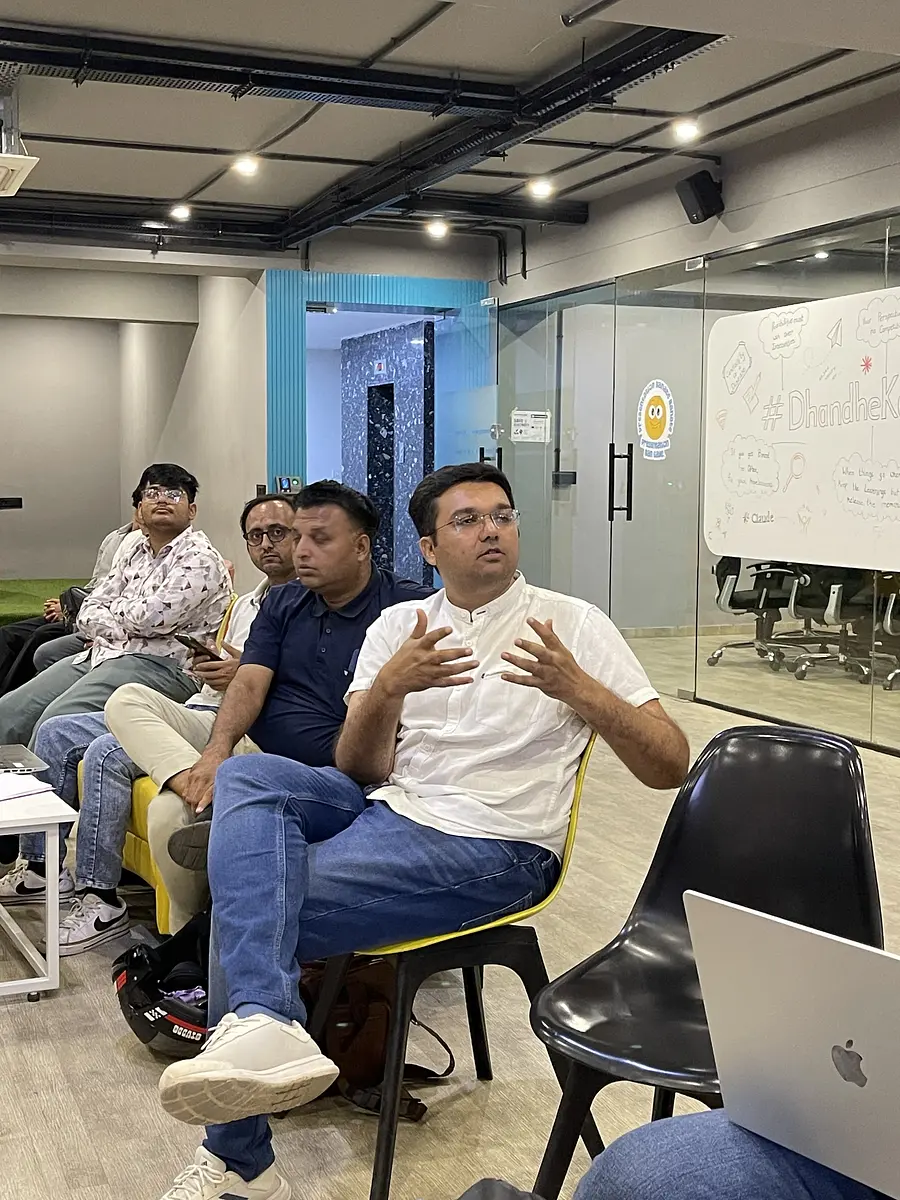
Thursday 22 October 2 gatherings in 2 cities
-
San Francisco 5 pm - 7 pm PDTeChai Bay Area: AI GTM Mixer for Founders and Operators Verve Coffee Roasters Palo Alto


 8 RSVPs
-
Ahmedabad 6:30 pm - 8:30 pmAhmedabad Startup Meetup GVFL Ahmedabad
.jpg)


 54 RSVPs
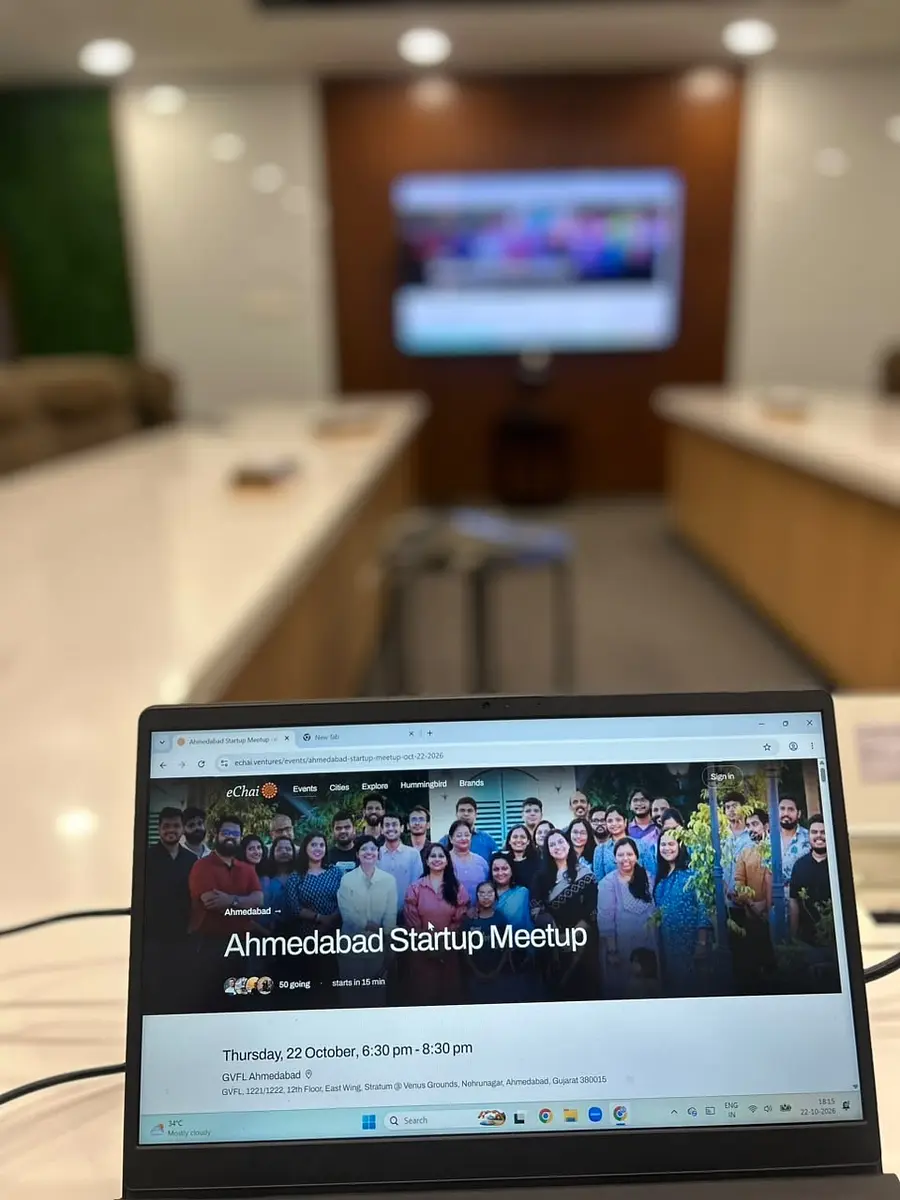
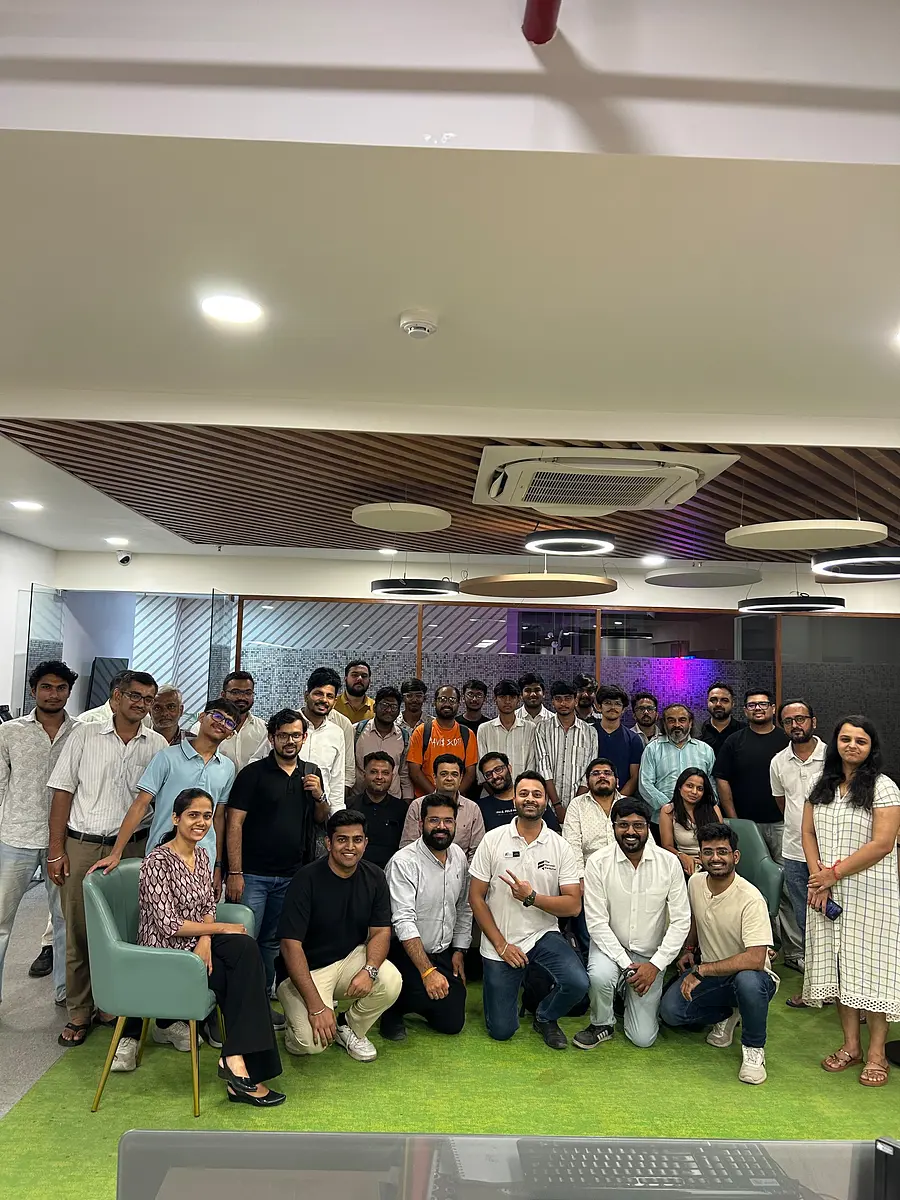
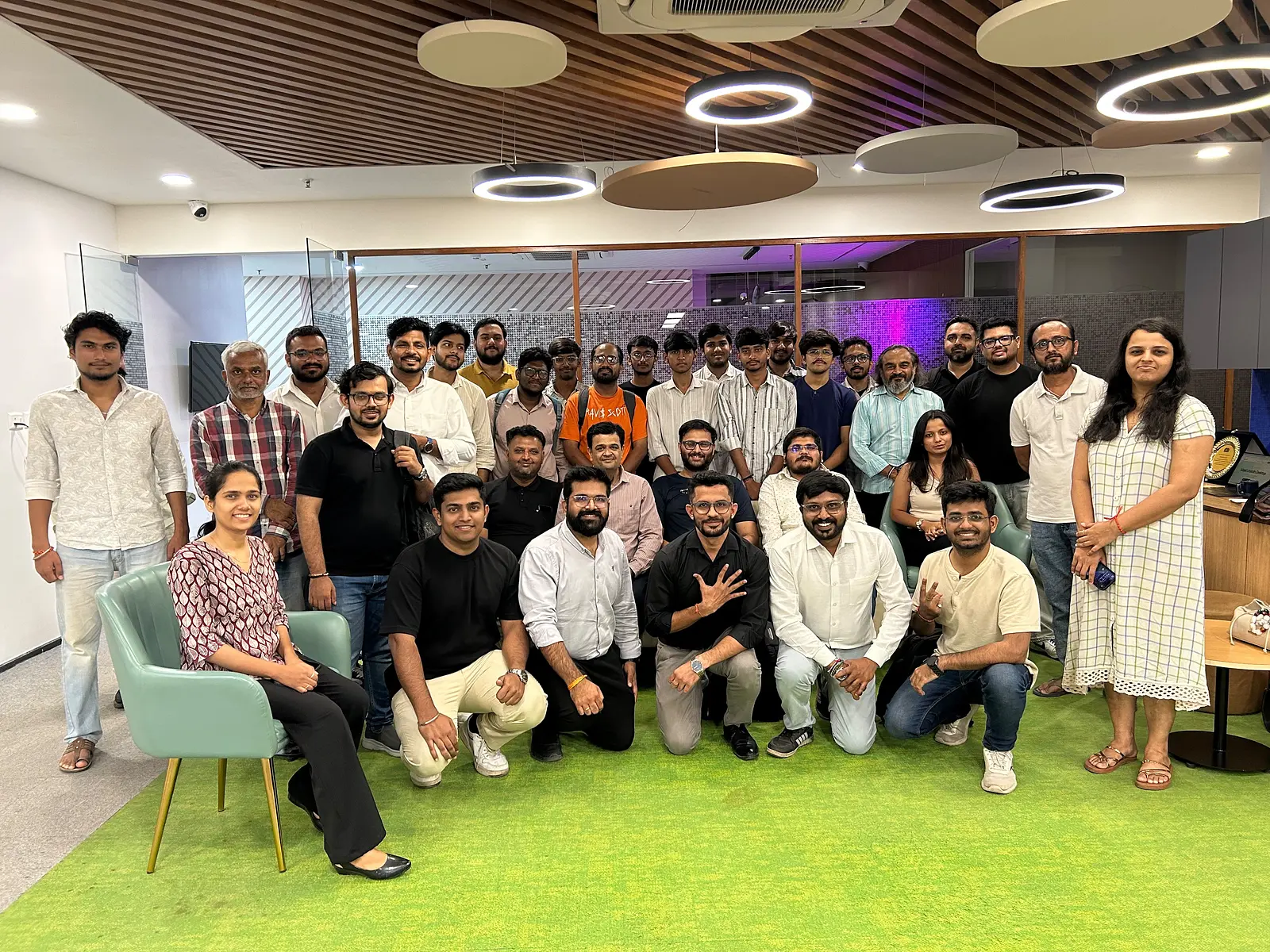
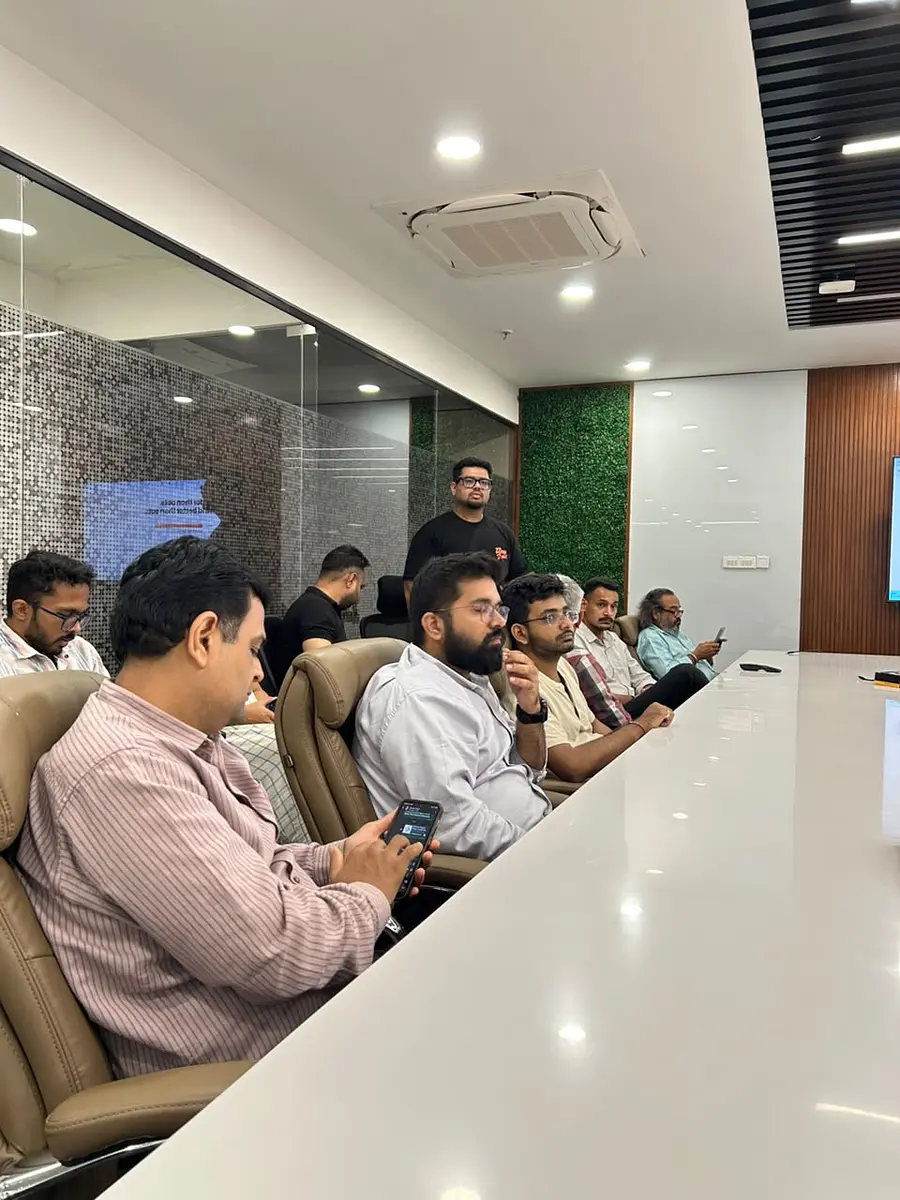
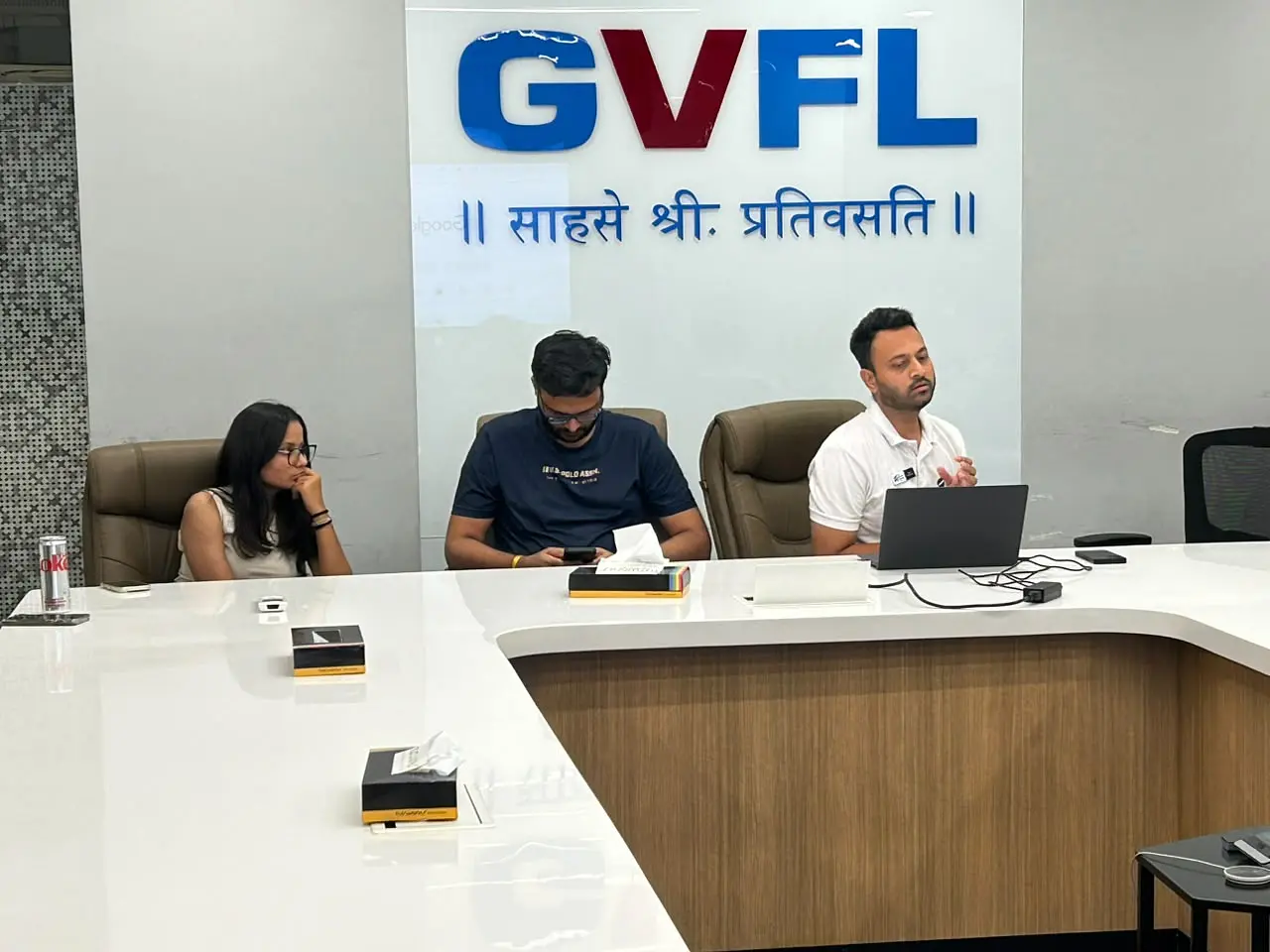
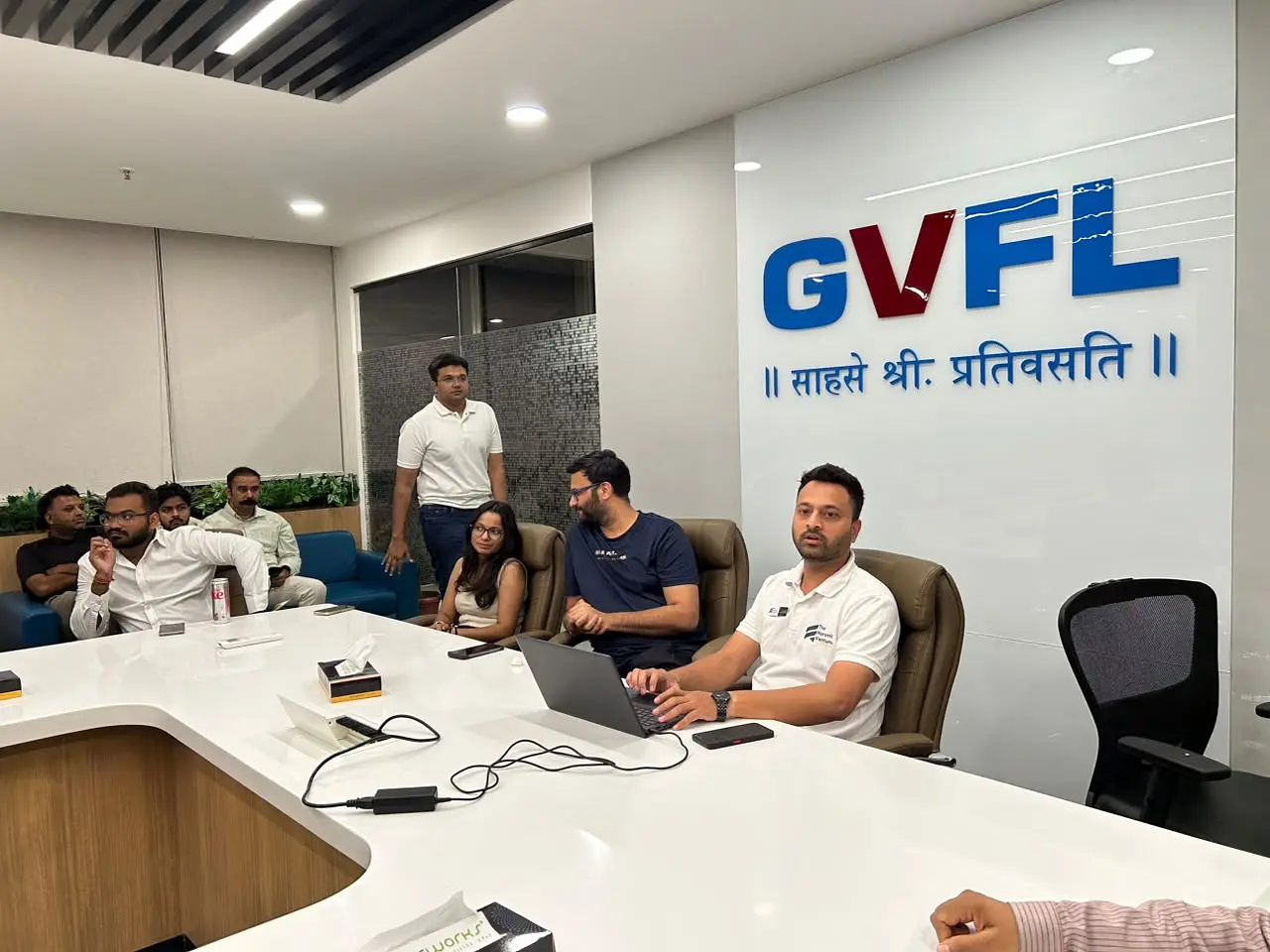
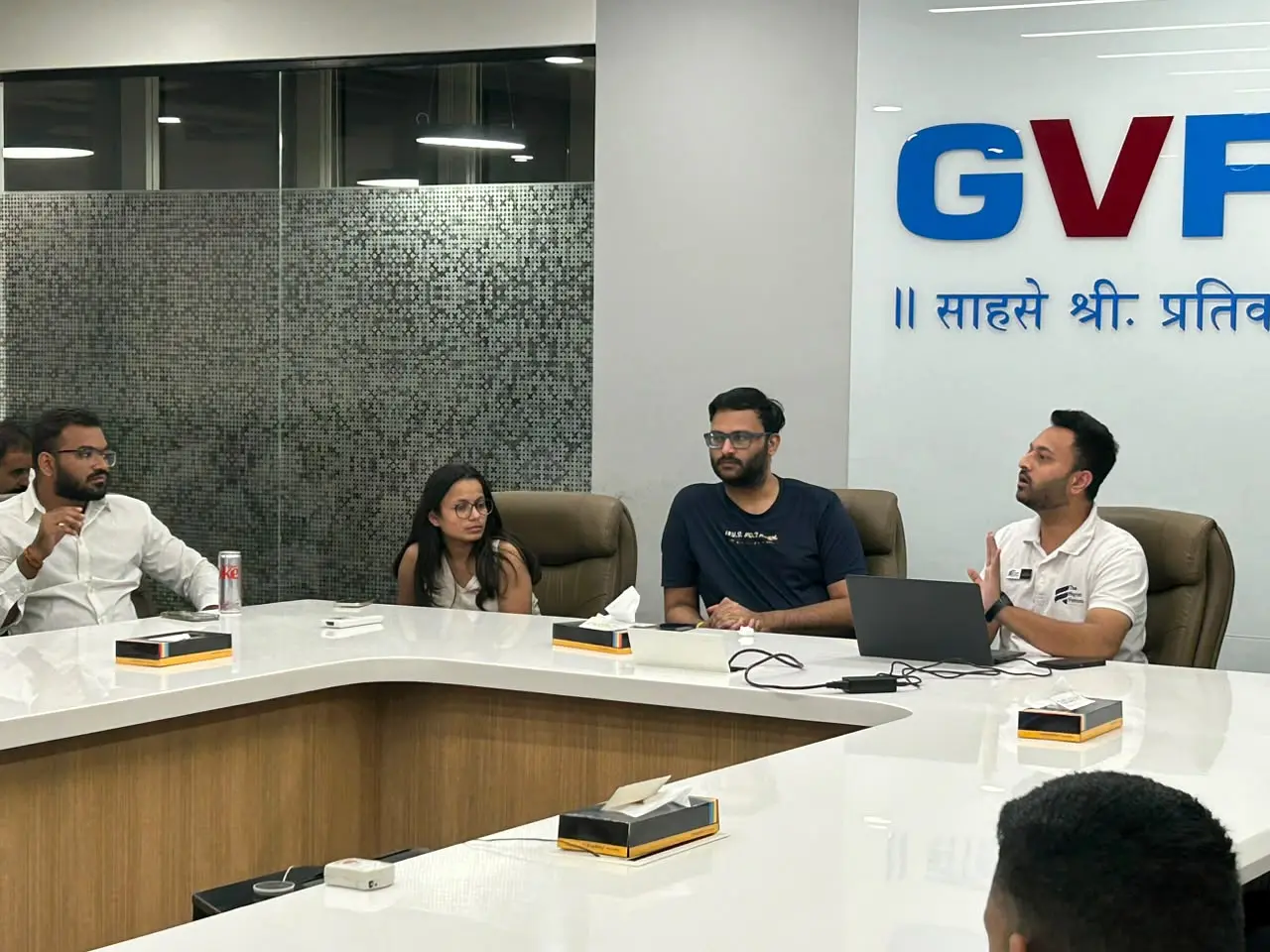
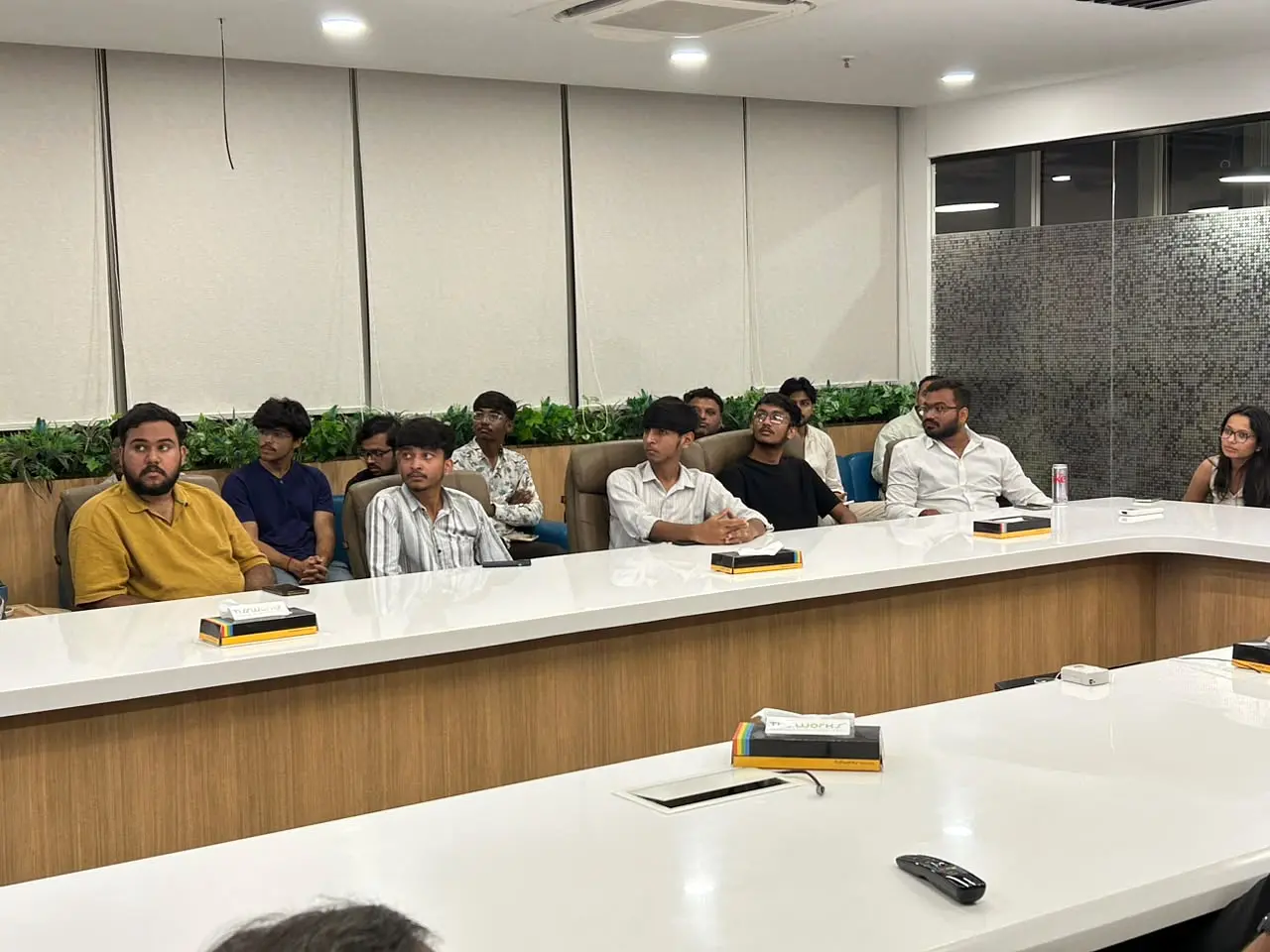
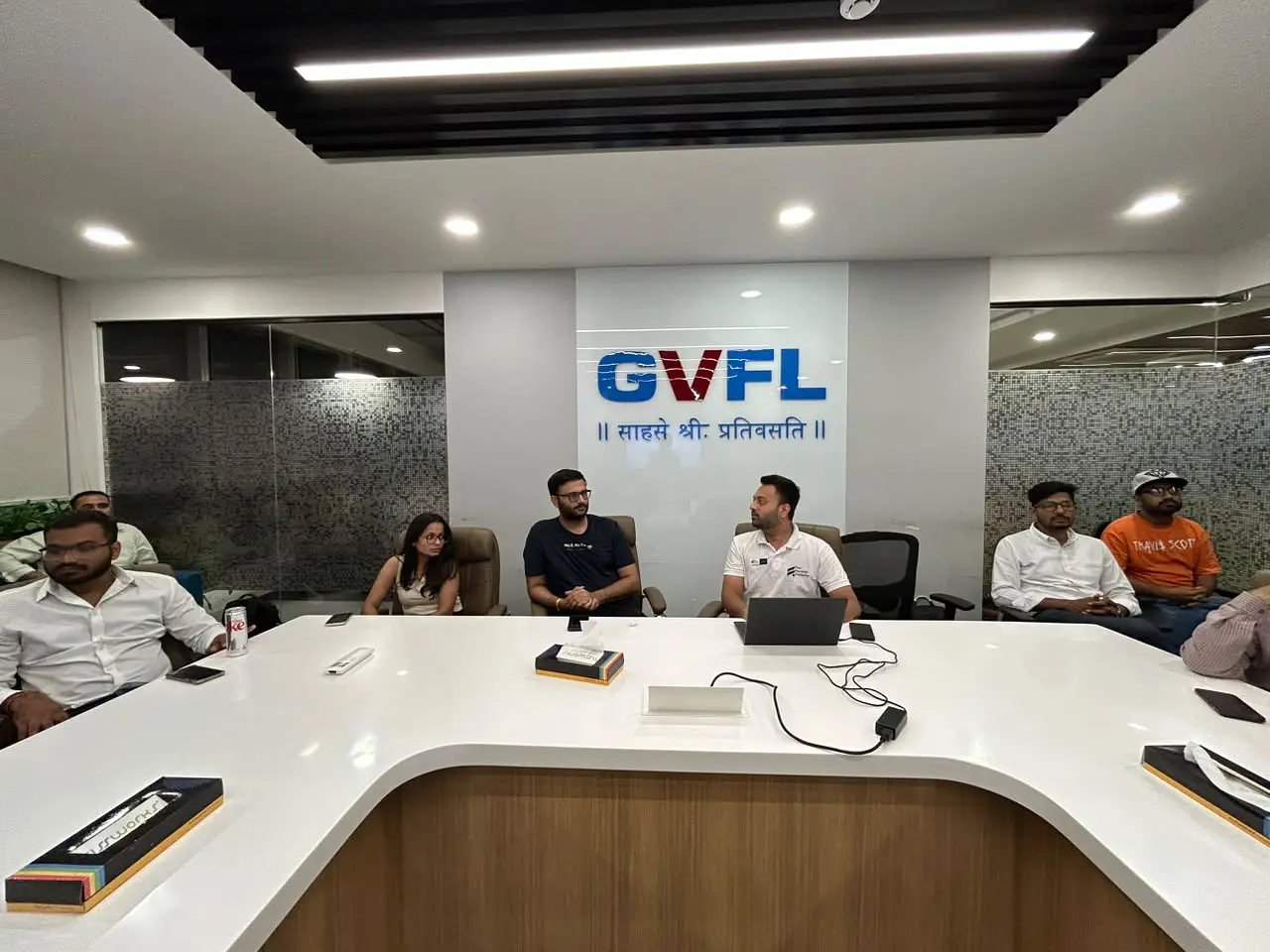
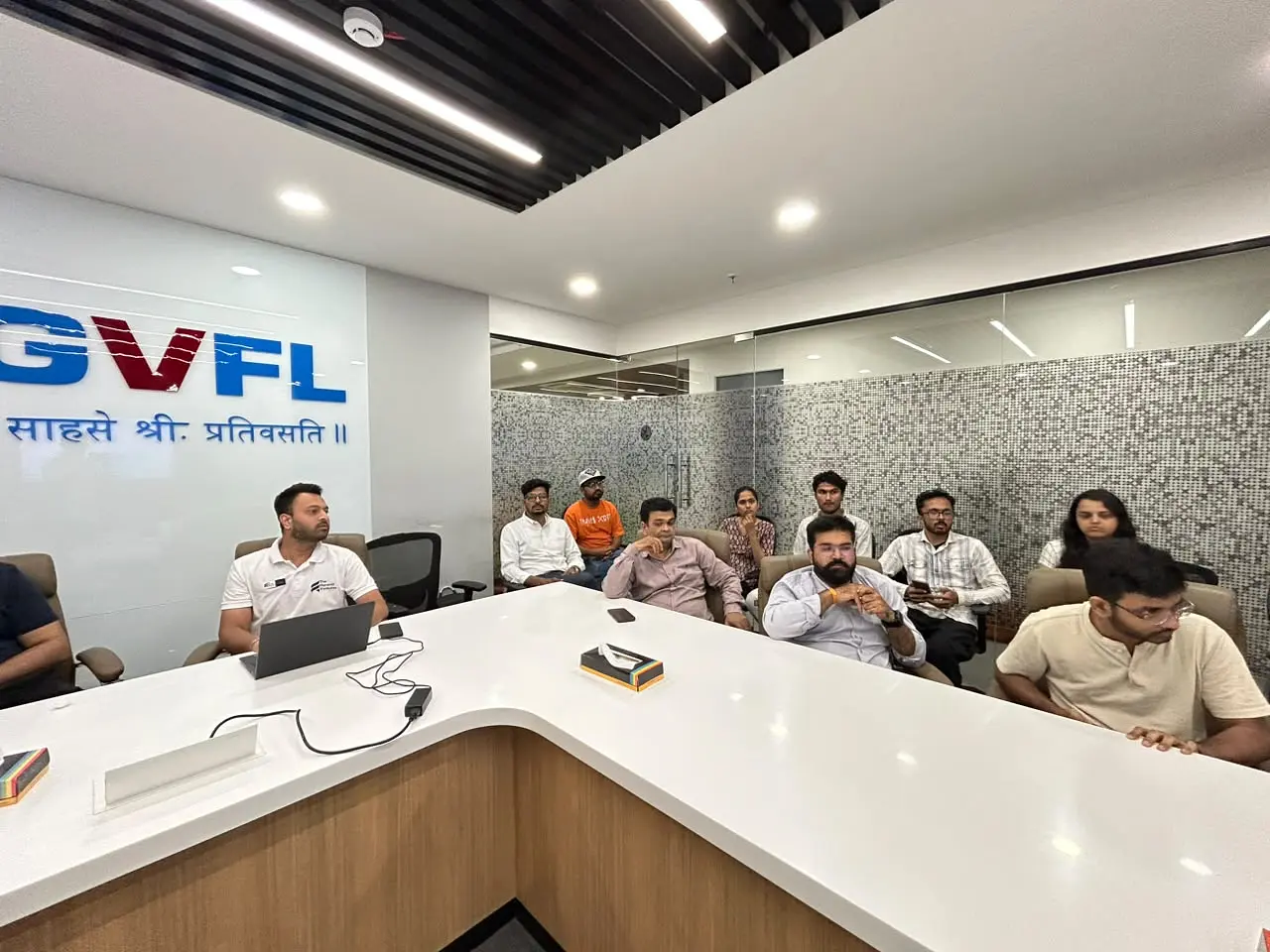
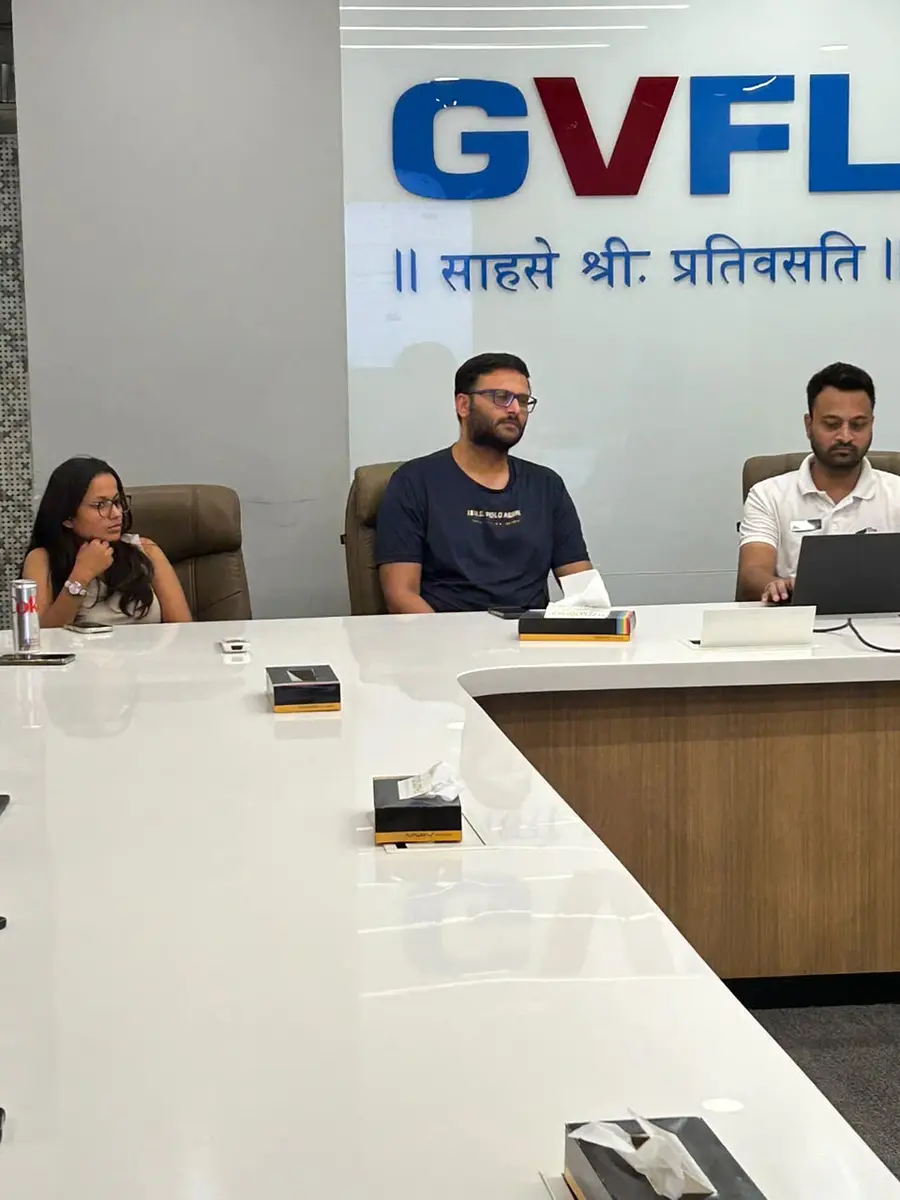
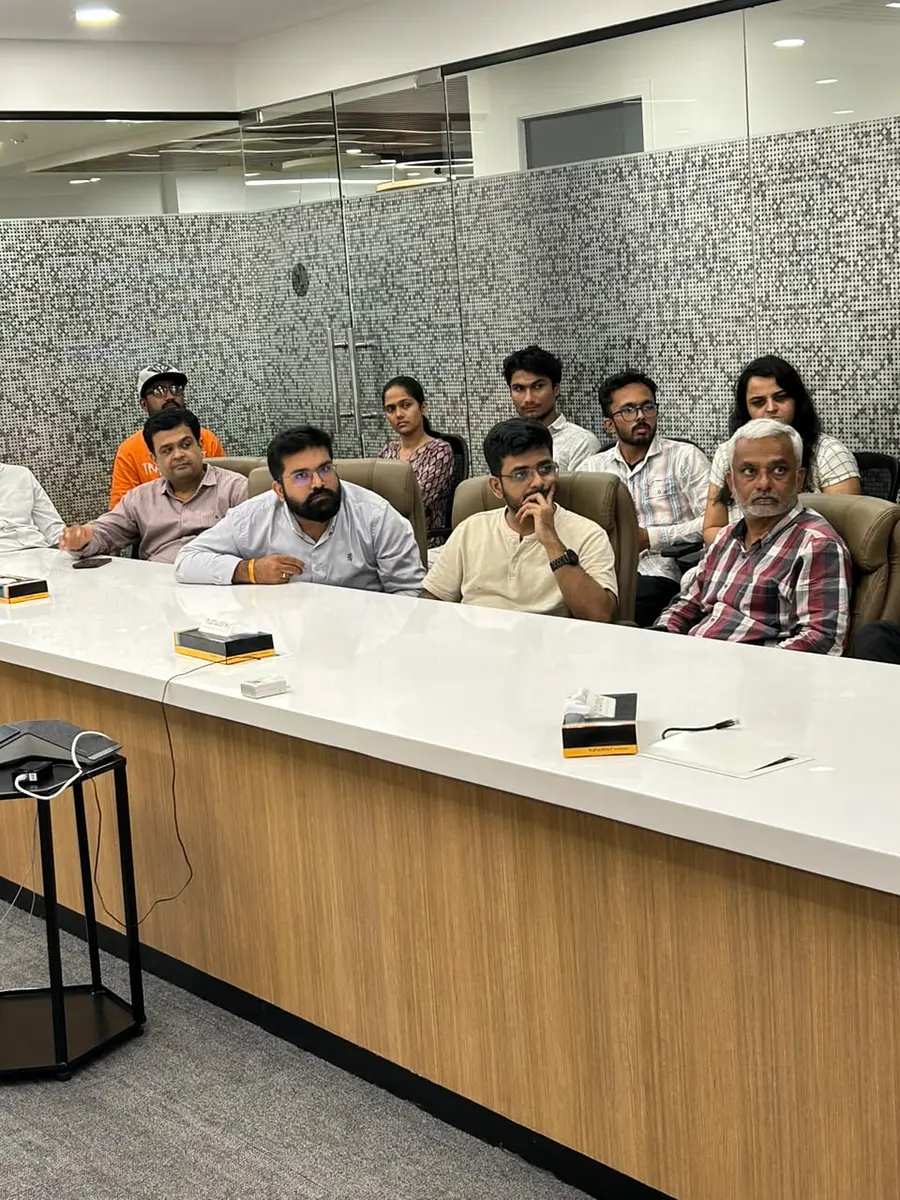
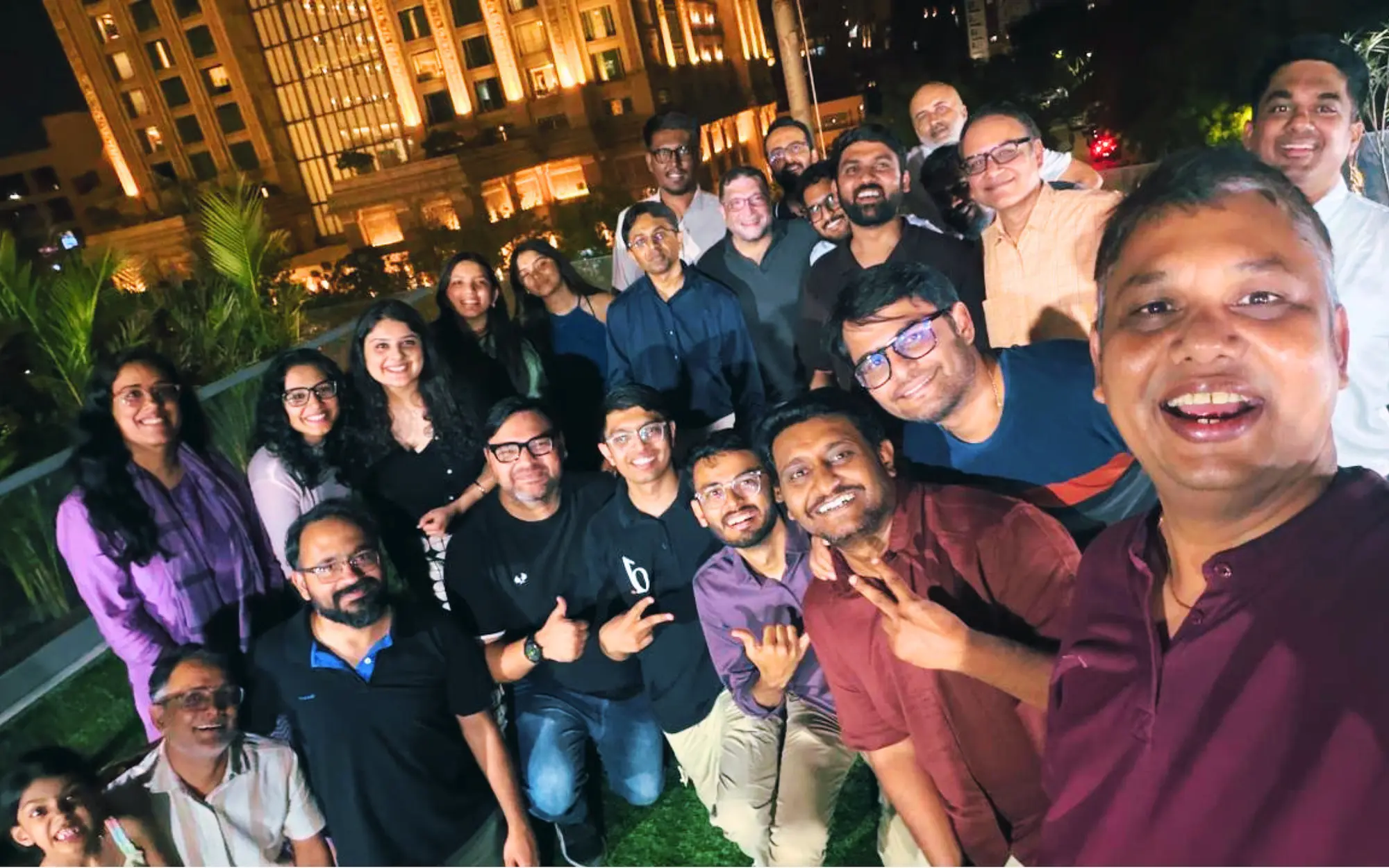
Founders here come to know a few brands well.
Those are eChai’s partner brands. Over a year, founders across the network learn their names and their work, and when somebody asks around for what they do, theirs is the name that comes up.
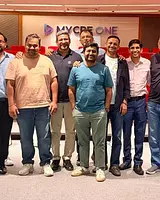
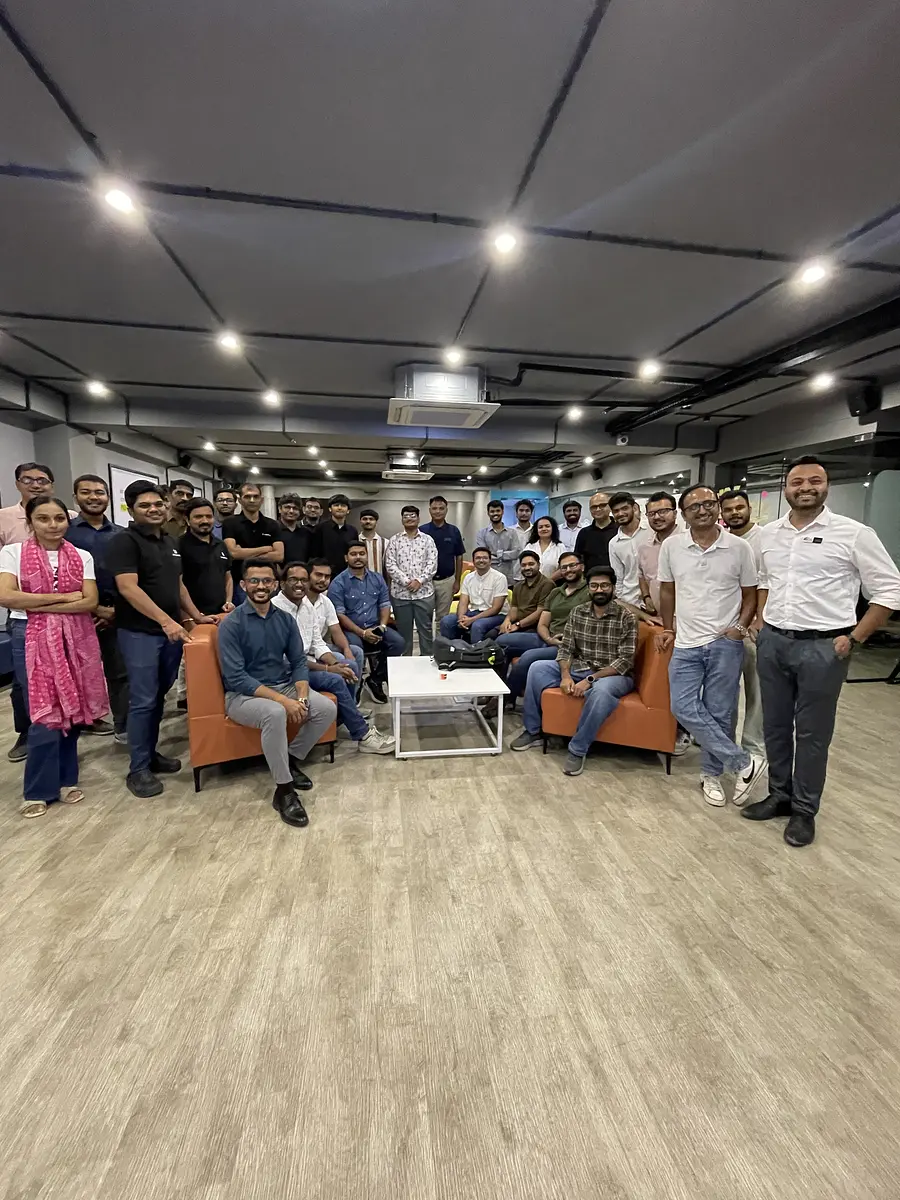
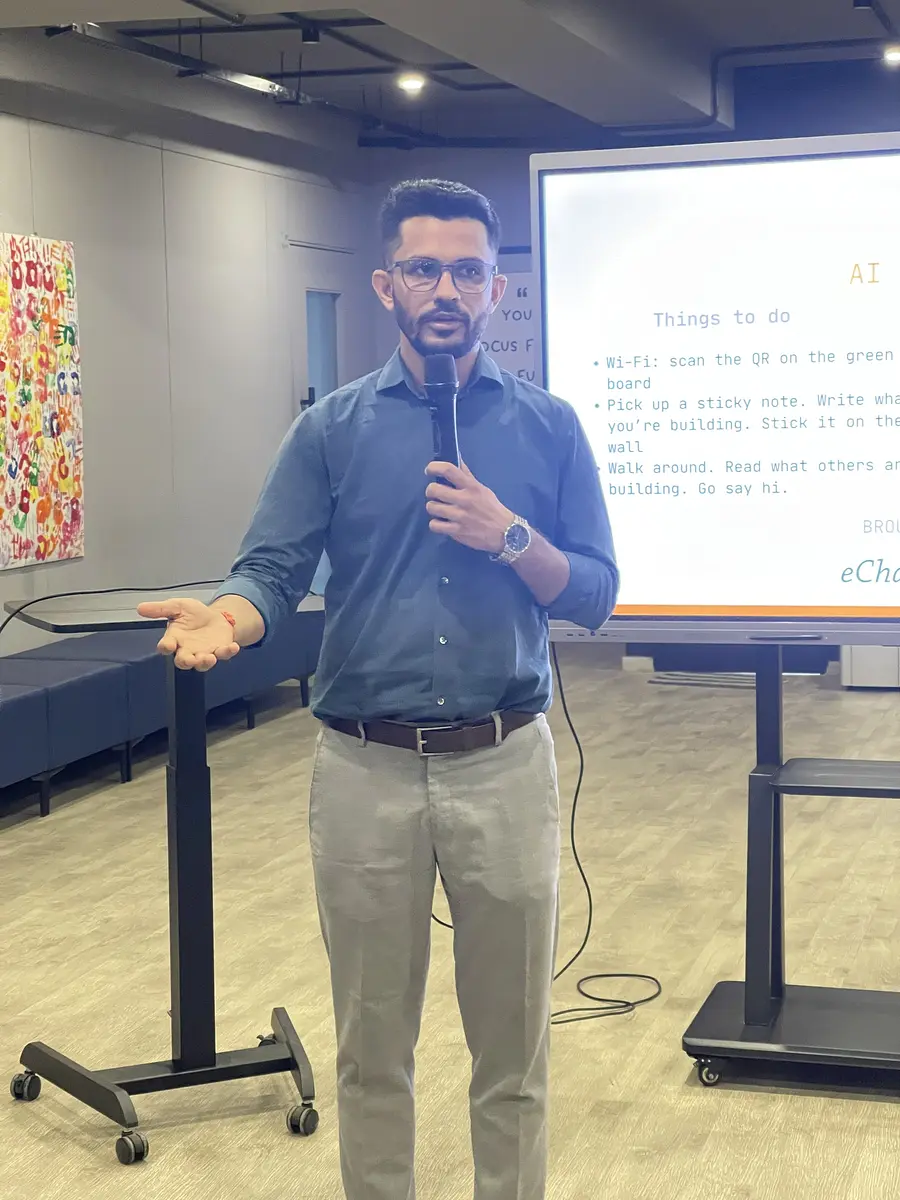
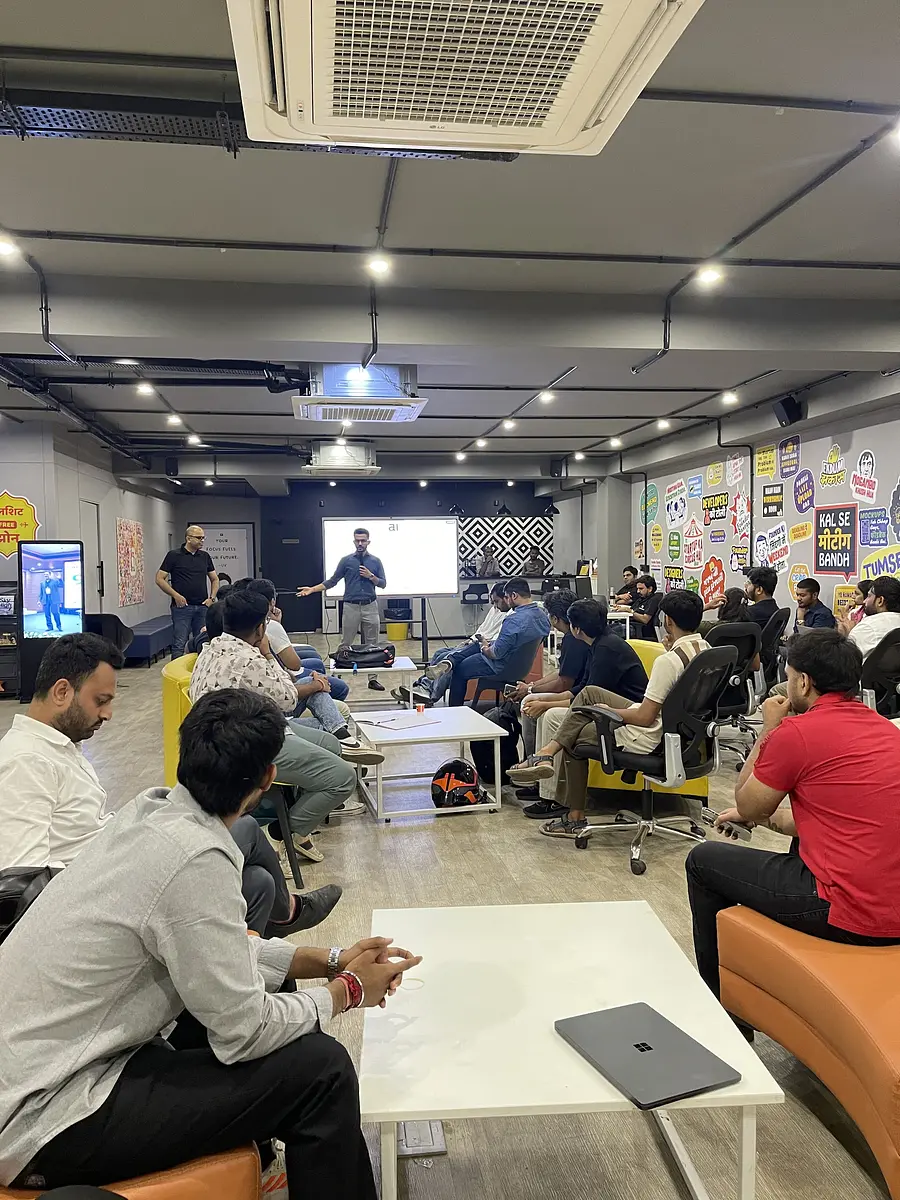
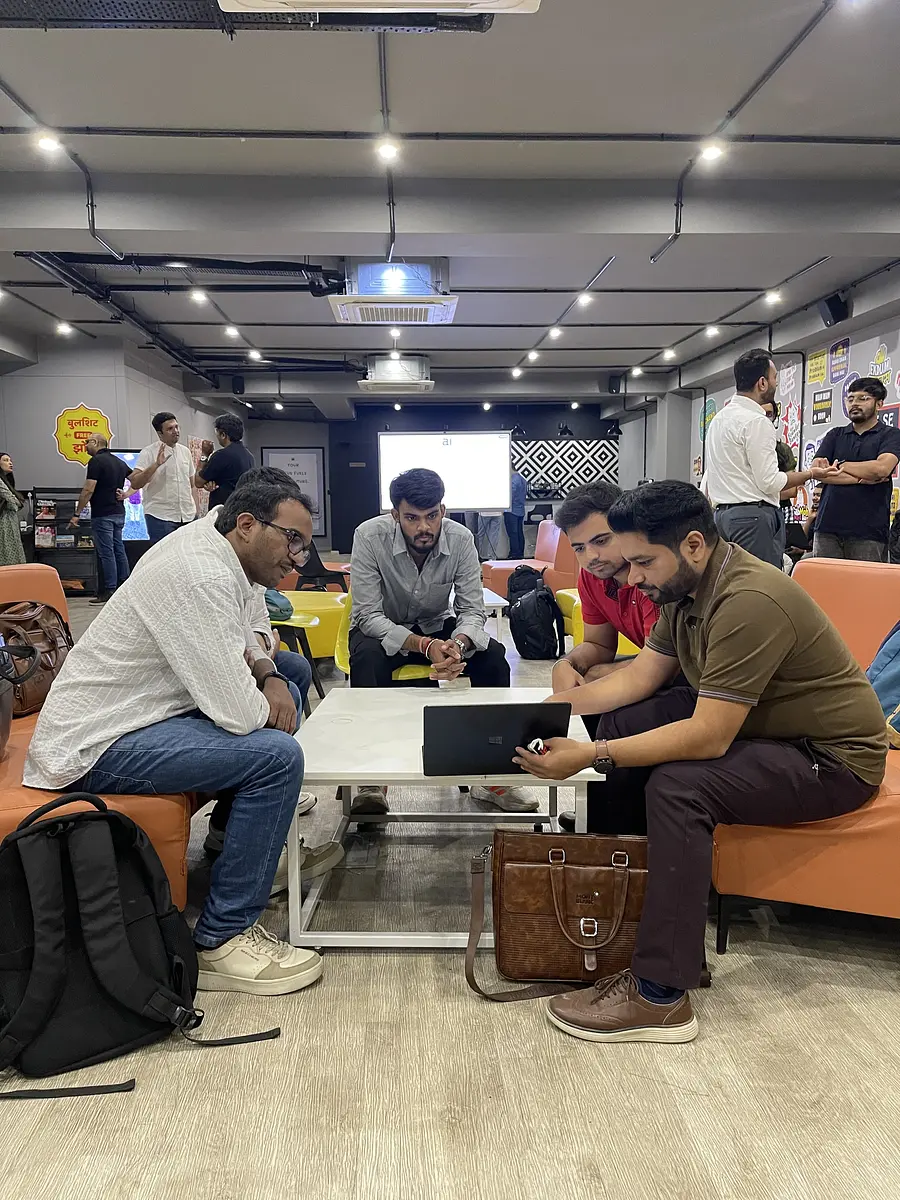
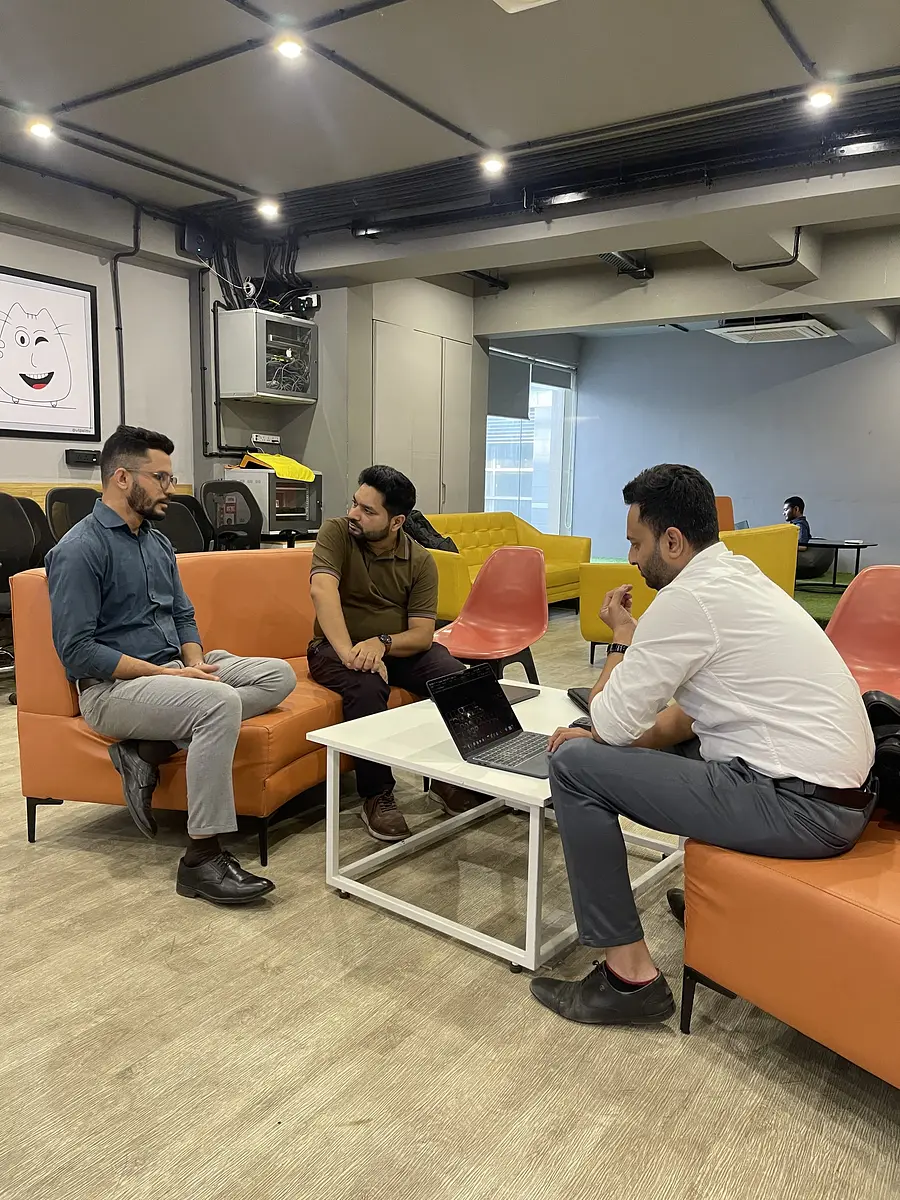
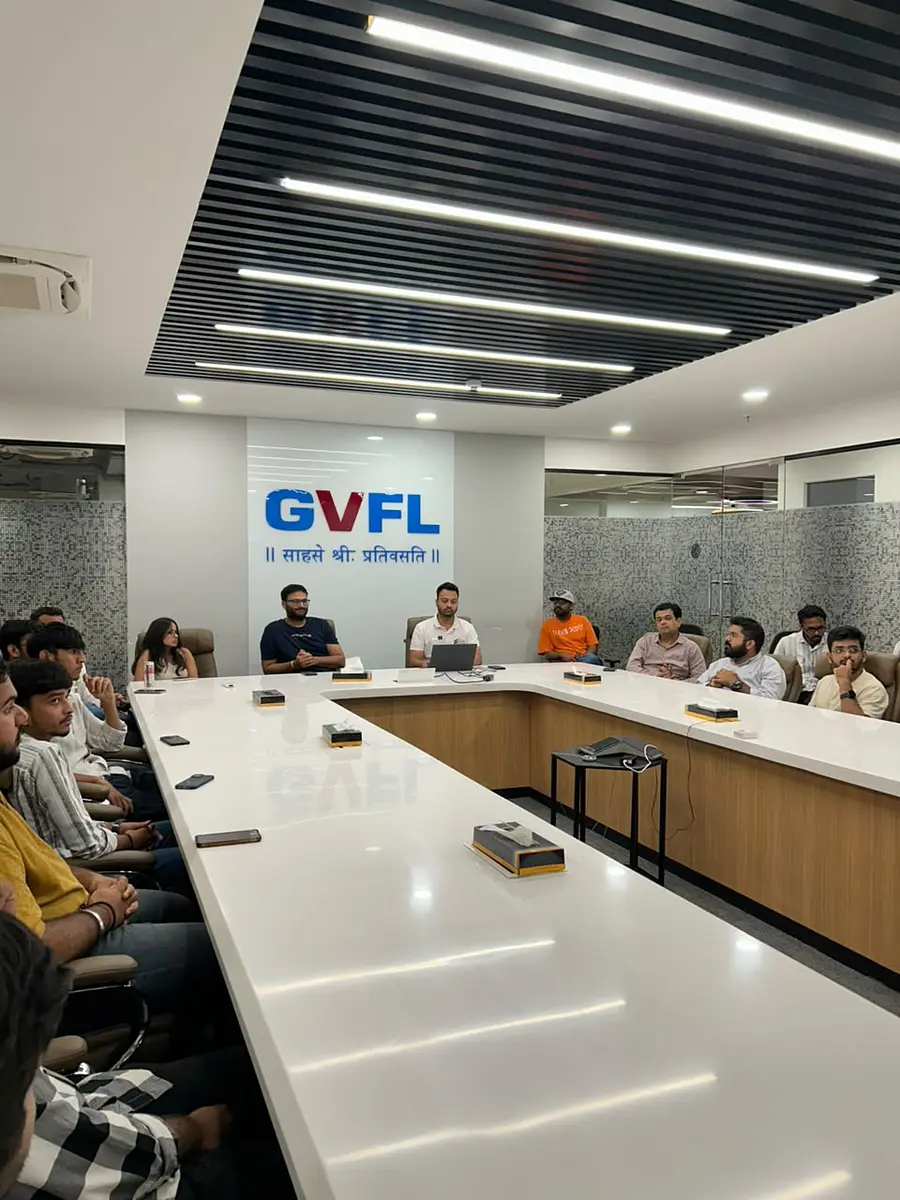
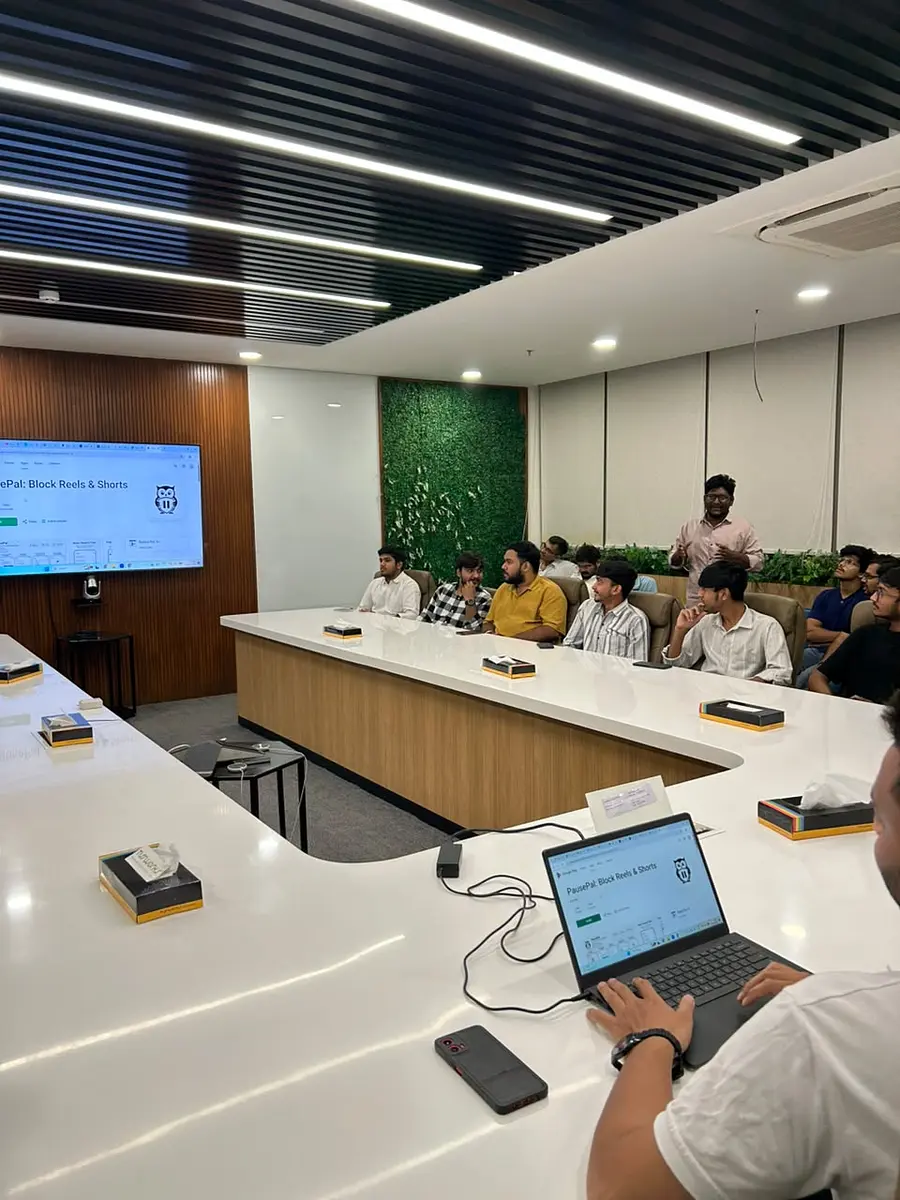
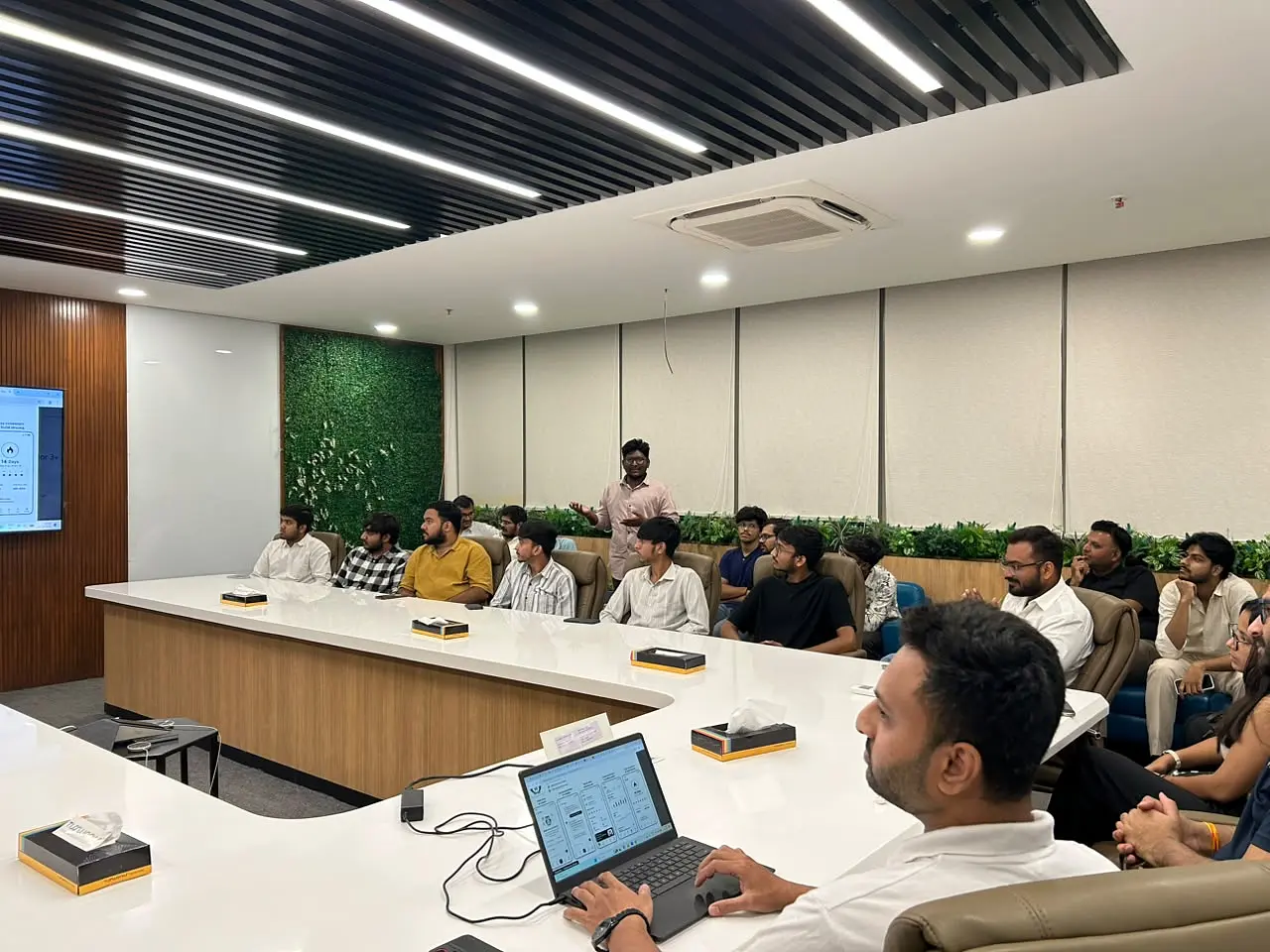
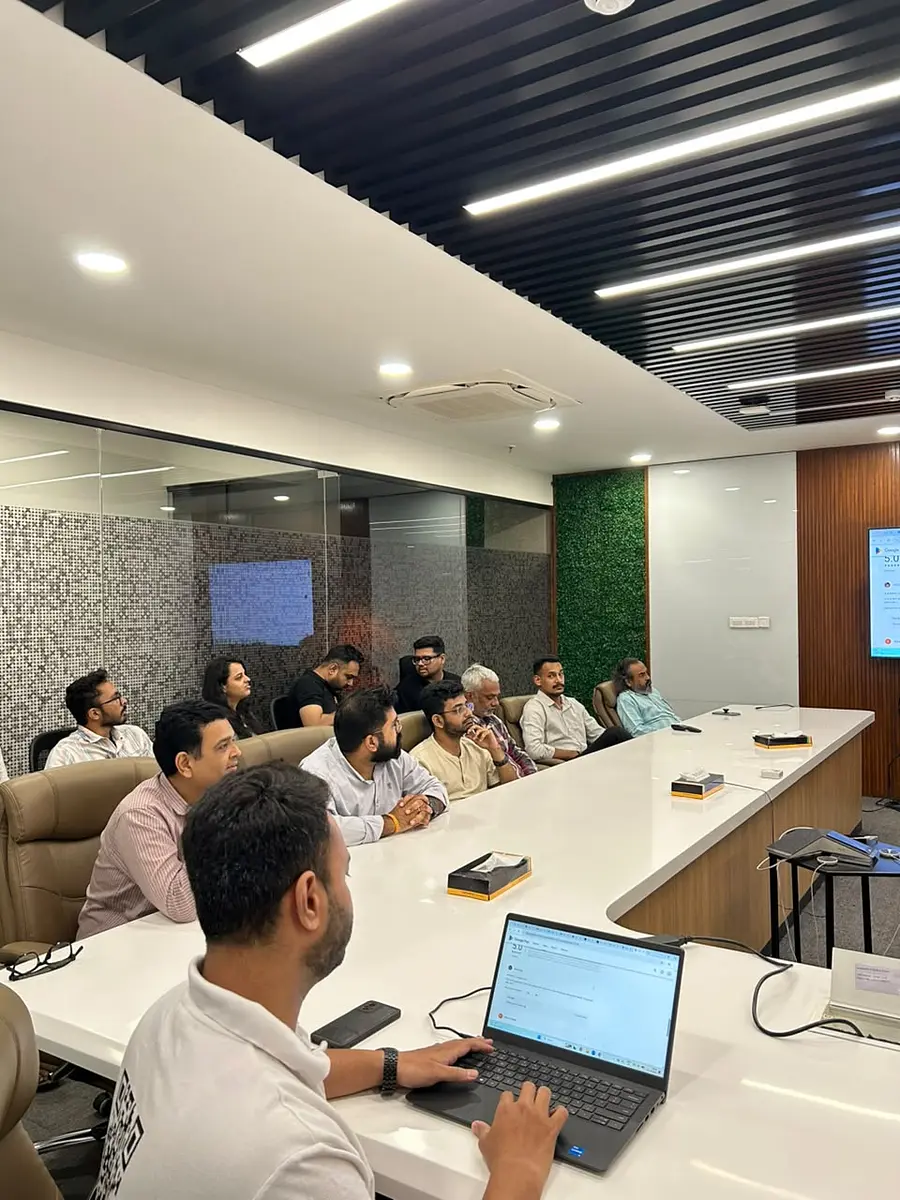
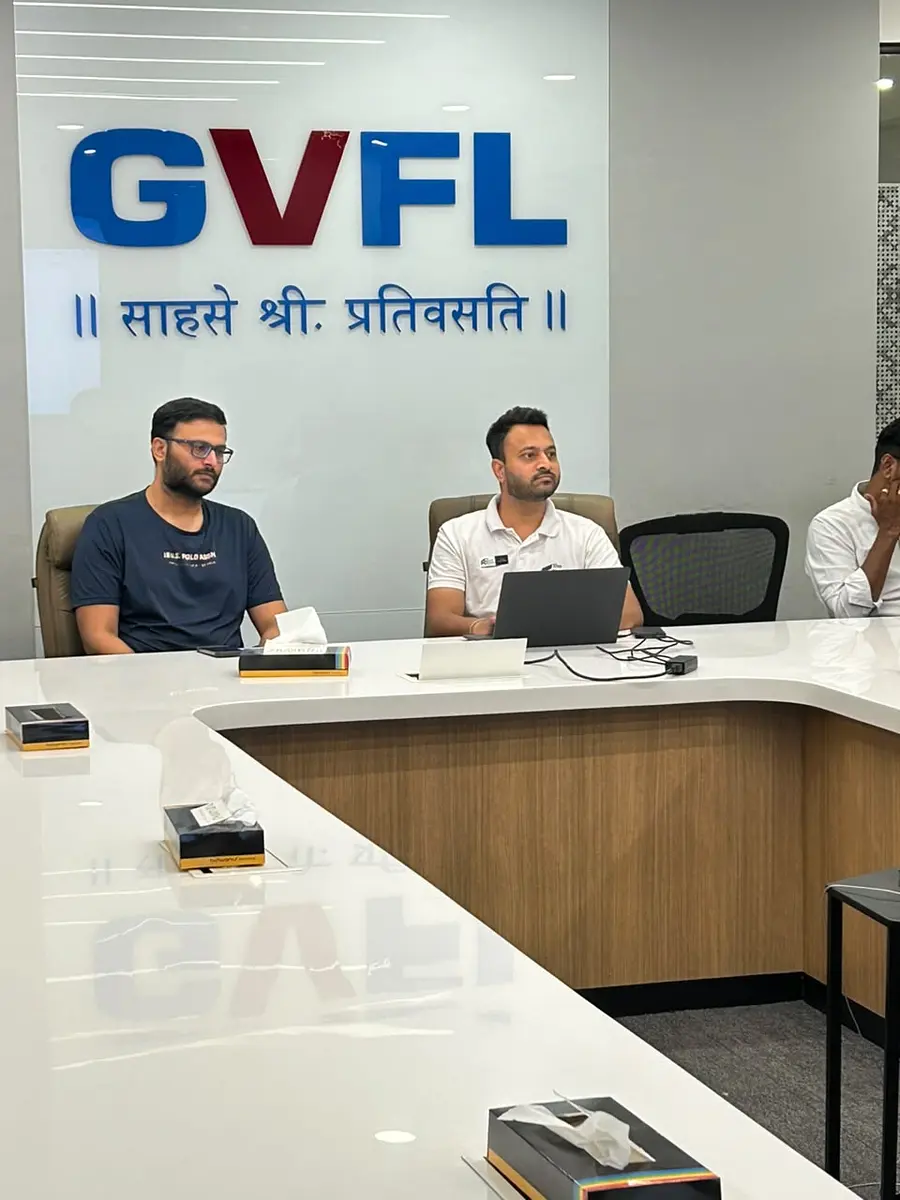
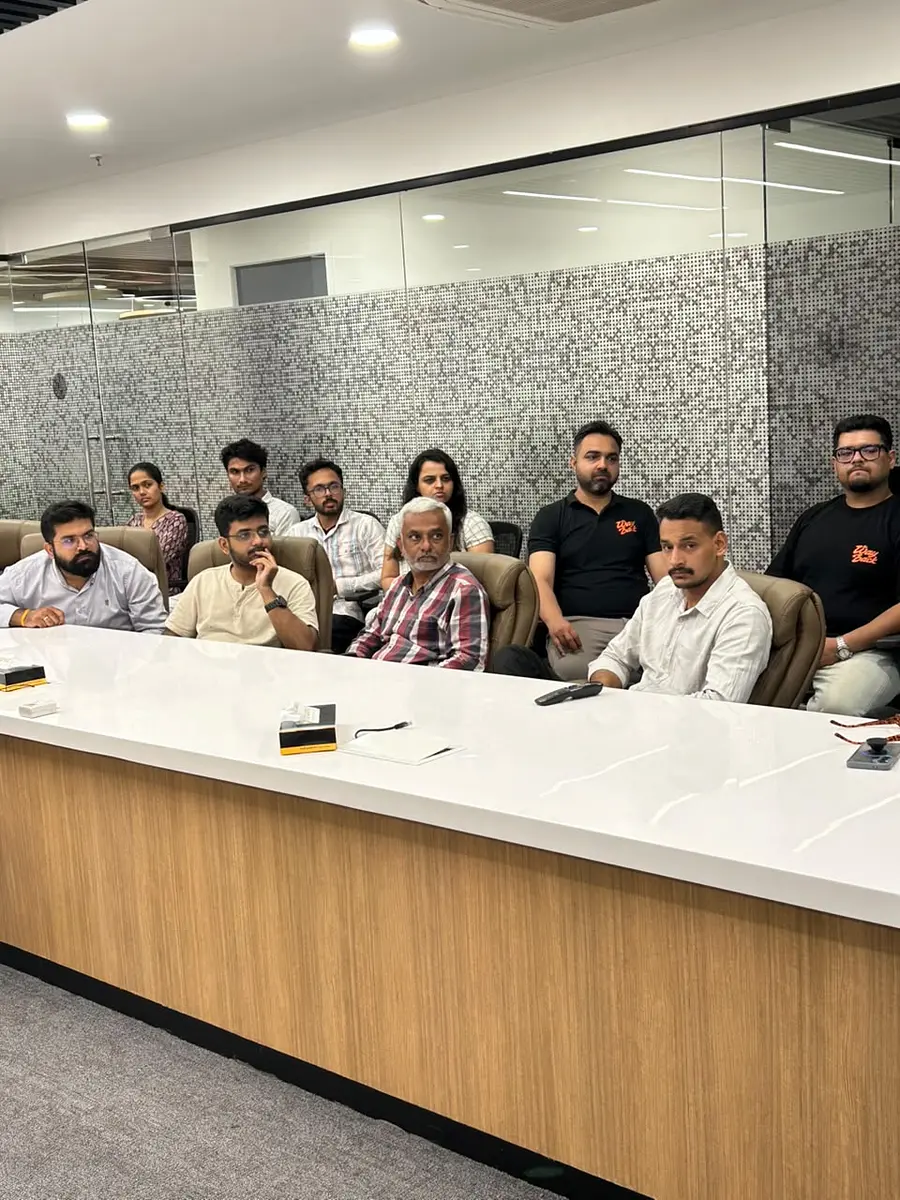
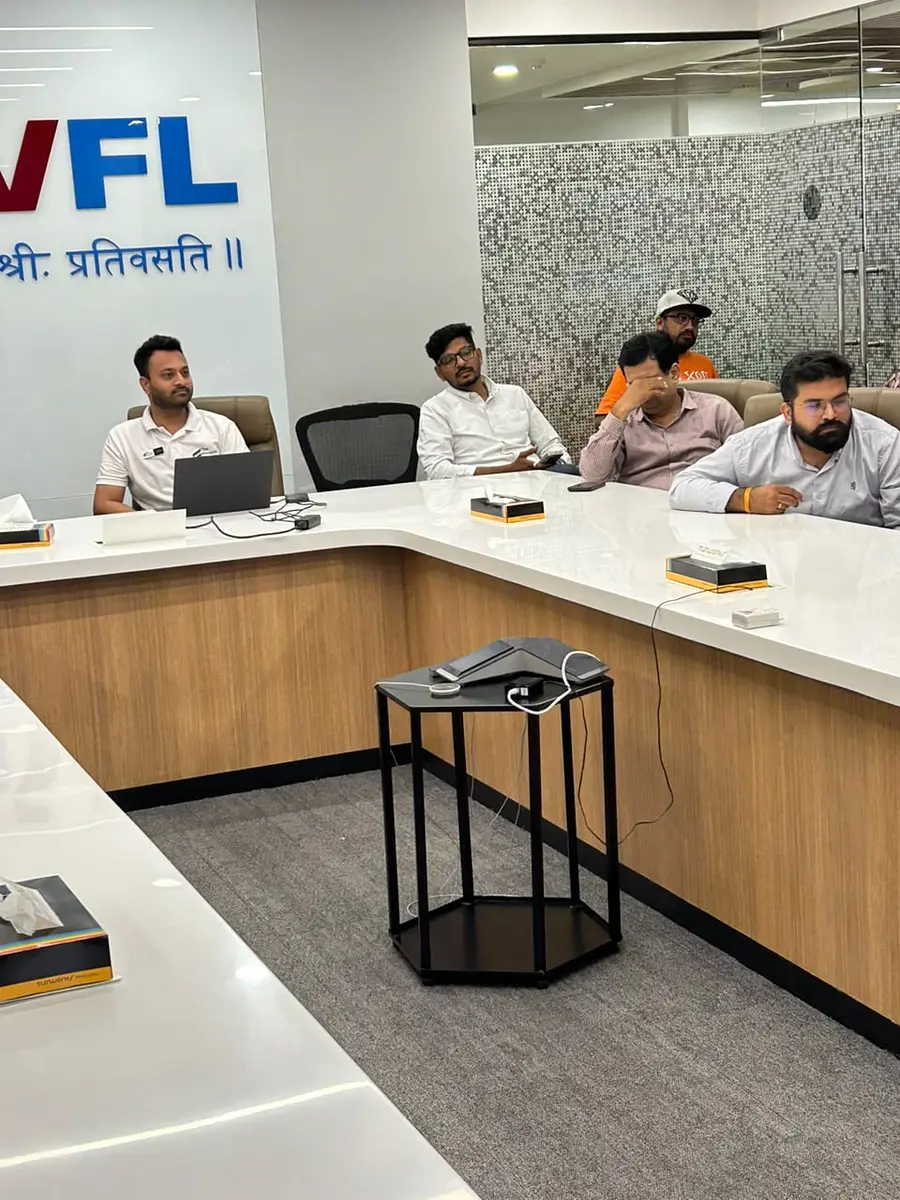
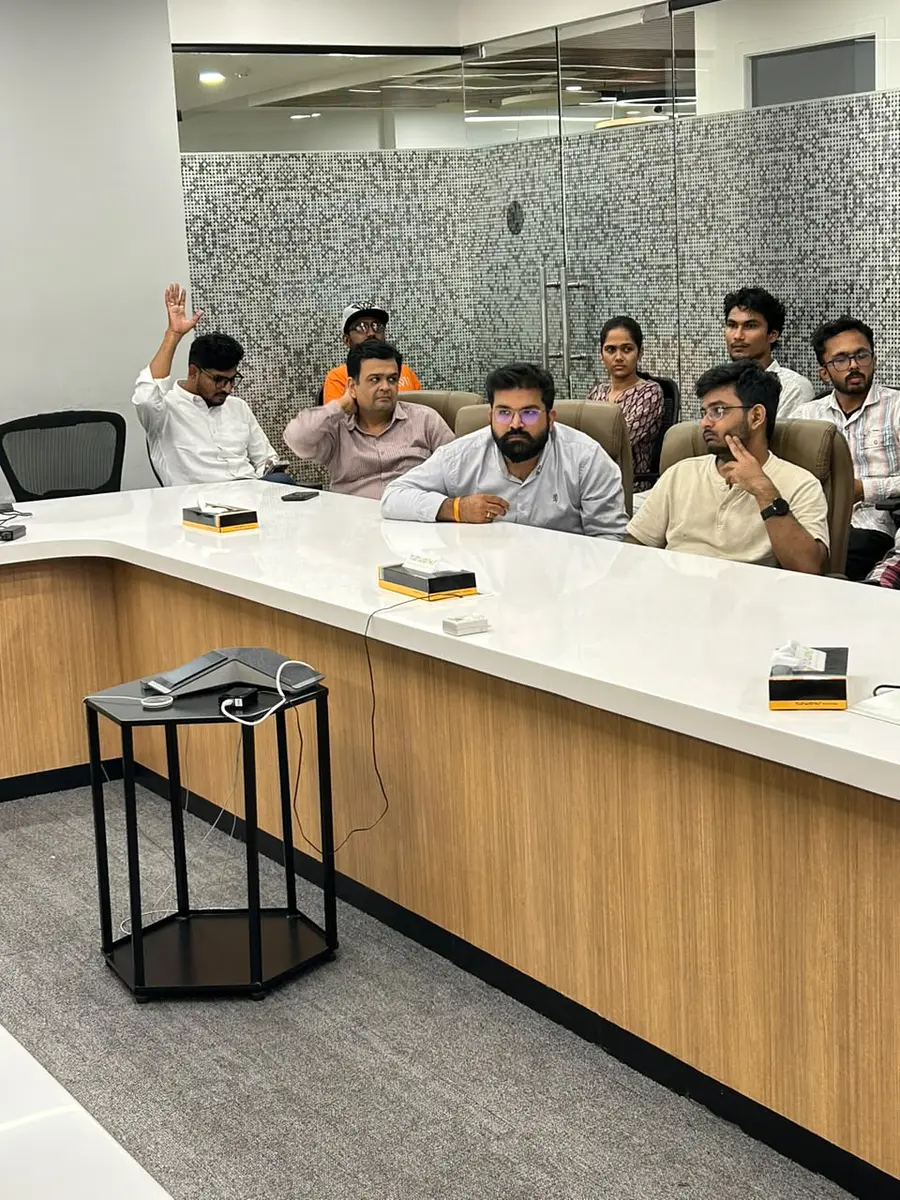
Partner brand founders together at Zestard HQ, Ahmedabad

Who you meet
-
Founders learn your name, then your work.
Over the year they keep running into you: at the gatherings, in the series, on the pages they read through the week. So when one of them needs what you do, they come straight to you.
-
We introduce you to the people you want to reach.
After seventeen years of gatherings we know who has built what, and who works with whom. Tell us who you are after, or we come to you when the right person shows up, with your story and why you two should talk.
-
You are invited to the gatherings that fit.
Open houses, Demo Days, the AI sessions, FailCode, the curated socials and the smaller dinners, some of them by invitation. When one fits what you do and who you want to meet, you are on the list.
What we do with you
-
We sit down with you on your story, your brand and your business.
One to one, more than once in the year. We have heard a few thousand founders, so you hear fairly quickly what is working, what is not, and what we would change first.
-
We take your team through what AI changed for us.
Almost everything eChai builds now has AI in the workflow. We go through what we tried, what worked and what wasted our time, and then connect you to founders further along than us.
-
You can ask us anything, whenever it comes up.
Every week we hear what founders are building, what they recommend to each other and what they have moved on from. Twice a year we go through what it means for your category. In between we answer, or find a founder who can.
Where your name runs
-
Your mark comes round under every page on eChai.
The wall of partner brands under the site's pages draws a different ten each time, so yours comes round on the city pages, the event pages and the notes founders read, all year. Your page on echai.ventures stays up after it, and your name runs through our LinkedIn, Instagram and X.
-
The blue tick puts you first wherever founders are listed.
The tick and your company's mark sit beside your name across eChai, and lists of founders put the blue ticks first: your city's people, the directory, and the roster of every gathering you go to, after its hosts and speakers.
-
Your company carries its mark on the Startup Grid.
Where your company is on a city's map of its startups, it is drawn by your mark rather than a dot, opens on your own words and pictures, and is a stop on the tour the map offers of its partner brands.
-
You write and speak here under your own name.
You come into the series we run online (How Founders Use AI, the founder conversations, the long reads) where you have something real to say, and you write in Founder Notes, where founders across our cities write about what they are building.
The brands working with us.






























The founders behind them.
-
 Manoj Adwani
narad.io
Manoj Adwani
narad.io
-
 Khadim Batti
Whatfix
Khadim Batti
Whatfix
-
 Nirmit Parikh
-

 Amal Mishra
Urban Vault
Amal Mishra
Urban Vault
-

 Abhishek Jain
Naapbooks
Abhishek Jain
Naapbooks
-
 Aditya Shah
Because
Aditya Shah
Because
-
 Amish Trivedi
Upsquare
Amish Trivedi
Upsquare
-
 Amit Gupta
Airmed Pathology Labs
Amit Gupta
Airmed Pathology Labs
-
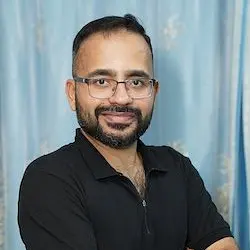
 Anil Motwani
Atoa Technologies
Anil Motwani
Atoa Technologies
-
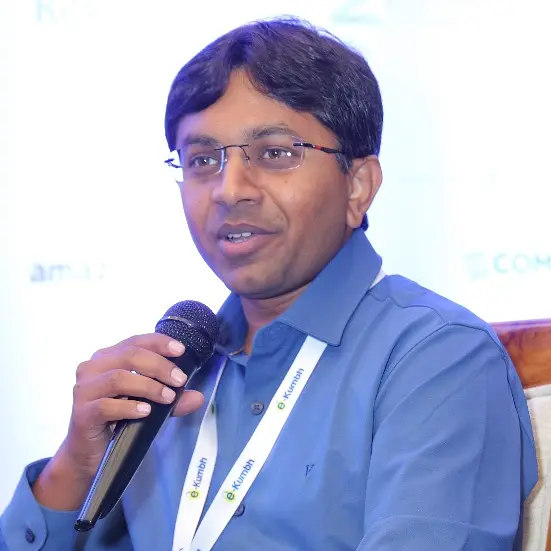
 Anuj Dalal
CheckMyWarranty
Anuj Dalal
CheckMyWarranty
-
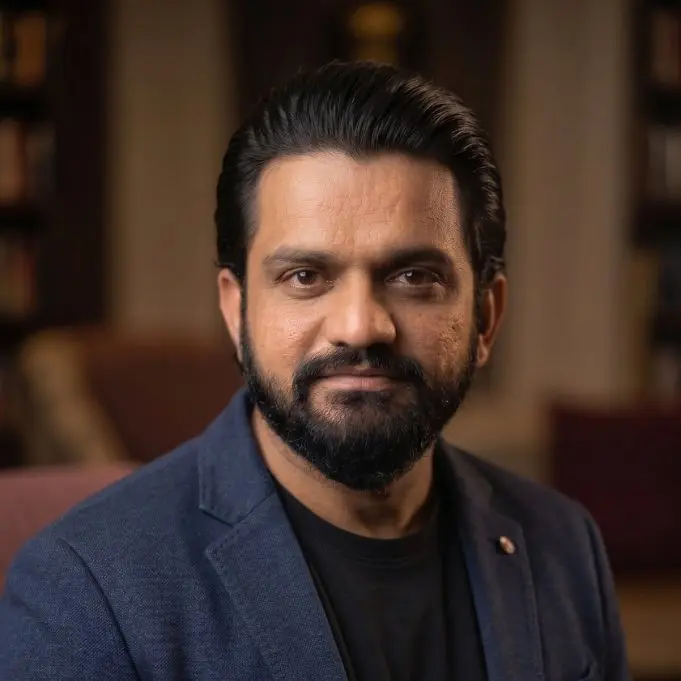 Aryan Vijay
Insomniacs Digital Private Limited
Aryan Vijay
Insomniacs Digital Private Limited
-
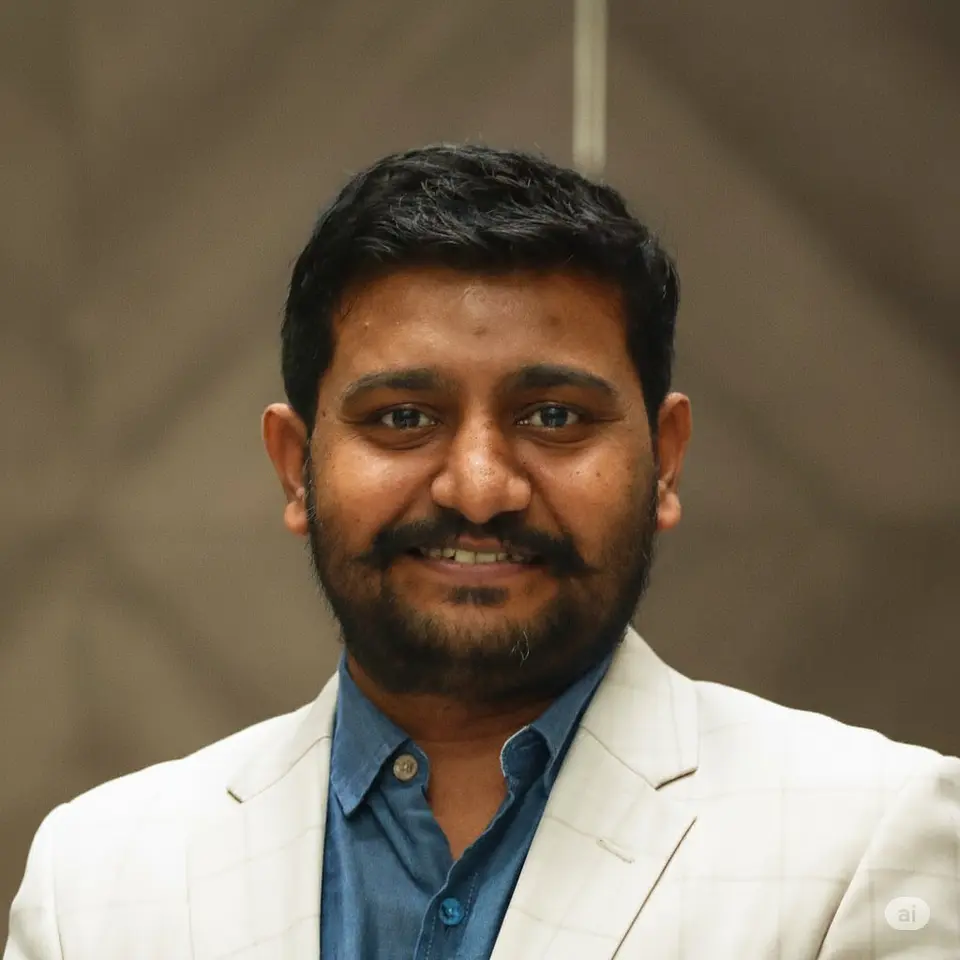
 Bhavesh Patel
Brands.live
Bhavesh Patel
Brands.live
-
 Bhavin S Bhagat
IBGrid
Bhavin S Bhagat
IBGrid
-
 Chintan Papaiya
KissanAI
Chintan Papaiya
KissanAI
-
 Deenky Shah
Because
Deenky Shah
Because
-
 Hardik Manwani
HMMBiz
Hardik Manwani
HMMBiz
-
 Hari Balasubramanian
Indian Angel Network
Hari Balasubramanian
Indian Angel Network
-
 Haripriya Bhagat
IBGrid
Haripriya Bhagat
IBGrid
-

 Harsha Bhurani
Hummingbird Talent
Harsha Bhurani
Hummingbird Talent
-
 Jainam Mehta
Oizom
Jainam Mehta
Oizom
-
 Jash Gor
RCSL
Jash Gor
RCSL
-
 Jatin Chaudhary
eChai Ventures
Jatin Chaudhary
eChai Ventures
-
 Jayesh Kadivar
Growthnest
Jayesh Kadivar
Growthnest
-
 Khyati Brahmbhatt
Rocket
Khyati Brahmbhatt
Rocket
-
 Koumal Kalantry
Bignano Ventures
Koumal Kalantry
Bignano Ventures
-
 Kumar Manish
Urbanvoicesin
Kumar Manish
Urbanvoicesin
-
 Kunal Chaudhari
eChai Ventures
Kunal Chaudhari
eChai Ventures
-
 Kush Prajapati
DI AI
Kush Prajapati
DI AI
-
 Malav Warke
Creatosaurus
Malav Warke
Creatosaurus
-
 Manasvi Thapar
Candour Legal
Manasvi Thapar
Candour Legal
-
 Mayank Patel
IBGrid
Mayank Patel
IBGrid
-

 Megha Verma
Growth Iris
Megha Verma
Growth Iris
-

 Mehul Shah
iKomatch
Mehul Shah
iKomatch
-
 Mihir Joshi
-

 Nadeem Jafri
Hearty Mart
Nadeem Jafri
Hearty Mart
-
 Nikita Maheshwari
-
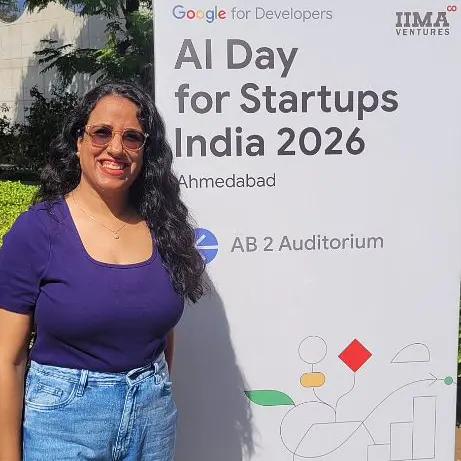 Nikita Lalwani
Crooze Fitness App
Nikita Lalwani
Crooze Fitness App
-
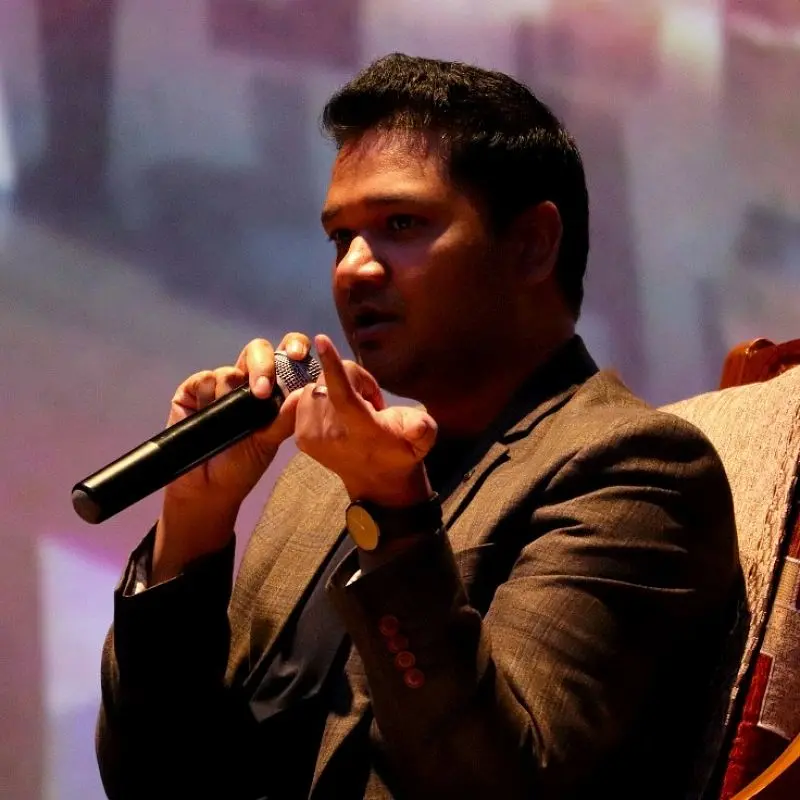 Nivin Joseph
FounderStartupHouse
Nivin Joseph
FounderStartupHouse
-
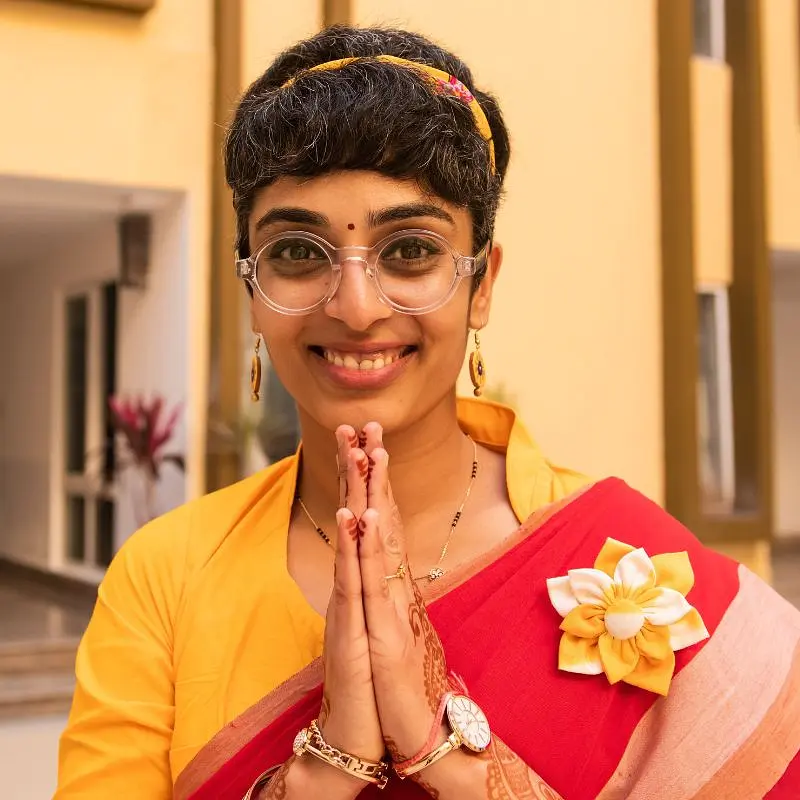 Radhika Mohta
-
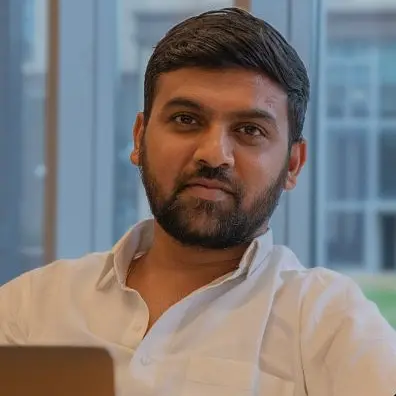
 Rahul Kumar
Retner
Rahul Kumar
Retner
-
 Rishit Shah
Kinetiq
Rishit Shah
Kinetiq
-
.jpg) Ritwik Joshi
Ability Advocacy, Genie AI Canada
Ritwik Joshi
Ability Advocacy, Genie AI Canada
-
 Rushabh Shah
STIR Advisors
Rushabh Shah
STIR Advisors
-

 Rushi Patel
Digipple
Rushi Patel
Digipple
-
 Sahil Shah
VP Marketing, Petpooja
Sahil Shah
VP Marketing, Petpooja
-
 Shalin (Shawn) Parikh
MYCPE One
Shalin (Shawn) Parikh
MYCPE One
-

 Shrijay Sheth
LegalWiz.in
Shrijay Sheth
LegalWiz.in
-
 Siddharth Patel
Digipple
Siddharth Patel
Digipple
-
 Simran Suri
Kanegi
Simran Suri
Kanegi
-
 Sohil Patel
Oizom
Sohil Patel
Oizom
-

 Umesh Uttamchandani
DevX
Umesh Uttamchandani
DevX
-
 Utpal Vaishnav
Upsquare
Utpal Vaishnav
Upsquare
-
 Veeral Luvani
Wizcoder Ai Labs Pvt Ltd
Veeral Luvani
Wizcoder Ai Labs Pvt Ltd
-
 Vikas Mundhra
Magenta Insights
Vikas Mundhra
Magenta Insights
-
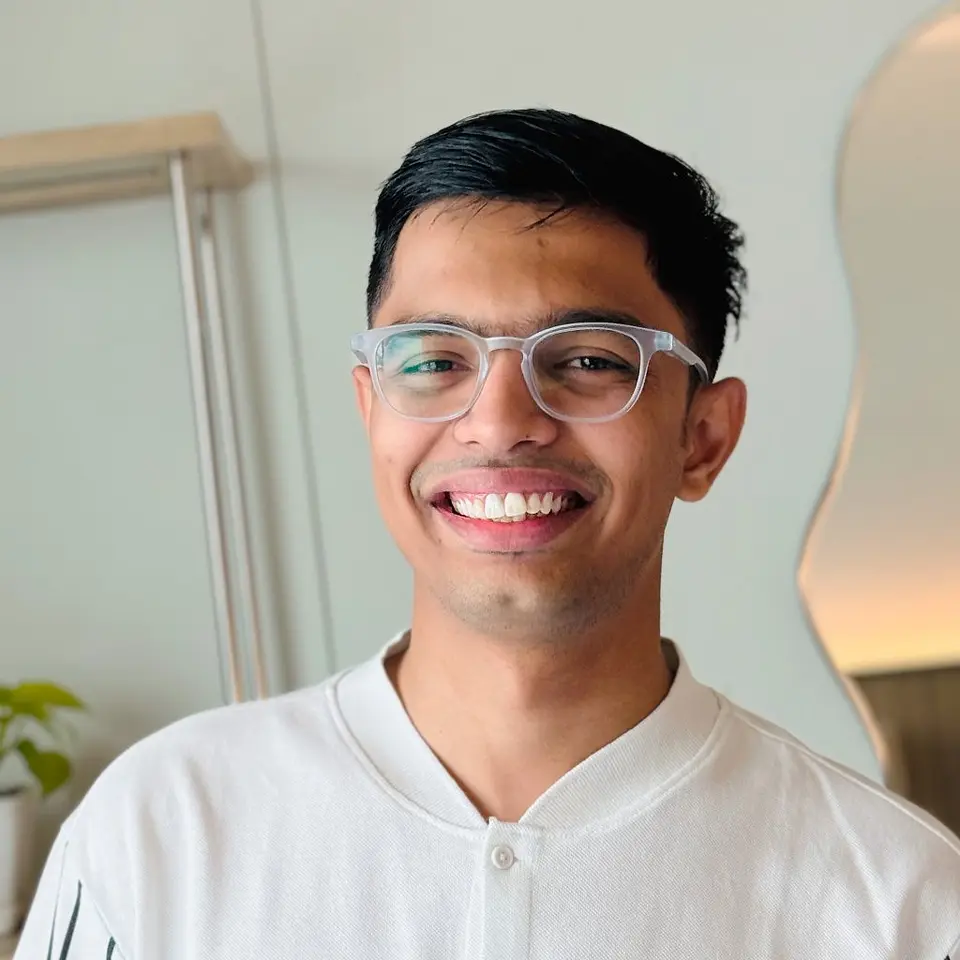 Viraj Rajani
Digipple
Viraj Rajani
Digipple
-
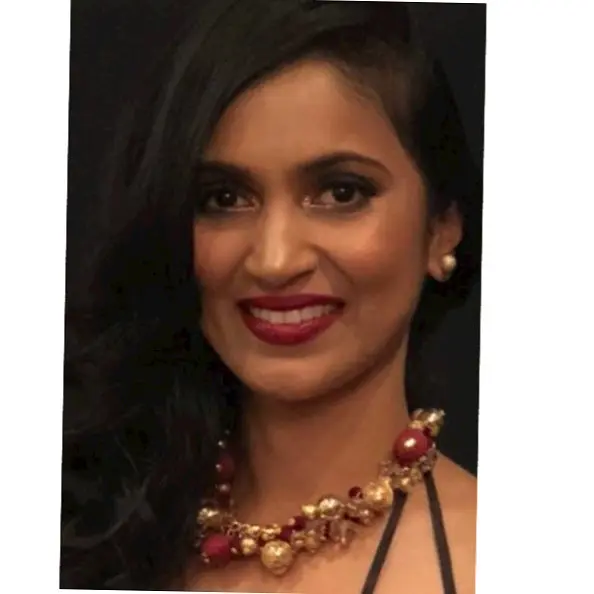 Vishakha Shah
-
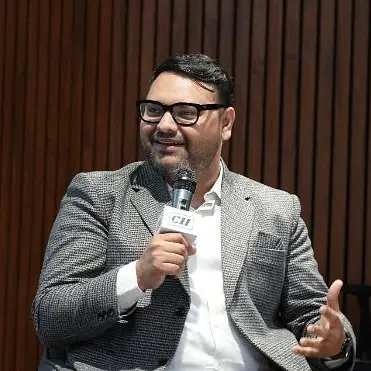
 Vishal Tiwari
Narayana Business School
Vishal Tiwari
Narayana Business School
How it works.
A partnership is for growth stage founders who want to come in as a partner brand, and it runs one year at a time. The brand fee for the year is paid to eChai. An affiliate share runs alongside it, linked to the outcomes we drive together. Both carry GST.
Everything a partnership comes withTo come in as a partner brand, write to me at [email protected] and tell me what you want the year to do for your brand.
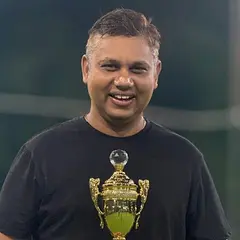
Jatin ChaudharyCo-founder, eChai Ventures
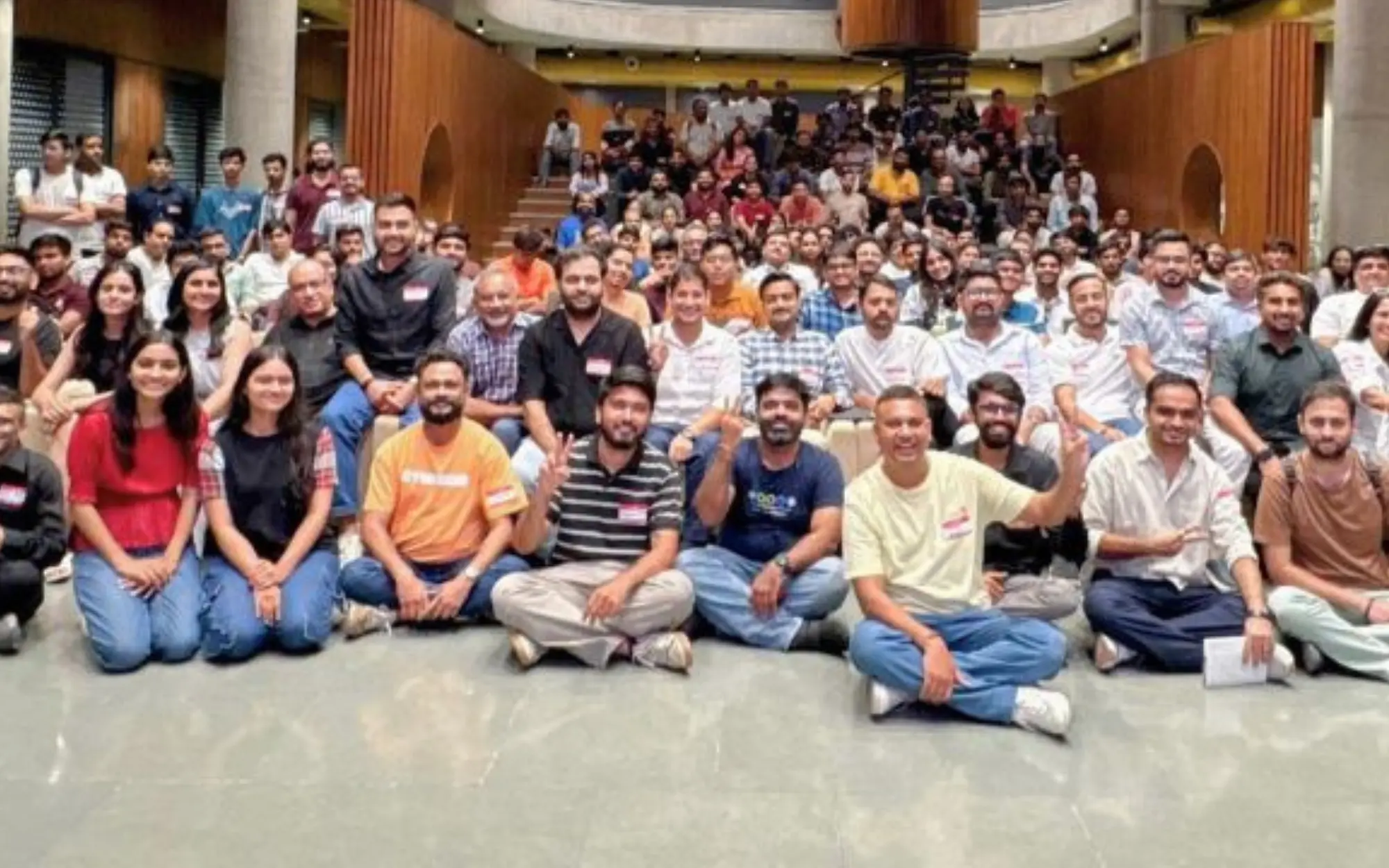
Founders who came to their first meetup years ago are still turning up, in cities they hadn’t moved to yet.
With a profile, registering for a gathering takes one tap.
Join eChai