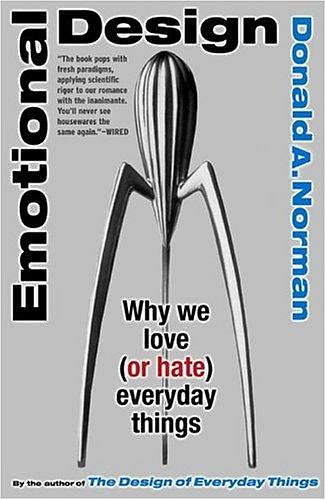
Emotional Design
Why We Love (or Hate) Everyday Things
Why beautiful things often work better than plain ones.
Norman argues that emotion is central to how we experience and judge the things we use, not a superficial add-on. He proposes three levels of design: visceral (appearance), behavioral (use), and reflective (meaning and identity). The book shows why attractive products can feel easier to use and why design must engage feelings as well as function.
Founders often treat aesthetics and emotion as secondary to functionality, but Norman shows they shape adoption, loyalty, and perceived usability. Understanding the visceral, behavioral, and reflective layers helps teams build products people love rather than merely tolerate.
Sign in to mark this read or add it to your want-to-read list.
Questions, answered
What is Emotional Design about?
Founders often treat aesthetics and emotion as secondary to functionality, but Norman shows they shape adoption, loyalty, and perceived usability. Understanding the visceral, behavioral, and reflective layers helps teams build products people love rather than merely tolerate.
Where can I find books founders recommend?
The eChai founder bookshelf ranks the books founders in the network recommend to each other.