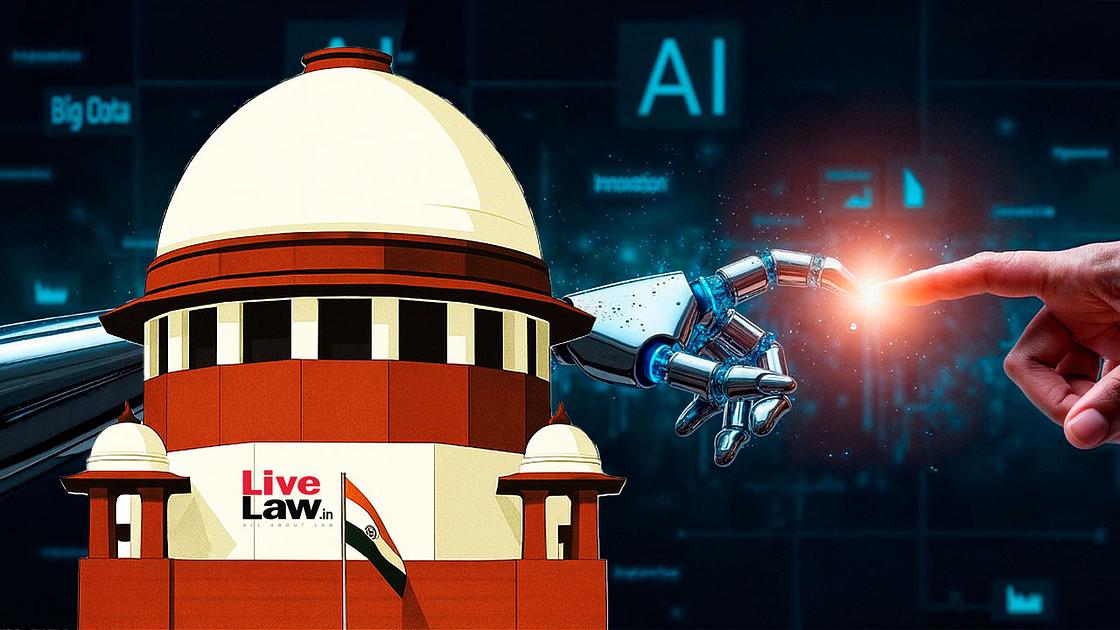
In Christian Louboutin SAS v. M/s The Shoe Boutique-Shutiq (22 August 2023), the Delhi High Court, dealing with a trademark dispute in which a party had leaned on ChatGPT, held plainly that "the responses generated by ChatGPT cannot be the basis of adjudication of legal or factual issues in a court of law." The Court cautioned against "fictional case laws" and "imaginative data," and placed AI firmly in the category of a tool for preliminary understanding, not a source of authority.
Curated from blog.ipleaders.in · 6 July 2026 →
India's courts said this early. The Delhi High Court's Louboutin ruling is from August 2023, two months after Mata v. Avianca in New York, and it has been quoted in Indian courtrooms ever since. What followed anyway: a tax tribunal in Bengaluru recalling an order of roughly 669 crore rupees over four citations that do not exist; the Bombay High Court quashing a faceless tax assessment of about 27.91 crore in October 2025 because it rested on three invented precedents; and a 50,000 rupee cost order from the same court in January 2026, where what gave the submission away was not the citation but the writing, green tick marks copied out of a chat window and phrasing that repeated itself. The consequence that matters commercially is in the second of those: the order collapses, and the matter reopens.