-
Image from Colossus
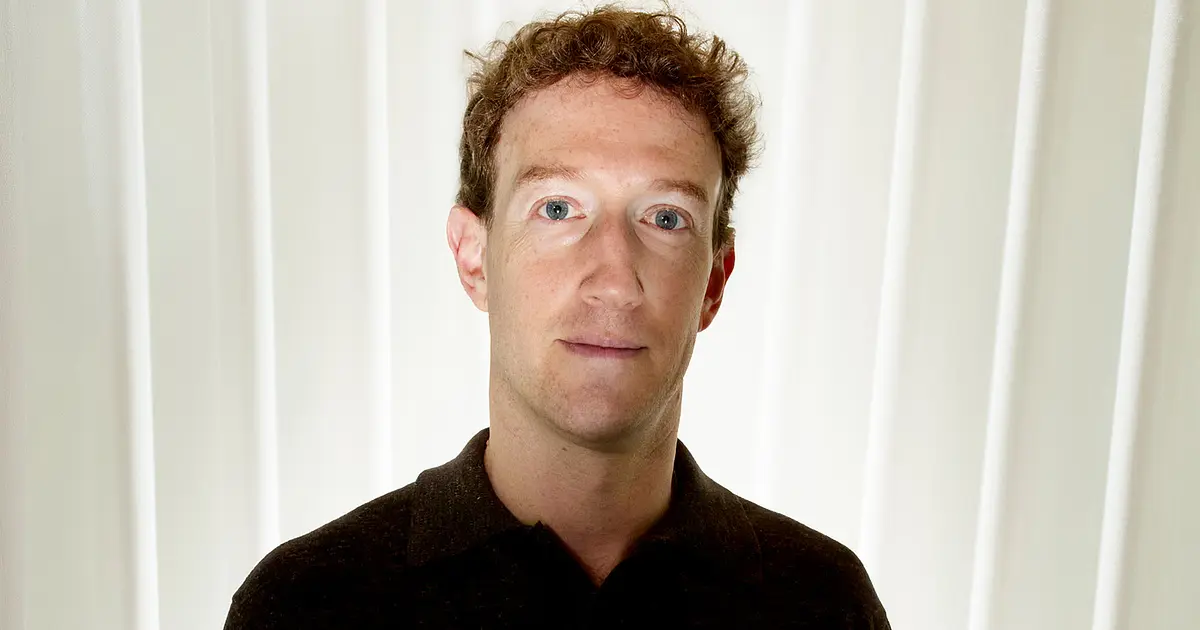
Jeremy Stern, the editor-in-chief of Colossus, spent a summer around Mark Zuckerberg: a morning in the fighting studio at Lake Tahoe, the AI glasses launch in New York, a sitting with his parents, and Shabbat dinner with his family. The profile turns on what scholars call the dictator’s dilemma, the ruler whose court stops telling him what he does not want to hear, and Stern reads Zuckerberg’s habits against it: the direct reports of his direct reports, the outsiders invited in to argue, three mornings a week of getting punched. It also tells the eleven weeks after Llama 4, when he folded FAIR into Meta Superintelligence Labs and replaced a decade of AI people and strategy, and asks his competitors to steelman the case that he wins. The extract is that problem stated whole, and anyone who has been the last word in their own company for a few years will know the shape of it.
Jeremy Stern, in Colossus
The idea is simple and intuitive: The more power a man acquires, the more his empire expands, the more he depends on other people for information about everything from his own court to the furthest reaches of the empire. And yet through fear or awe or self-preservation, those people often become less willing to tell him what they think he doesn’t want to hear, leaving him increasingly insulated from reality even as the consequences of his decisions become larger, and as the barriers to believing one’s own bullshit fall away.

eChai Partner Brands
The partnership →