Founder Notes

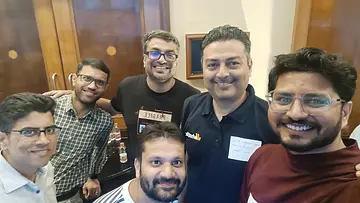
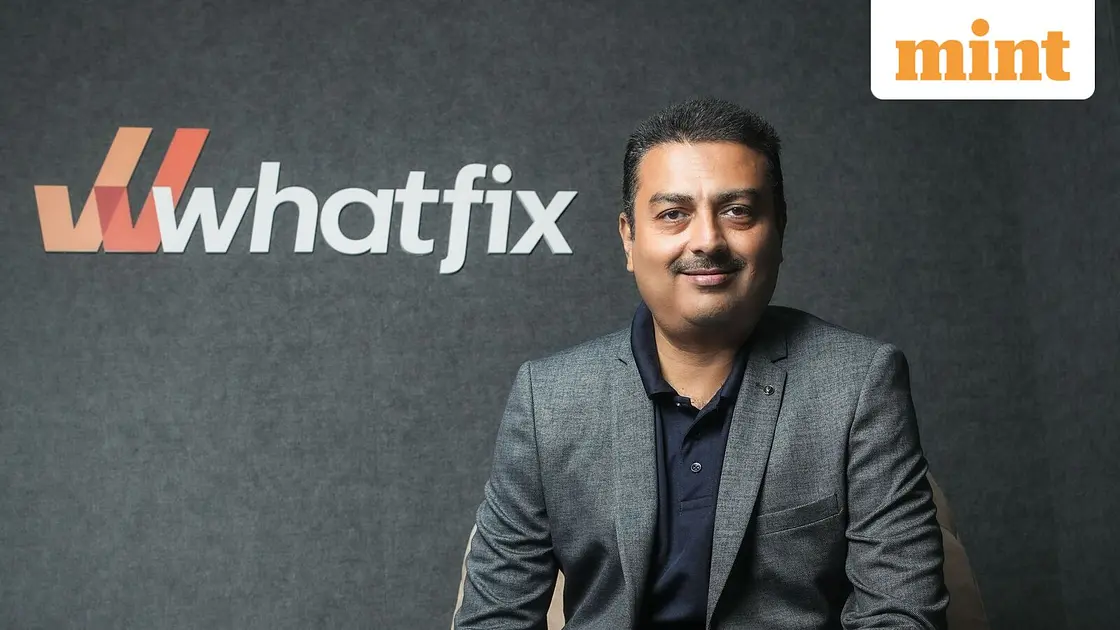
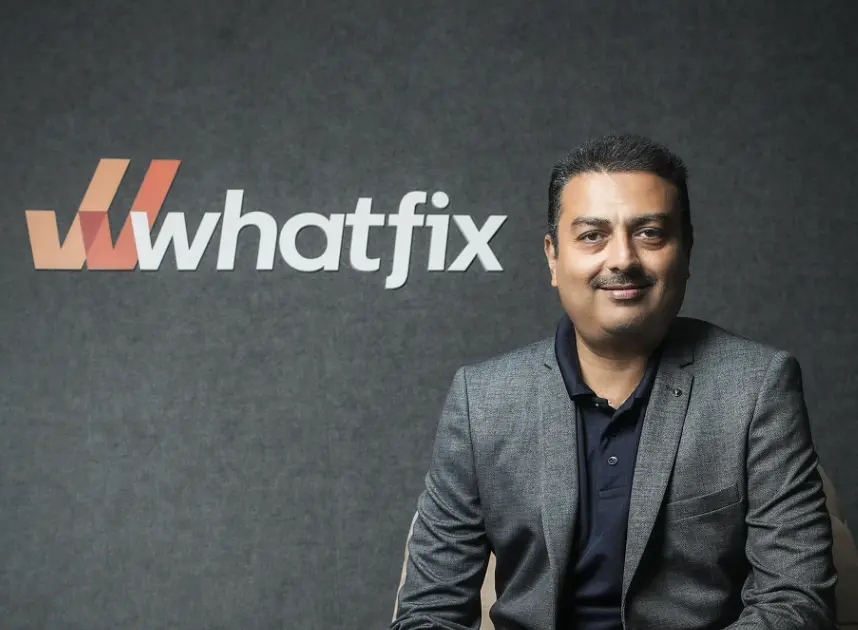
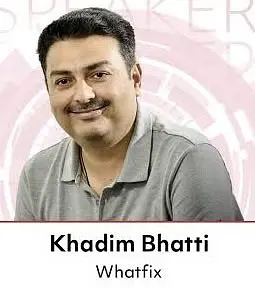
Remembering Khadim Batti

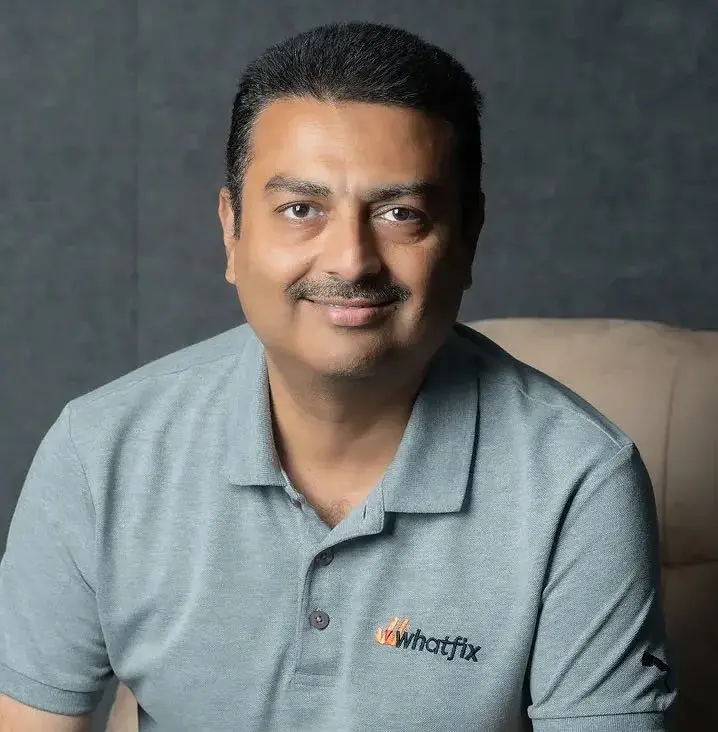
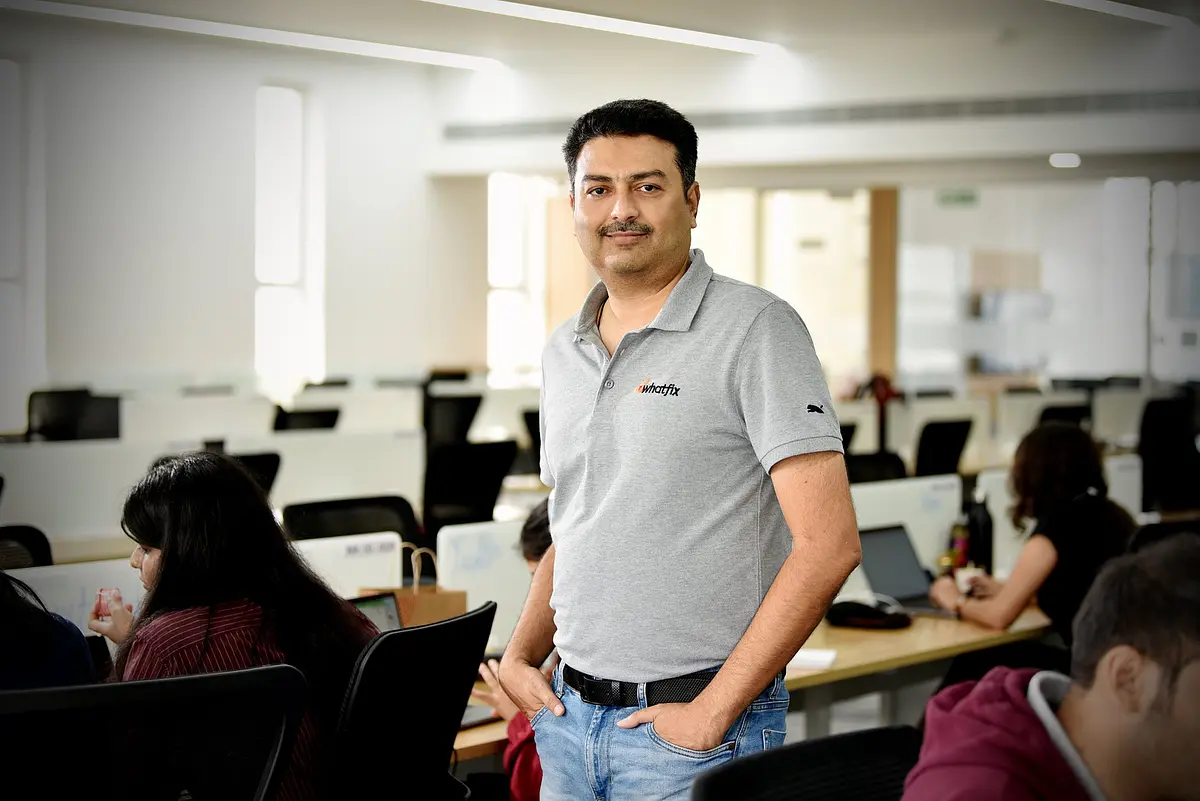
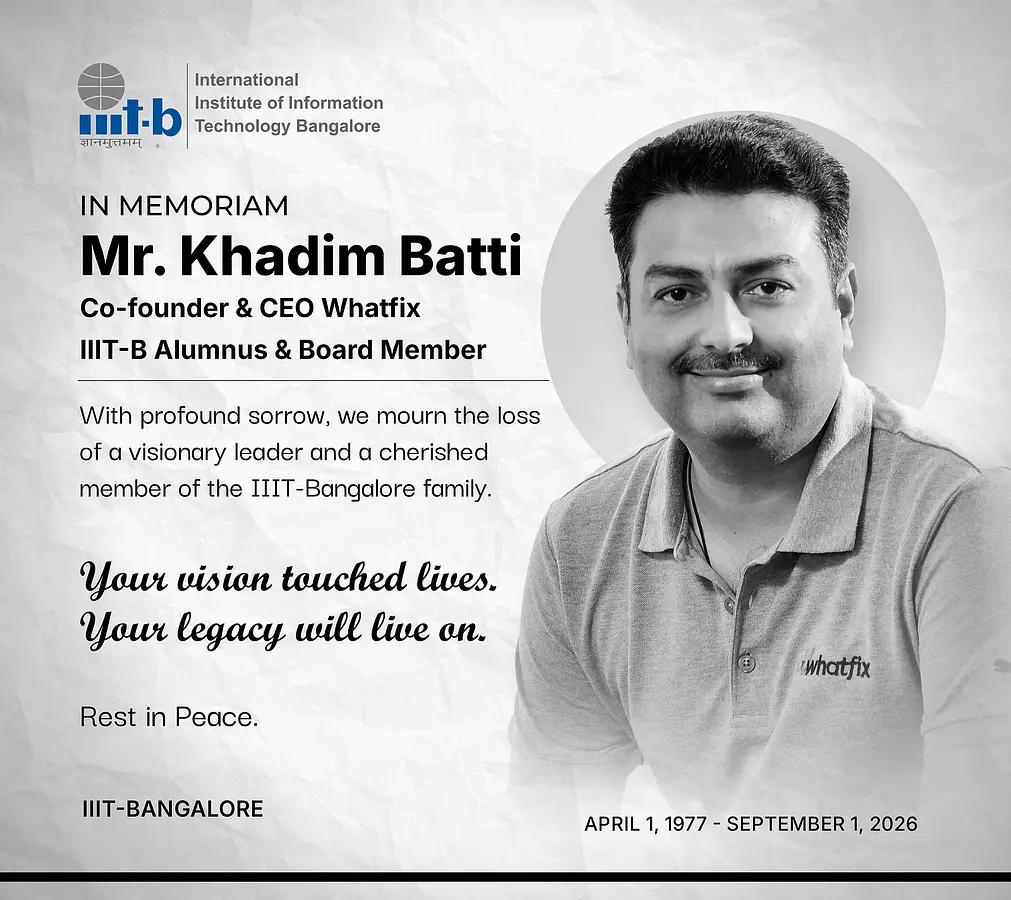
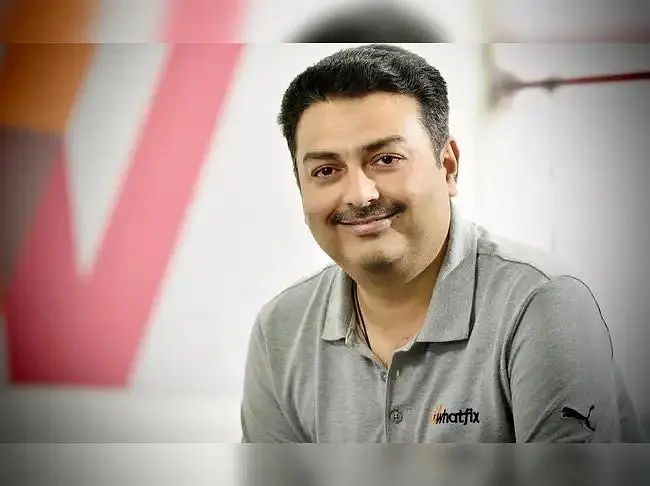
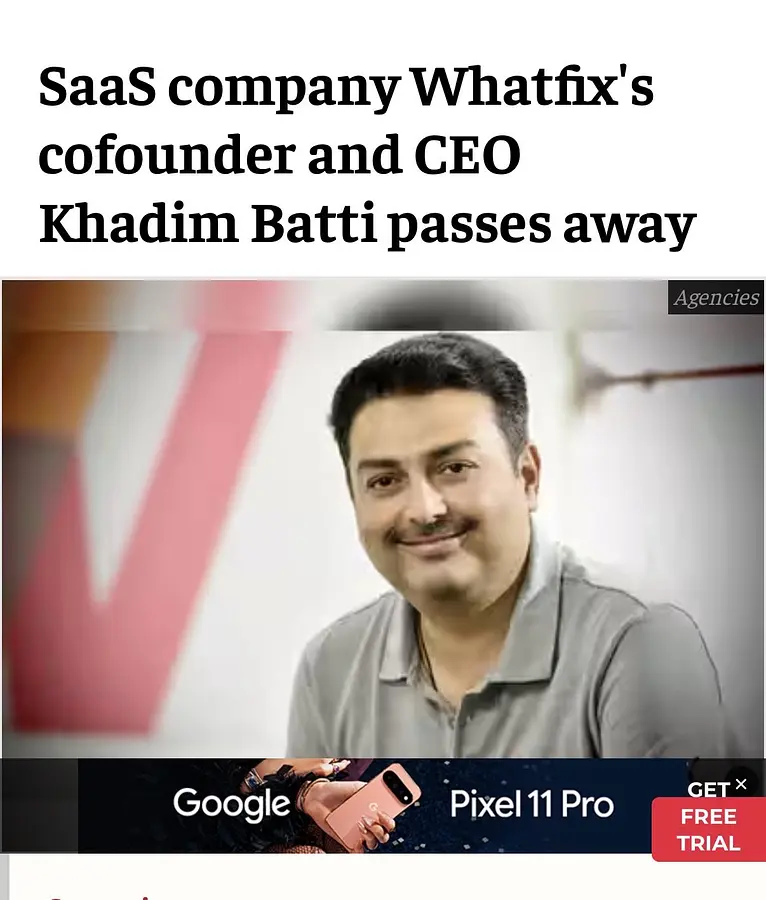
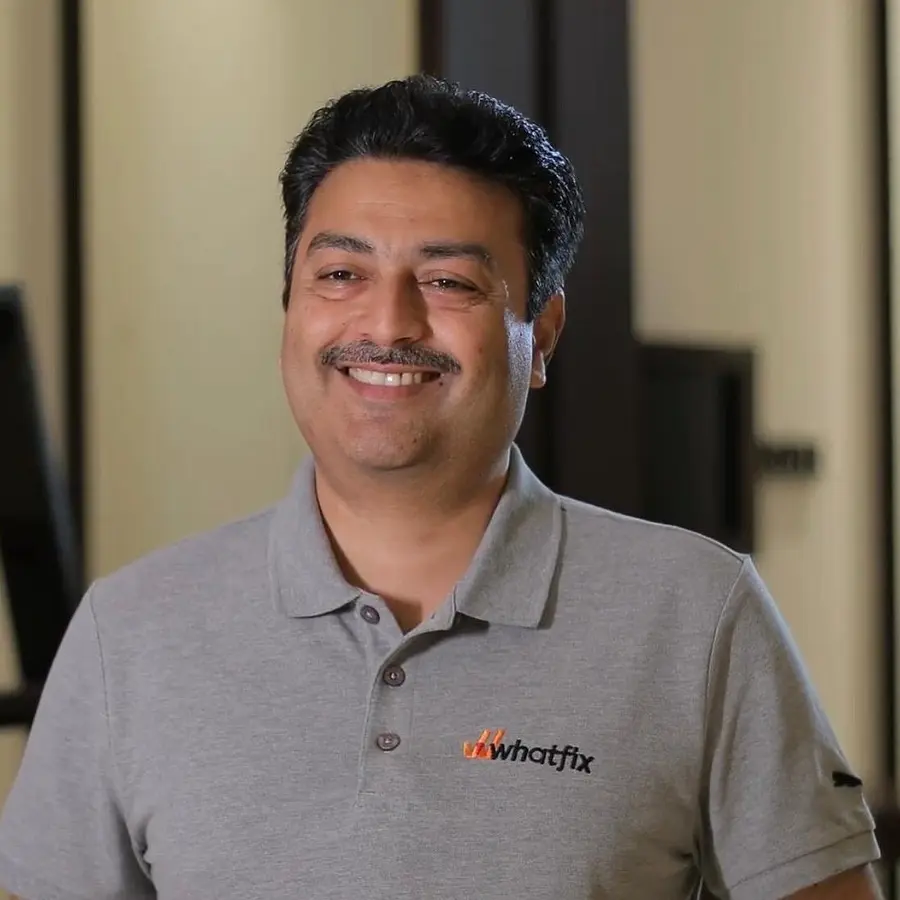
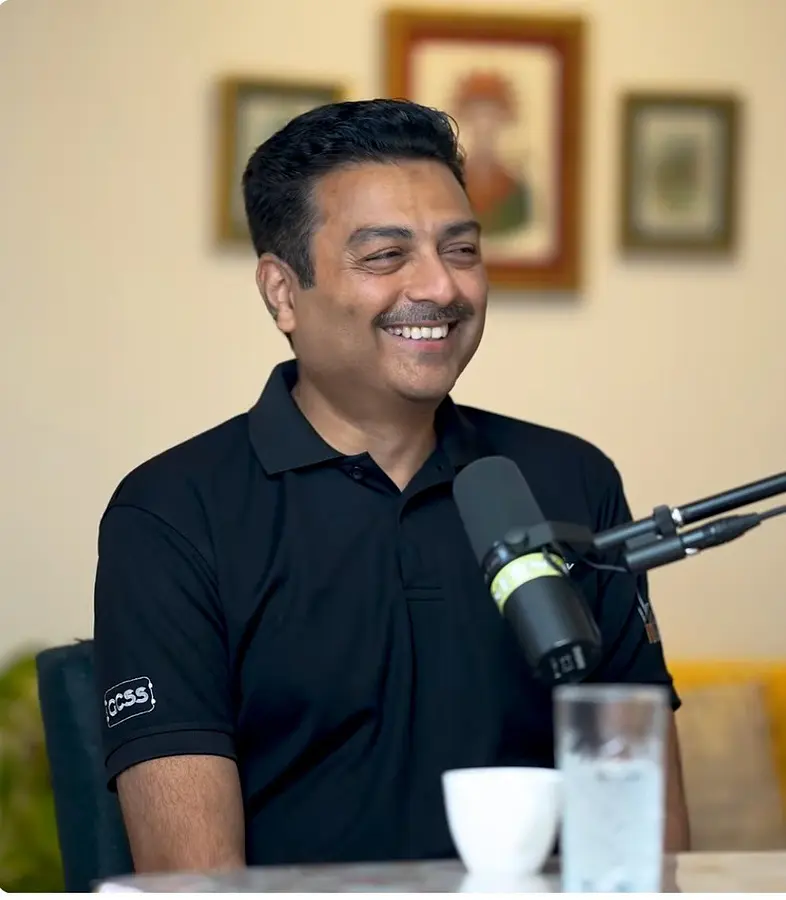
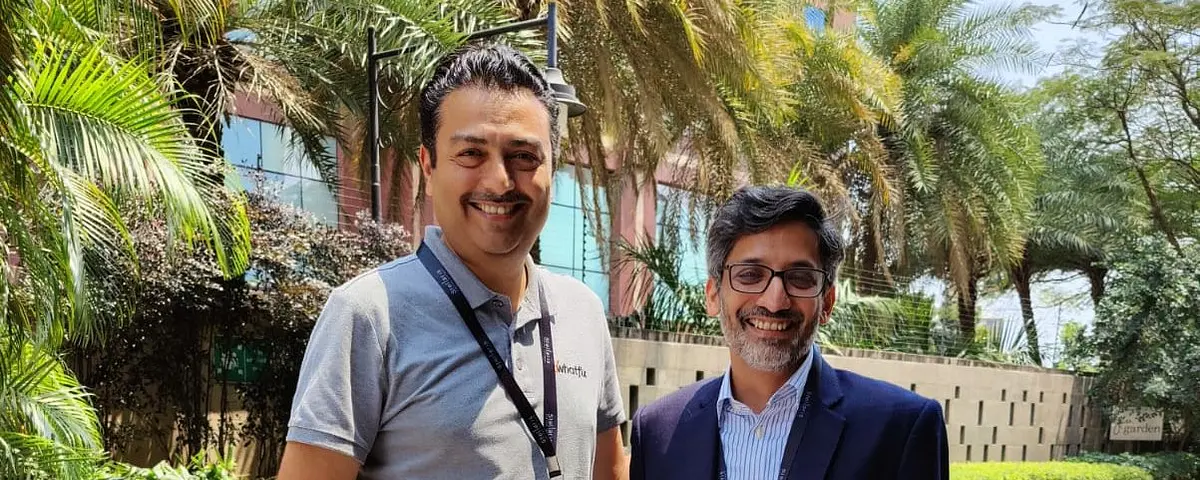
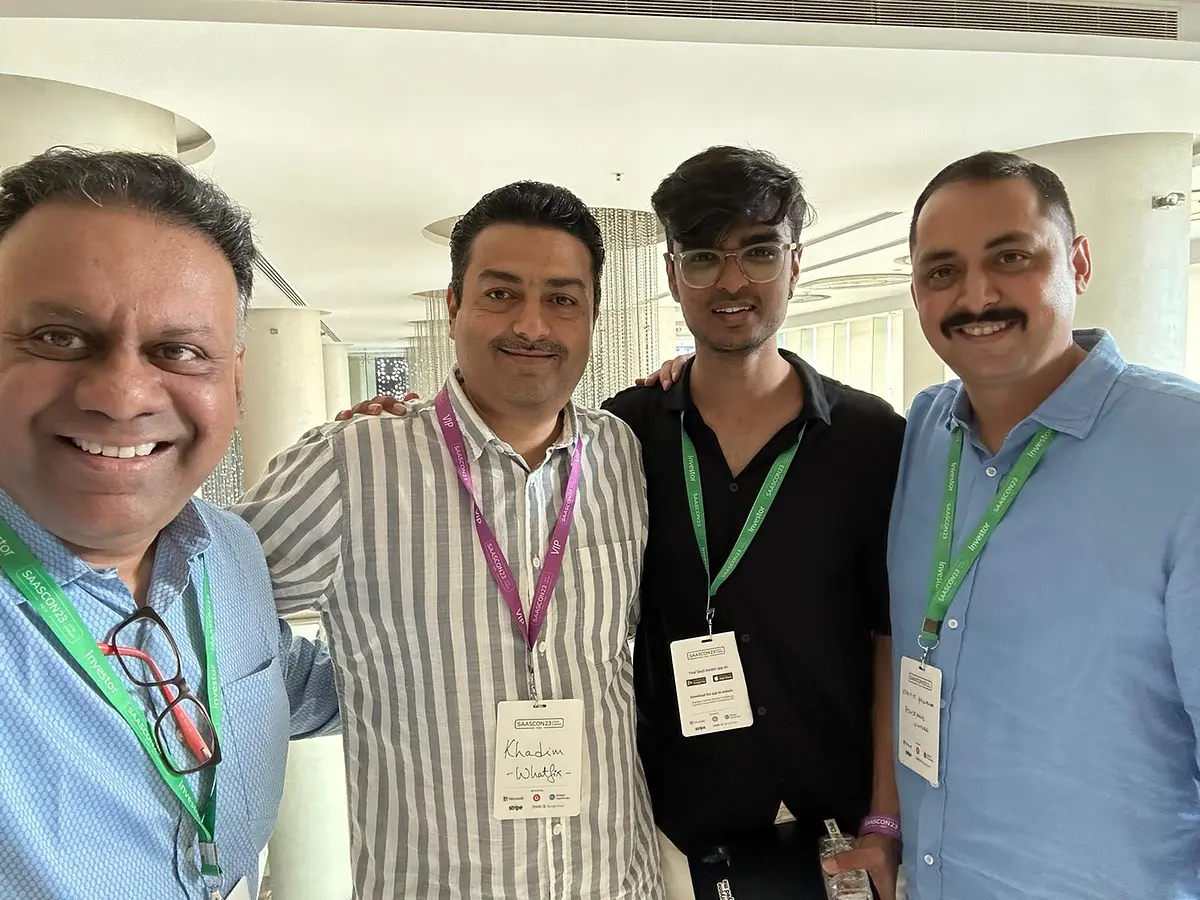
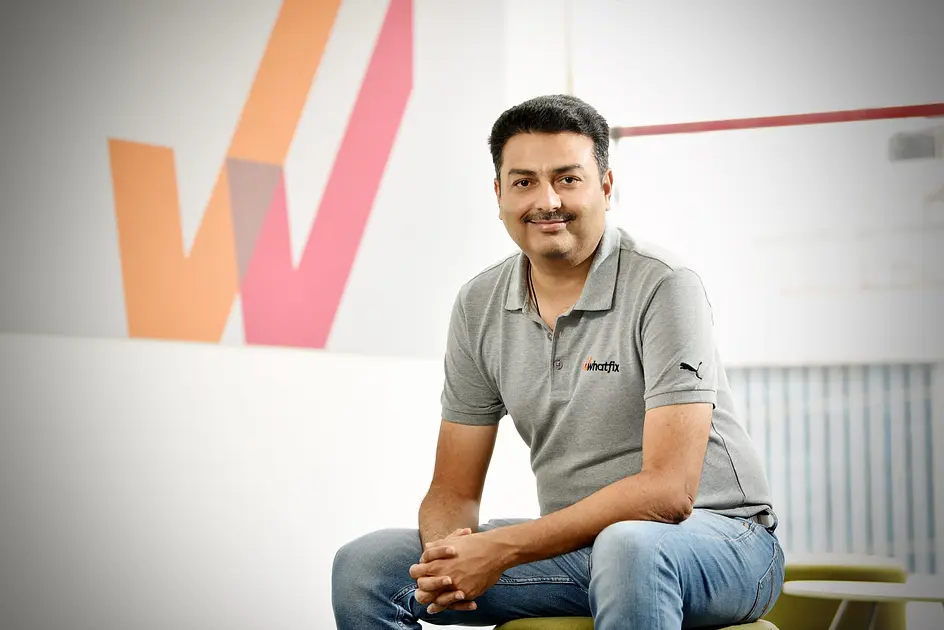
Khadim Batti, co-founder and CEO of Whatfix, passed away on 1 September.

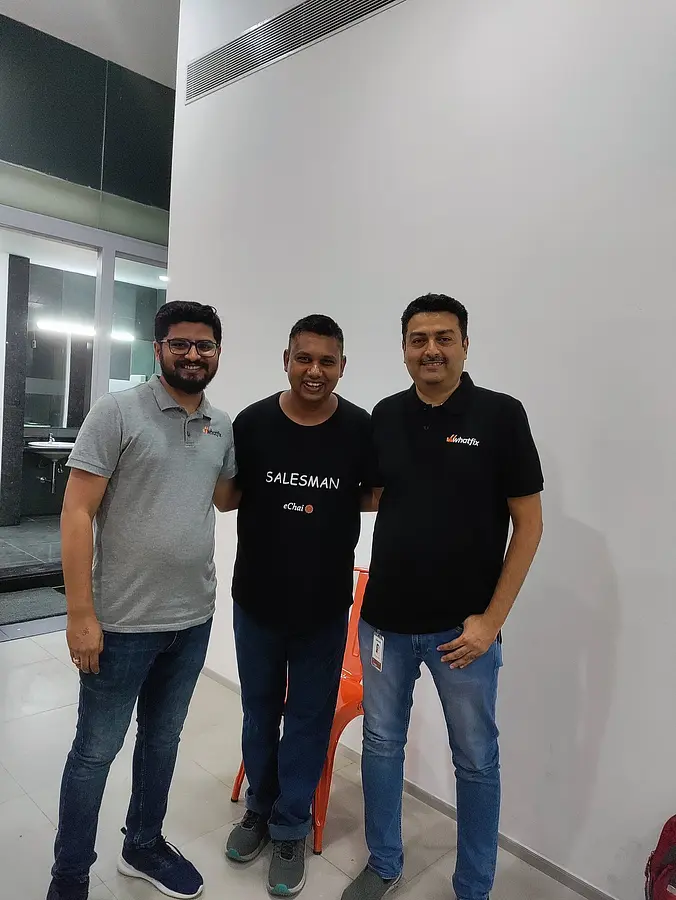
He co-founded Whatfix with Vara Kumar Namburu in 2014 and built it out of Bengaluru into a global enterprise software company. He was one of the most respected founders in Indian SaaS, and one of the most helpful. He made time for other founders, and was candid about how Whatfix had actually been built, including the years when it did not work.

Remembering Khadim Batti

More Founder Notes

  • New launch Curated from X →

    Bolt builds web apps from a description written in plain words. It now works inside Microsoft Teams and Copilot.

    bolt.new bolt.new 2w

    Bolt for @MicrosoftTeams is live on the @Microsoft Marketplace.

    Open Teams or Copilot, describe what you want, get a build plan, ship it.

    Add it to your workspace 👇️
    https://bolt.fyi/EknHI7I

  • Major update Curated from X →

    Malte Ubl is Vercel's CTO, and this is Vercel turning on a new browser security standard for everyone who signs in to vercel.com.

    Malte Ubl Malte Ubl 2w

    Today we are starting the rollout of Device Bound Session Credentials (DBSC) for vercel.​com

    DBSC makes it impossible to steal session cookies from a device. So, if you install info-stealer malware (e.g. through a supply chain attack), that malware can not steal your vercel.​com session.

    Malware can still do bad things while residing on the device. But the abuse we are seeing in practice separates the stealing from the eventual abuse, and DBSC effectively prevents this.

    DBSC works by storing a private key in your device's TPM (the same device that the fingerprint sensor or similar biometric devices on your laptop or phone uses) and using that key to sign your cookie. The private key can never be retrieved ever again. Not by us, not by you, not by the malware.

    Every website should use DBSC but given how new of a technology it is, we still need to build more experience in rolling it out. In our case there were lots of special cases for things like oauth apps that we needed to resolve. This is also why we are taking a slow approach to the rollout.

    DBSC is currently only supported by Chrome on Mac and Windows. We are also working on a kind of polyfill for other browsers. However, the polyfill is less secure and we would love to see broader browser adoption.

    There is a related technology called DPoP which is essentially the same but for apps that run on your device. We're in the process of shipping this for Vercel CLI. Ideally, all CLIs and apps would adopt this technology. Luckily rolling out DPoP is much easier than DBSC and it does not depend on browser vendor support.

  • Open source Curated from X →

    Prukalpa Sankar co-founded Atlan, a data company started in India. AI Registry is one shared home for the skill files AI tools read, so a company keeps one copy rather than one per tool.

    Prukalpa Sankar Prukalpa Sankar 2w

    Every human. Every agent. Same skills. Any AI tool.

    Last week at Context Conference we open-sourced AI Registry to make that possible.

    The problem it fixes: open formats for skills already exist, but every tool keeps its own registry of them, in its own format, on its own storage. Switch tools and you copy your skills over. Update one and you copy again. Twenty teammates, twenty versions.

    Data went through this a decade ago. Iceberg fixed it with an open table format on storage you own, and the copying stopped. AI Registry does the same for skills. Your SKILL.md files are the Parquet, the spec is the table format.

    We built it because we needed it. 1,100 skills written at Atlan this year, scattered across laptops, every improvement sent as a Slack message. Now a fix lands once and the whole company has it by the next session.

    Your skills are your company's know-how. IMO they shouldn't live or die with a vendor. Including us.

    v0.1 is open source today. Links in the reply.

Every note →