What did Postman do differently to get developers to adopt before it ever sold anything?
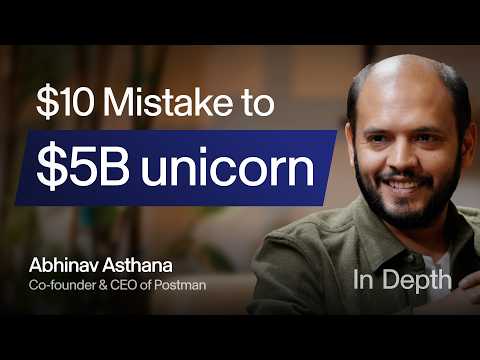
Postman began in 2012 as Abhinav Asthana's side project, a small HTTP client he put on the Chrome Web Store to fix his own API testing pain. Adoption came from places developers already were, Stack Overflow answers and GitHub, not from marketing spend. Asthana has written that Postman deliberately did not build a sales team early and stood up customer success instead, so the relationship stayed about the user's job rather than a quota. Sales only arrived around 2018, once enterprise demand was already loud, and even then it was triggered by signals like many developers at one company using the tool or a CTO writing in. That sequencing, individual adoption first and the commercial conversation second, is the whole trick.
Go deeper
5 resources, 4 India-specific, 5 link-checked.
📄 Article
✓ Link checkedIndiaFreeIntermediate
Asthana says plainly that Postman built customer success instead of a sales team early on. That one staffing choice explains most of what people call Postman's PLG.
A useful breakdown of the signals Postman used to decide a company was ready for a sales conversation, such as many developers active at one account or a CTO reaching out. Practical if you are adding sales on top of self serve.
The founder's own account, including the detail that reframes the whole story: Postman was announced in a Stack Overflow thread, not launched, and reached nearly half a million users before major funding.
The best answer to what they did differently: the Chrome extension was chosen as the fastest path to working software, and Google featuring it was the distribution unlock.
The scale the free adoption eventually bought: 17 million developers, 500,000 organisations, and 98 percent of the Fortune 500, years before serious selling began.