The Founder Bookshelf
Books founders recommend to each other. Browse by topic or by where you are as you grow, mark what you've read, and add what's next.
65 books on Finance
-
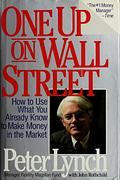
Ordinary observation can beat Wall Street's professionals.
Peter Lynch argues that everyday investors have an edge over Wall Street because they spot great products and companies in daily life before the pros do. He explains...
1 founder recommends Get the book ↗
-
The rich buy assets, not the appearance of wealth.
Kiyosaki contrasts the money lessons of his educated but cash-strapped poor dad with those of his entrepreneurial rich dad. He argues that financial education, owning...
1 founder recommends Get the book ↗
-
The foundational text that built modern value investing.
First published in 1934 in the wake of the Great Depression, Security Analysis is the rigorous, technical foundation of value investing. Graham and Dodd lay out a...
1 founder recommends Get the book ↗
-
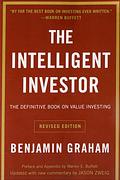
The timeless bible of disciplined value investing.
First published in 1949, The Intelligent Investor lays out Benjamin Graham's philosophy of value investing for the defensive and the enterprising investor. It teaches...
1 founder recommends Get the book ↗
-
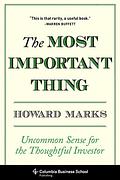
Why thinking differently and better beats being smart.
Drawn from Howard Marks's celebrated investor memos, the book distills his philosophy into themes like second-level thinking, the price-value relationship, and...
1 founder recommends Get the book ↗
-
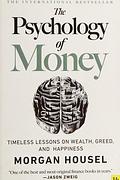
Doing well with money is about behavior, not intelligence.
Through a series of short stories, Morgan Housel argues that financial success is less about what you know and more about how you behave. He explores how greed, fear,...
1 founder recommends Get the book ↗
-
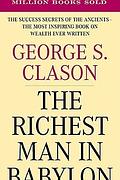
Pay yourself first and let savings compound.
Through a set of parables set in ancient Babylon, the book teaches timeless principles of personal finance such as saving at least a tenth of what you earn and putting...
1 founder recommends Get the book ↗
-
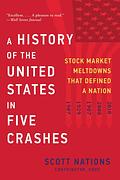
Five market crashes and the lessons they left behind.
A History of the United States in Five Crashes examines five major American stock market meltdowns: the Panic of 1907, Black Tuesday in 1929, Black Monday in 1987, the...
-
Why low-cost index funds usually beat stock pickers.
Malkiel popularizes the random walk hypothesis, arguing that stock prices move unpredictably and that few investors can consistently beat the market. He surveys...
-
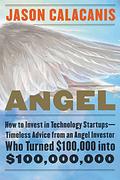
A blunt playbook for getting into early-stage tech investing.
Jason Calacanis lays out how an outsider can break into angel investing in technology startups. He covers building deal flow, evaluating founders, picking winners, and...
-
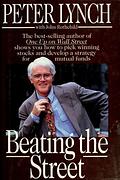
How a legendary fund manager picks winners by doing the homework.
Peter Lynch walks through how he picked stocks at Fidelity's Magellan Fund and how individual investors can do the same. He details his research process, his approach...
-
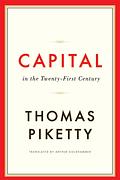
When returns on capital outpace growth, wealth concentrates.
Piketty draws on centuries of data to analyze wealth and income inequality across Europe and the United States. His central thesis is that when the return on capital...
-
Economic freedom is the foundation of political freedom.
Friedman argues that competitive capitalism and free markets are essential to individual liberty and political freedom. He makes the case for limited government and...
-
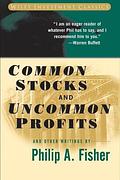
How to find great growth companies and hold them.
Philip Fisher argues that the biggest investment gains come from buying outstanding growth companies and holding them for the long term. He introduces the scuttlebutt...
-
The insider-trading scandals that defined 1980s Wall Street.
Den of Thieves details the insider-trading scandals of the 1980s centered on figures like Ivan Boesky and Michael Milken. James B. Stewart reconstructs how a web of...
-
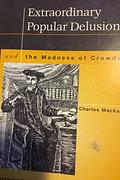
The original field guide to bubbles, manias, and herd behavior.
Extraordinary Popular Delusions and the Madness of Crowds is a 19th-century survey of mass folly, from the Tulip mania and the South Sea Bubble to the Mississippi...
-
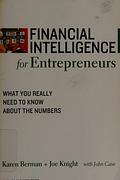
Read your own financials and understand what the numbers really mean.
A practical guide that teaches entrepreneurs how to read and use the three core financial statements: income statement, balance sheet, and cash flow. It demystifies...
-
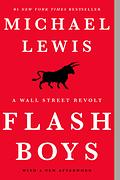
How high-frequency traders rigged the stock market, and who fought back.
Flash Boys investigates how high-frequency trading firms exploited tiny speed advantages to front-run ordinary investors. It follows a group led by Brad Katsuyama who...
-
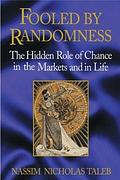
We mistake luck for skill far more than we admit.
Nassim Taleb argues that humans routinely confuse luck with skill and underestimate the role of chance in life and markets. Drawing on probability, psychology, and his...
-
Using economics and data to explain the hidden side of everything.
Levitt and Dubner apply economic tools to unconventional questions, from cheating teachers to the inner workings of drug gangs. The book argues that incentives explain...
-
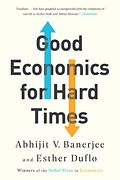
What the evidence really says about our hardest economic problems.
Good Economics for Hard Times applies rigorous research to today's most contentious issues, including immigration, trade, inequality, automation, and growth. Banerjee...
-
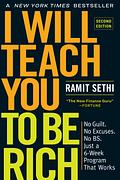
Automate your money and spend guilt-free on what you love.
A practical six-week program that teaches young professionals to optimize credit cards, banks, investing, and spending through automation. Sethi argues for spending...
-
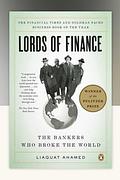
How four central bankers steered the world into the Depression.
Lords of Finance tells the story of the four central bankers whose decisions in the years between the world wars helped trigger the Great Depression. Liaquat Ahamed...
-
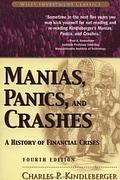
The classic anatomy of how financial bubbles form and burst.
Manias, Panics, and Crashes lays out a recurring pattern behind financial crises: a wave of speculation, a credit-fueled mania, a sudden panic, and a crash. Charles...
-
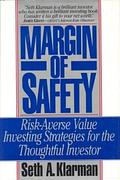
Protect your downside first, and the upside takes care of itself.
Seth Klarman lays out a risk-averse approach to value investing, centered on buying assets well below their intrinsic value to leave a cushion against error. He...
-
Top traders explain how they really beat the market.
Schwager interviews some of the most successful traders of the era to uncover what separates them from the rest. Across markets and styles, common threads emerge...
-
Read where you are in the cycle to tilt the odds.
Howard Marks explores the recurring cycles in economies, markets, and investor psychology, arguing that recognizing where you stand in a cycle improves your odds. He...
-
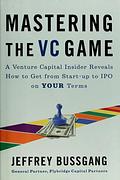
A two-sided guide to playing the venture game and winning.
Jeffrey Bussgang draws on his experience as both founder and VC, plus interviews with entrepreneurs like Jack Dorsey and Reid Hoffman, to explain how the venture game...
-
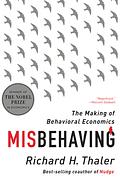
How economics learned that humans are not perfectly rational.
Thaler tells the story of how behavioral economics grew from a fringe idea into a mainstream discipline. He recounts his own career and the resistance he faced arguing...
-
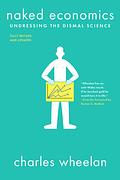
Economics made plain, useful, and surprisingly readable.
Naked Economics strips the jargon out of economics and explains how markets, incentives, prices, and policy actually work in everyday life. Charles Wheelan walks...
-
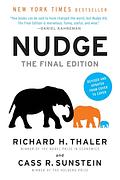
Small design choices can steer better decisions without removing freedom.
Thaler and Sunstein argue that the way choices are presented, the choice architecture, profoundly shapes the decisions people make. They introduce libertarian...
-
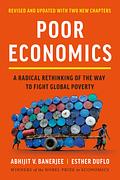
Fighting poverty by testing what actually works.
Poor Economics draws on years of randomized controlled trials to examine how the world's poor actually make decisions about health, education, savings, and risk....
-
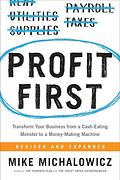
Take your profit first, then run the business on what is left.
Profit First flips the conventional accounting formula from Sales minus Expenses equals Profit to Sales minus Profit equals Expenses. Michalowicz lays out a behavioral...
-
A toolkit for how VCs value, structure, and fund a company.
Berkery lays out the mechanics of how venture capitalists finance companies: what they look for in a business plan, how they value an early-stage venture, and how they...
-
A century-old trader's tale on greed, fear, and timing.
Told as the memoir of speculator Larry Livingston, the book traces a trader's rise, ruin, and recovery across early twentieth century markets. It captures the...
-
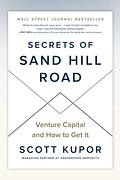
An insider's field guide to how venture capital really works.
Scott Kupor of Andreessen Horowitz pulls back the curtain on how venture capital firms raise money, choose startups, and structure deals. He walks founders through...
-
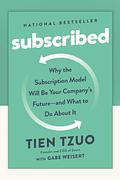
The world is shifting from owning products to subscribing to outcomes.
Tzuo argues that customers increasingly prefer ongoing access over one-time ownership, pushing every industry toward subscription models. The first half traces the...
-
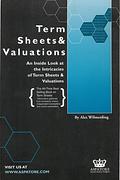
A clause-by-clause walkthrough of a real VC term sheet.
This short, practical guide breaks down a venture capital term sheet section by section, explaining what each clause means and what can be negotiated. It includes an...
-

A healthy organization beats a smart one every time.
In his first straight nonfiction book, Lencioni argues that organizational health, not just strategy or finance, is the single greatest competitive advantage. He lays...
-
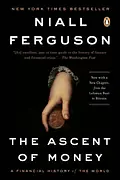
How money, credit, and finance shaped human history.
The Ascent of Money traces the evolution of finance from ancient lending and the birth of banking through bonds, stock markets, insurance, and real estate. Niall...
-
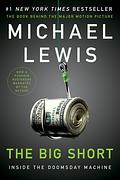
How a handful of outsiders saw the housing crash coming.
The Big Short follows a small group of investors who recognized that the subprime mortgage market was a fraud waiting to collapse and bet against it. Michael Lewis...
-
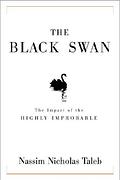
The rare, unpredictable events are the ones that matter most.
Nassim Taleb examines black swans: rare, high-impact events that are unpredictable in advance yet rationalized in hindsight. He critiques our overreliance on...
-
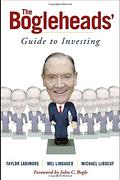
Plain advice on low-cost, long-term index investing.
Drawn from the Bogleheads online community, the book offers straightforward guidance on building wealth through low-cost index funds, diversification, and sensible...
-
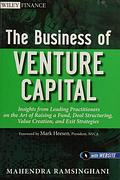
A practitioner's manual for the inner workings of a VC fund.
Mahendra Ramsinghani offers a comprehensive look at venture capital from the investor's operational side, covering how funds are raised, deals are structured, value is...
-
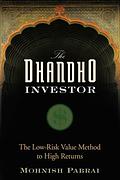
Heads I win, tails I do not lose much.
Pabrai distills a low-risk, high-return value investing framework inspired by Indian Gujarati business owners and Warren Buffett. He emphasizes buying simple,...
-
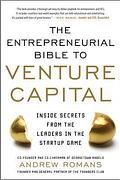
Inside secrets on venture capital from the people who run it.
Romans compiles advice and insider perspectives from leading venture capitalists, angel investors, and entrepreneurs on how startup funding really works. The book...
-
Buffett's shareholder wisdom, organized into a coherent philosophy.
Lawrence Cunningham curates and thematically arranges Warren Buffett's Berkshire Hathaway shareholder letters into a structured book on investing and business. It...
-
Why economies get stuck and how demand drives employment.
Keynes challenges classical economics by arguing that aggregate demand, not just supply and self-correcting markets, determines overall output and employment. He...
-
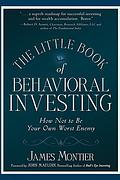
Beat the biggest investing risk: your own brain.
Montier walks through the most common psychological biases that sabotage investors, from overconfidence and loss aversion to herd behavior. Drawing on research in...
-
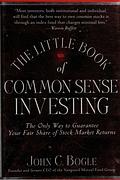
Own the whole market, keep costs low, and win.
John Bogle makes the simple, powerful case for low-cost index fund investing. He shows how fees, taxes, and trading costs quietly erode returns, and argues that buying...
-
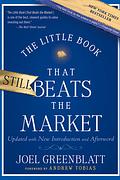
A simple formula for buying good companies cheap.
Greenblatt lays out his magic formula, a simple rules-based method of buying good businesses at bargain prices using return on capital and earnings yield. Written in...
-
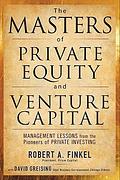
Lessons in private investing straight from the field's pioneers.
The book collects interviews and case studies with leading private equity and venture capital investors, drawing out the management lessons behind their biggest deals....
-
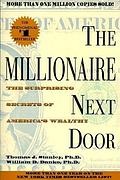
Most real millionaires live below their means, not large.
Based on years of surveys, the authors show that most American millionaires are not flashy spenders but disciplined savers who live frugally, budget carefully, and...
-
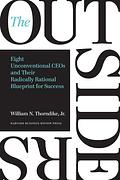
Eight contrarian CEOs who crushed the market by mastering capital allocation.
The book profiles eight unconventional CEOs (including Warren Buffett, Tom Murphy, and Katharine Graham) whose companies dramatically outperformed the S&P 500. Their...
-
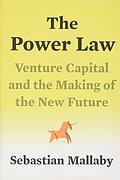
The definitive history of venture capital and the bets that built tech.
Drawing on unprecedented access to leading firms like Sequoia, Kleiner Perkins, Accel, and Andreessen Horowitz, Sebastian Mallaby chronicles how venture capitalists...
-
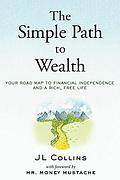
Buy low-cost index funds and stop overthinking it.
Written originally as letters to his daughter, Collins lays out a straightforward approach to building wealth through low-cost broad-market index funds. He explains...
-
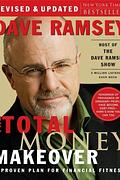
Get out of debt with a clear step-by-step plan.
Ramsey lays out a sequence of baby steps to escape debt, build an emergency fund, and build wealth, starting with the debt snowball method. He emphasizes behavior and...
-
The hidden economics behind coffee, cars, and prices.
Harford reveals the economic logic behind everyday transactions, from why a cup of coffee costs what it does to why some countries stay poor. He explains scarcity...
-

The founding text of free-market economics.
Smith's landmark treatise is the first comprehensive system of political economy, treating economics as a subject in its own right. He argues that the division of...
-
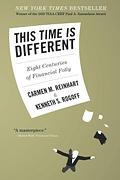
Eight centuries of data showing crises always rhyme.
This Time Is Different analyzes financial crises across sixty-six countries and eight centuries, covering government defaults, banking panics, currency crashes, and...
-
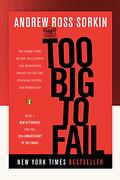
A blow-by-blow account of the 2008 crisis as it unfolded.
Too Big to Fail is a detailed, behind-the-scenes narrative of the 2008 financial crisis and the collapse of Lehman Brothers. Andrew Ross Sorkin reconstructs the...
-
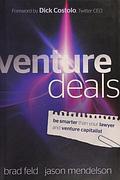
Decode the term sheet so you can negotiate as an equal.
Two experienced venture capitalists walk founders through exactly how a venture deal works, from term sheets and valuations to the economics and control provisions...
-
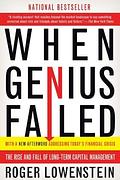
How brilliant minds and too much leverage nearly broke the financial system.
When Genius Failed chronicles the rise and spectacular collapse of Long-Term Capital Management, a hedge fund staffed with Nobel laureates and star traders. Their...
-
Find profits hidden where most investors never look.
Greenblatt shows how individual investors can find outsized returns in overlooked special situations like spin-offs, restructurings, and merger securities. He argues...
-
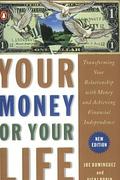
Money is life energy, so spend it deliberately.
The book reframes money as the life energy you trade your hours for, then walks through a nine-step program to track every dollar, cut spending, and align money with...
Questions, answered
What books do founders recommend?
Founders on the eChai network recommend titles like One Up on Wall Street, Rich Dad Poor Dad, and Security Analysis. The bookshelf ranks books by how many founders have read them.
Where can I find a startup reading list?
The eChai founder bookshelf is a curated, founder-recommended reading list you can browse by topic (fundraising, product, hiring) and by stage.
How is the bookshelf ordered?
By recommendation: the more founders mark a book read, the higher it ranks. You can also sort by newest or A to Z.