The Founder Bookshelf
Books founders recommend to each other. Browse by topic or by where you are as you grow, mark what you've read, and add what's next.
62 books on Leadership & Management
-
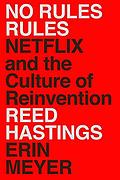
High talent density plus radical candor minus controls.
Hastings and Meyer reveal the unusual management philosophy behind Netflix, built on three moves: raise talent density, increase candor, then progressively remove...
3 founders recommend Get the book ↗


-
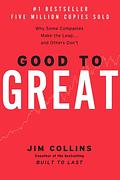
What separates merely good companies from truly great ones.
Jim Collins and his research team studied companies that made a sustained leap from good to great results and compared them to peers that did not. They identify common...
2 founders recommend Get the book ↗

-
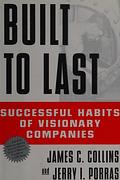
What separates enduring great companies from the merely good ones.
Based on a six-year study at Stanford, the book compares eighteen visionary companies against close competitors to find what made them last for decades. The authors...
1 founder recommends Get the book ↗
-
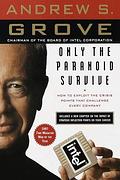
Spot the strategic inflection point before it destroys your business.
Andy Grove introduces the strategic inflection point, the moment when the fundamentals of a business shift and the old way of competing stops working. Drawing on...
1 founder recommends Get the book ↗
-
A compact field guide for new managers in tech.
Lara Hogan offers a short, practical handbook for first-time and growing managers, especially in technology. She covers building trust, running effective one-on-ones,...
1 founder recommends Get the book ↗
-
Honest advice for the brutal decisions running a company forces on you.
Ben Horowitz shares hard-won lessons from building, running, and selling Opsware through dot-com collapse and constant crisis. Rather than offering tidy formulas, he...
1 founder recommends Get the book ↗
-

A systems toolkit for the messy problems of engineering management.
Will Larson treats engineering management as a series of solvable systems problems, from sizing teams and managing growth to handling technical debt and succession...
-
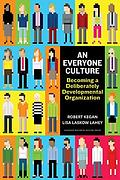
Build a company where everyone grows on the job.
Kegan and Lahey study Deliberately Developmental Organizations, companies that treat employees' personal growth as central to the business rather than a side benefit....
-
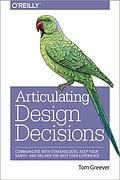
Great design dies in the meeting unless you can explain it.
This book focuses on the conversation that happens after the design is done, when you have to defend and explain your decisions to clients, executives, and teammates....
-
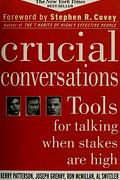
Handle high-stakes conversations without going silent or going to war.
The authors define crucial conversations as those where stakes are high, opinions differ, and emotions run strong. They offer a step-by-step method for staying in...
-
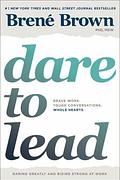
Brave leadership starts with the courage to be vulnerable.
Brown applies her research on vulnerability and courage to leadership, arguing that daring leaders lean into hard conversations rather than armor up. The book covers...
-
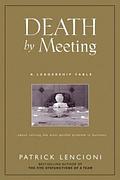
Bad meetings are not boring by accident, and they are fixable.
Through a business fable, Lencioni diagnoses why most meetings are tedious and ineffective and proposes a cure. He argues that meetings lack drama and contextual...
-
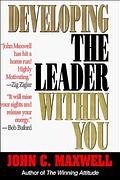
Leadership starts with developing yourself before leading others.
Maxwell's first and most enduring leadership book frames leadership as influence that can be cultivated through deliberate growth. He walks through traits and...
-
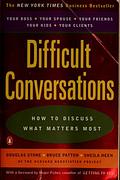
Break every hard talk into three conversations you can actually manage.
Drawing on the Harvard Negotiation Project, the authors argue that every difficult conversation is really three: the what-happened conversation, the feelings...
-
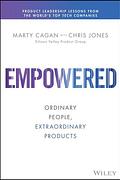
The leadership and coaching that turns teams into product powerhouses.
Empowered, the follow-up to Inspired, focuses on product leadership: how managers create the conditions for ordinary teams to build extraordinary products. Cagan and...
-
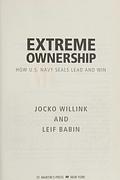
Leaders own everything in their world, no excuses.
Two former SEAL officers translate combat leadership into business principles, pairing battlefield stories with management applications. The core idea is extreme...
-
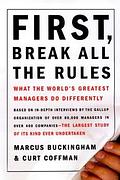
Great managers break conventional rules to grow people's strengths.
Based on Gallup's massive study of managers and employees, the authors find that great managers reject received wisdom and instead build on each person's natural...
-
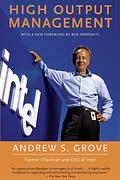
A manager's output is the output of their whole organization.
Andy Grove distills the management principles he used to run Intel into a practical operating manual for managers at any level. He frames management around leverage:...
-
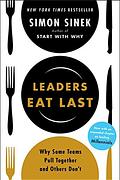
Great leaders sacrifice their comfort to keep their people safe.
Drawing on the Marine Corps principle that officers eat last, Sinek argues that the best leaders create a 'circle of safety' so their people can focus on shared goals...
-
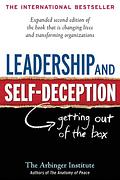
Most leadership failures start with deceiving yourself.
Told as a business fable, the book describes how leaders fall into a self-justifying mindset, being in the box, that distorts how they see other people. It argues that...
-
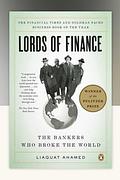
How four central bankers steered the world into the Depression.
Lords of Finance tells the story of the four central bankers whose decisions in the years between the world wars helped trigger the Great Depression. Liaquat Ahamed...
-
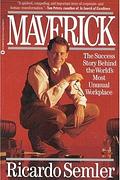
Hand employees real freedom and watch the company thrive.
Semler recounts how he tore up the rulebook at Semco, letting workers set their own hours, choose their managers, and even decide their pay. The book chronicles the...
-
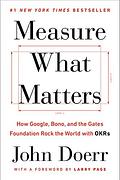
Set audacious goals that actually get done with OKRs.
Doerr lays out Objectives and Key Results (OKRs), the goal-setting system he carried from Intel into Google and dozens of other organizations. Through first-person...
-
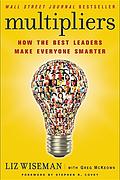
Great leaders multiply the intelligence of their teams.
Based on research across more than 150 leaders, Wiseman distinguishes Multipliers, who amplify the intelligence and capability of those around them, from Diminishers,...
-
Becoming a leader is an act of self-invention.
Bennis draws on interviews with prominent leaders to argue that leadership begins with knowing and fully expressing yourself. He explores how people become leaders,...
-
A founder returns to rescue the company he built.
Howard Schultz tells how he returned as CEO of Starbucks in 2008 to lead a turnaround as the company faltered amid overexpansion and the financial crisis. He recounts...
-
How to build and run a design team that actually delivers.
This guide covers how to create, structure, and lead in-house design organizations as design becomes central to product companies. Merholz and Skinner address hiring,...
-
Fix the system, not the people, to build lasting quality.
Deming lays out a theory of management built on his famous 14 Points, arguing that most failures stem from flawed systems rather than poor workers. He critiques...
-
Treat people like adults and build a high-performance culture.
Drawing on her years shaping Netflix's culture, Patty McCord rejects conventional HR practices in favor of treating employees as capable adults. She argues for radical...
-
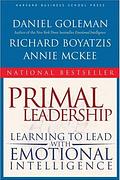
Great leaders move people through emotional intelligence, not just strategy.
The authors argue that a leader's primary task is emotional: setting the mood that drives everyone else's. Drawing on brain science and corporate research, they...
-
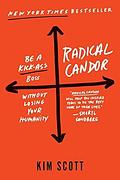
Care personally and challenge directly to lead better.
Scott argues that great management comes from Radical Candor: caring personally about people while challenging them directly. She contrasts it with the failure modes...
-
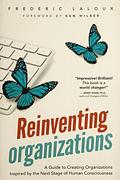
A blueprint for organizations run without traditional hierarchy.
Laloux maps the history of organizational models and identifies an emerging stage he calls Teal, built on self-management, wholeness, and evolutionary purpose. Through...
-
Build organizations that learn from customers and adapt continuously.
Sense and Respond argues that software is reshaping every industry and that successful organizations are those that sense customer behavior and respond quickly with...
-
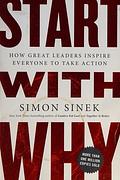
People don't buy what you do, they buy why you do it.
Sinek introduces the Golden Circle (why, how, what) to explain why some leaders and companies inspire while others merely transact. He argues that starting with a...
-
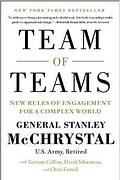
Lead a network, not a machine, in a fast world.
McChrystal recounts how his task force in Iraq defeated a nimble enemy by abandoning rigid command structures for a flexible, networked team of teams. He blends...
-
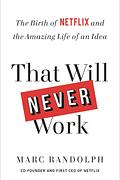
How a doubted idea became Netflix, told by its first CEO.
Marc Randolph recounts the founding of Netflix, from the brainstorming that produced the idea through the scrappy early days of a DVD-by-mail startup. He is candid...
-
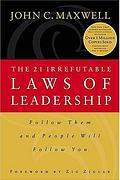
Twenty-one timeless laws that govern how leadership actually works.
Maxwell argues that leadership follows consistent, learnable laws, each illustrated with stories and examples. From the Law of the Lid (leadership ability caps...
-

A healthy organization beats a smart one every time.
In his first straight nonfiction book, Lencioni argues that organizational health, not just strategy or finance, is the single greatest competitive advantage. He lays...
-
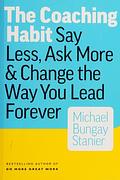
Lead by asking better questions, not giving answers.
Stanier distills coaching into seven essential questions that managers can use to build a daily coaching habit. The premise is that leaders should stay curious a...
-
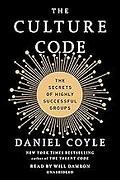
Belonging, candor, and purpose are what make groups click.
Coyle goes inside high-performing groups, from Navy SEALs and IDEO to the San Antonio Spurs, to find what makes their cultures work. He distills culture down to three...
-
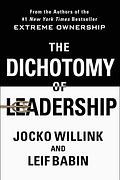
Every leadership strength becomes a weakness when overused.
The follow-up to Extreme Ownership focuses on the balancing act of leadership: knowing when to push and when to ease off. Willink and Babin examine opposing forces a...
-
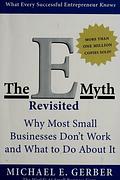
Build a business that runs without you by working on it, not in it.
Gerber dismantles the myth that most small businesses are started by entrepreneurs, arguing instead that they are started by technicians who get trapped doing the...
-
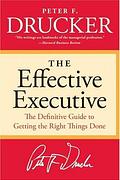
Effectiveness is a habit anyone can learn.
Drucker argues that effectiveness, doing the right things, is a discipline that can be learned rather than an innate talent. He lays out practices including managing...
-
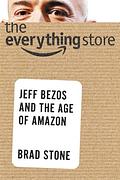
How Bezos turned a bookstore into an everything machine.
Brad Stone chronicles Amazon's rise from a 1990s online bookstore through the dot-com crash to the inventions of Prime, Kindle, and AWS. Drawing on interviews with...
-
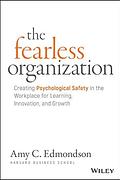
Build teams where people speak up without fear.
Edmondson argues that psychological safety, the shared belief that it is safe to take interpersonal risks, is the foundation of high-performing teams. Drawing on...
-
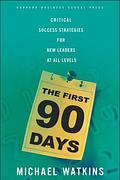
Master the first three months of any new role.
Watkins lays out a structured plan for the critical first ninety days in a new leadership role, when momentum or failure is set early. He covers accelerating learning,...
-
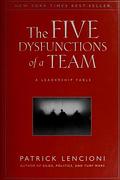
Five interlocking dysfunctions that quietly sink any team.
Told as a business fable about a struggling tech company's new CEO, the book lays out a pyramid of five dysfunctions: absence of trust, fear of conflict, lack of...
-
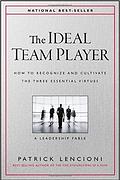
Great teammates are humble, hungry, and smart.
Told first as a fable and then as a practical model, this book identifies three virtues that make someone an ideal team player: humble, hungry, and smart (in the...
-
Play for the long game, not just to win today.
Sinek applies game theory's distinction between finite and infinite games to business, arguing that the best leaders play the infinite game. Rather than chasing...
-
Five evidence-based practices that exemplary leaders share.
Based on research into what people did when at their personal best as leaders, Kouzes and Posner distill leadership into five practices: Model the Way, Inspire a...
-
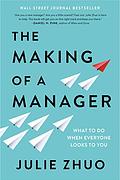
A field guide for the suddenly-in-charge new manager.
Drawing on her own path from new manager to design VP at Facebook, Zhuo writes an honest, practical guide to the early years of managing people. She covers the real...
-
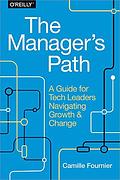
A stage-by-stage map from engineer to technical executive.
Camille Fournier walks through each step of the technical leadership ladder, from mentoring and tech lead to manager, director, and CTO. Each chapter gives practical,...
-
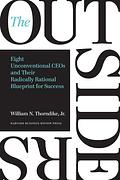
Eight contrarian CEOs who crushed the market by mastering capital allocation.
The book profiles eight unconventional CEOs (including Warren Buffett, Tom Murphy, and Katharine Graham) whose companies dramatically outperformed the S&P 500. Their...
-
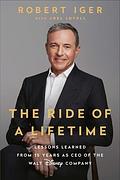
Leadership lessons from reinventing a media giant.
Robert Iger shares the leadership principles he relied on while running Disney for fifteen years. He recounts the negotiations and bold bets behind acquiring Pixar,...
-
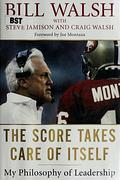
Set the standard, and the winning takes care of itself.
Bill Walsh shares the leadership philosophy he used to turn the worst team in football into a dynasty. His core idea is the Standard of Performance: define and...
-
Every organization is a set of tribes, and culture is the lever.
Drawing on an eight-year study of roughly 24,000 people across two dozen organizations, the authors argue that every company is made up of tribes of 20 to 150 people....
-
The coaching principles behind Silicon Valley's most valuable mentor.
The authors distill the leadership lessons of Bill Campbell, the executive coach who quietly guided leaders at Google, Apple, and beyond. They show how Campbell built...
-
Stop giving orders, start creating leaders at every level.
Marquet recounts how he took the worst-performing submarine in the U.S. fleet and made it one of the best by abandoning the traditional leader-follower model. Instead...
-
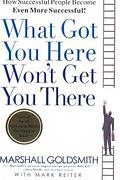
The habits that made you successful can hold you back.
Goldsmith identifies twenty interpersonal habits, like winning too much, adding too much value, and not listening, that keep already successful people from advancing...
-
Your culture is what your people do, not what you say.
Horowitz argues that culture is defined by how people actually behave, especially when leaders are not watching. He draws lessons from unlikely leaders including the...
-

Hire A players with a disciplined, repeatable method.
Smart and Street argue that hiring mistakes are the costliest problem in business and offer the A Method to fix them. The process centers on writing a scorecard,...
-
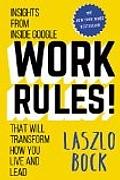
How Google hires, manages, and frees its people.
Bock shares the people-operations practices that shaped Google, from rigorous, structured hiring to giving employees freedom and using data to make management...
Questions, answered
What books do founders recommend?
Founders on the eChai network recommend titles like No Rules Rules, Good to Great, and Built to Last. The bookshelf ranks books by how many founders have read them.
Where can I find a startup reading list?
The eChai founder bookshelf is a curated, founder-recommended reading list you can browse by topic (fundraising, product, hiring) and by stage.
How is the bookshelf ordered?
By recommendation: the more founders mark a book read, the higher it ranks. You can also sort by newest or A to Z.