The Founder Bookshelf
Books founders recommend to each other. Browse by topic or by where you are as you grow, mark what you've read, and add what's next.
51 books on Product & Design
-
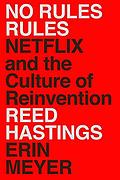
High talent density plus radical candor minus controls.
Hastings and Meyer reveal the unusual management philosophy behind Netflix, built on three moves: raise talent density, increase candor, then progressively remove...
3 founders recommend Get the book ↗


-
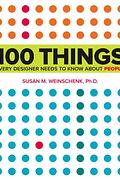
Design grounded in how people actually think and act.
This book distills psychology and behavioral research into 100 short, practical insights about how people see, read, remember, decide, and act. Each entry pairs a...
1 founder recommends Get the book ↗
-
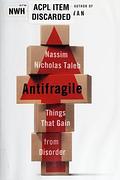
Some things actually get stronger when life shocks them.
Taleb introduces antifragility, the property of systems that gain from volatility, stress, and disorder rather than merely surviving it. He contrasts the fragile, the...
1 founder recommends Get the book ↗
-
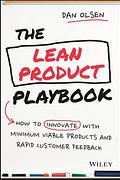
A step-by-step process for reaching product-market fit.
The Lean Product Playbook offers a concrete, six-step process for achieving product-market fit using minimum viable products and rapid customer feedback. Olsen...
1 founder recommends Get the book ↗
-
The definitive handbook for designing software people can use.
About Face is a comprehensive guide to interaction design, introducing goal-directed methods and the use of personas to design software around real user goals. First...
-
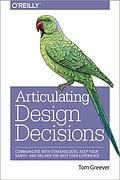
Great design dies in the meeting unless you can explain it.
This book focuses on the conversation that happens after the design is done, when you have to defend and explain your decisions to clients, executives, and teammates....
-
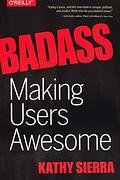
Don't build a better product, build a more capable user.
Badass argues that sustainable success comes not from making a better product but from making users awesome at whatever the product helps them do. Sierra draws on...
-
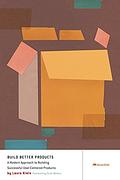
Build products people actually want, backed by real evidence.
Laura Klein provides a hands-on, step-by-step process for incorporating strategy, empathy, design, and analytics into product development. The book emphasizes...
-
Design and reinvent your business model on a single canvas.
A visually rich, co-created handbook that introduces the Business Model Canvas, a one-page framework of nine building blocks for describing how an organization...
-
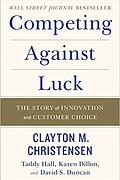
Customers do not buy products, they hire them to do a job.
Christensen and co-authors lay out the Jobs to Be Done theory: people hire products and services to make progress in specific circumstances of their lives. By...
-
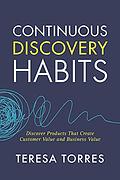
Build a weekly habit of talking to customers to guide product decisions.
Continuous Discovery Habits presents a structured, sustainable approach to product discovery built on regular customer contact. Torres introduces the opportunity...
-
The end-to-end manual for landing a product manager job.
Cracking the PM Interview demystifies the product manager role and the hiring process at major tech companies. It covers what PMs actually do, how to position a...
-
Frameworks and model answers for tough PM interview questions.
Decode and Conquer is a focused playbook for answering product management interview questions. Lin introduces structured frameworks such as the CIRCLES Method for...
-

The comprehensive field manual for human-centered product design.
This thorough reference walks through the full process of designing digital products and services, from research and personas through requirements, interaction design,...
-
How great designers turn ideas into products people actually love.
Hurff distills how successful product designers think and work, drawing on interviews with practitioners across the industry. He covers everything from finding what to...
-
The best interface never makes the user stop and wonder how it works.
Steve Krug argues that the first law of usability is that a page should be self-evident, so users never have to think about how to use it. Through short chapters and...
-
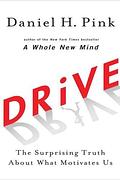
Real motivation comes from autonomy, mastery, and purpose.
Drawing on decades of behavioral science, Pink argues that the carrot-and-stick incentives most organizations rely on are mismatched to how people actually work. He...
-
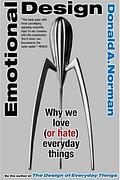
Why beautiful things often work better than plain ones.
Norman argues that emotion is central to how we experience and judge the things we use, not a superficial add-on. He proposes three levels of design: visceral...
-
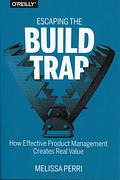
Stop shipping features for their own sake and create real value.
Escaping the Build Trap explains how companies get stuck measuring success by features shipped instead of value created, and how to break out. Perri lays out the role...
-
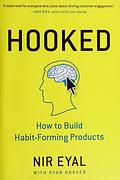
The four-step Hook Model behind products people use without thinking.
Hooked lays out the Hook Model, a four-phase cycle of trigger, action, variable reward, and investment that explains how successful products build user habits. Drawing...
-
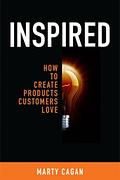
How great tech companies build products customers actually love.
Inspired distills how the best technology companies structure product teams and build products customers love. Cagan covers the role of the product manager, product...
-

Short, sharp essays on building the right product.
This compact book collects essays from Intercom's team on how to do product management well. It covers deciding what to build, ruthlessly prioritizing, saying no, and...
-
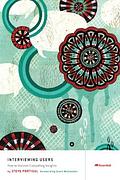
Learn to ask the questions that surface what users really do.
A practical guide to planning and conducting user interviews that yield genuine insight rather than confirmation of what you already believe. Portigal covers...
-
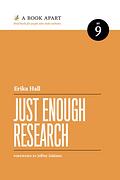
Do the research you need, and skip the rest.
Hall delivers a concise, no-nonsense guide to doing effective research without the overhead that intimidates small teams. She covers how to ask good questions, avoid...
-
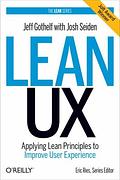
Design as a fast, collaborative, hypothesis-driven team activity.
Lean UX applies the principles of Lean Startup and agile to the practice of user experience design. It reframes design as a collaborative, hypothesis-driven process...
-
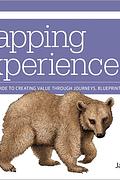
Make the whole customer experience visible so teams can fix it.
A comprehensive reference for diagramming the experiences people have with an organization, covering customer journey maps, service blueprints, mental model diagrams,...
-
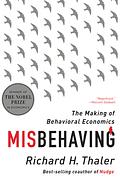
How economics learned that humans are not perfectly rational.
Thaler tells the story of how behavioral economics grew from a fringe idea into a mainstream discipline. He recounts his own career and the resistance he faced arguing...
-
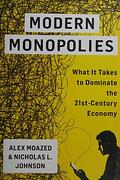
Why platforms, not products, dominate the modern economy.
Moazed and Johnson argue that platform businesses, which connect producers and consumers rather than make products, have become the dominant model of the 21st century....
-
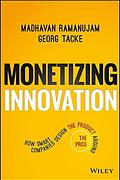
Design the product around the price, not the other way around.
Ramanujam and Tacke argue that most innovations fail financially because companies treat pricing as an afterthought. They advocate having willingness-to-pay...
-
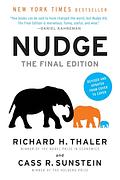
Small design choices can steer better decisions without removing freedom.
Thaler and Sunstein argue that the way choices are presented, the choice architecture, profoundly shapes the decisions people make. They introduce libertarian...
-
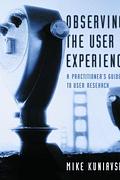
A hands-on toolkit for actually doing user research.
This practitioner's guide walks through the practical methods of user research, from interviews and surveys to usability testing and field studies. It explains when to...
-
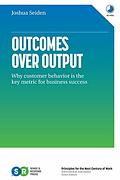
Measure changes in customer behavior, not features shipped.
In this short, focused book, Joshua Seiden makes the case that outcomes (measurable changes in customer behavior) are the real metric of success, not the volume of...
-
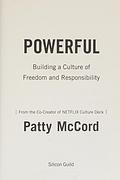
Treat people like adults and build a high-performance culture.
Drawing on her years shaping Netflix's culture, Patty McCord rejects conventional HR practices in favor of treating employees as capable adults. She argues for radical...
-
Product management is mostly people, not frameworks.
Matt LeMay focuses on the everyday, tactical realities of product management rather than abstract theory. He argues the job is a connective role defined by...
-
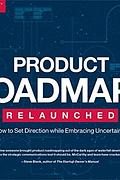
Roadmaps are about outcomes and direction, not feature lists.
This book reframes the product roadmap as a strategic communication tool centered on themes and outcomes rather than dated feature commitments. The authors walk...
-
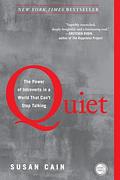
Why the quiet half of the team is often the most powerful.
Cain blends psychology, neuroscience, and case studies to argue that modern Western culture overvalues extroversion and systematically undervalues introverts. She...
-
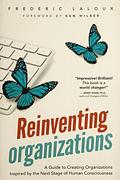
A blueprint for organizations run without traditional hierarchy.
Laloux maps the history of organizational models and identifies an emerging stage he calls Teal, built on self-management, wholeness, and evolutionary purpose. Through...
-
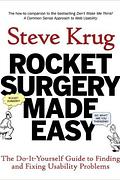
Run your own usability tests, cheaply and often.
Rocket Surgery Made Easy is a practical, step-by-step guide to doing your own usability testing without a lab or specialists. Krug shows how a few users a month can...
-
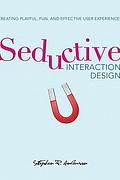
Use psychology to make products people actually enjoy using.
Anderson reframes interaction design around the stages of seduction, applying principles from psychology to make experiences engaging rather than merely functional....
-
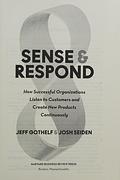
Build organizations that learn from customers and adapt continuously.
Sense and Respond argues that software is reshaping every industry and that successful organizations are those that sense customer behavior and respond quickly with...
-
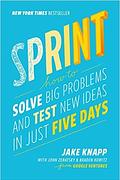
Solve big problems and test ideas with customers in five days.
Sprint lays out a five-day process, developed at Google Ventures, for solving hard problems and validating ideas before investing heavily in them. Each day has a...
-
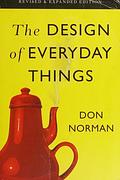
Good design is invisible; bad design is the user's fault you wrongly accept.
Don Norman explains why some everyday objects are a pleasure to use while others are frustrating, blaming bad design rather than clumsy users. He introduces concepts...
-
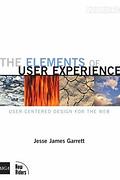
A clear model of what user experience actually is.
The Elements of User Experience lays out a five-plane model, from abstract strategy to concrete surface, that explains how the pieces of a user experience fit...
-
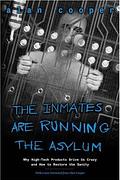
Stop letting programmers design the products users hate.
Cooper argues that high tech products frustrate people because they are designed by engineers optimizing for what is easy to build rather than what users actually...
-
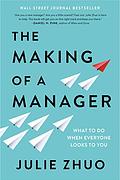
A field guide for the suddenly-in-charge new manager.
Drawing on her own path from new manager to design VP at Facebook, Zhuo writes an honest, practical guide to the early years of managing people. She covers the real...
-
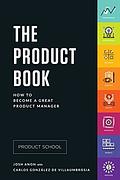
A complete beginner's roadmap to the product manager craft.
Based on Product School's curriculum, this book offers an end-to-end introduction to product management for newcomers. It covers identifying customer needs, designing...
-
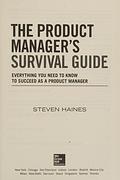
A field manual for surviving and thriving in your product role.
Steven Haines offers a practical, no-nonsense guide to the realities of the product manager job, from understanding the role to working across functions. It covers...
-
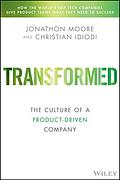
A practical playbook for adopting the product operating model.
Transformed tackles how established companies move from project-based delivery to a product operating model. The SVPG team covers changing how you build, how you solve...
-
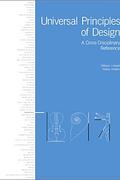
A cross-disciplinary reference of how good design works.
Universal Principles of Design is an illustrated reference covering concepts drawn from across design, psychology, and engineering, with each principle explained on a...
-
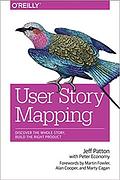
Map the user's journey to build the product that matters.
User Story Mapping introduces a visual technique for organizing user stories into the flow of a user's experience so teams build a coherent product rather than a pile...
-
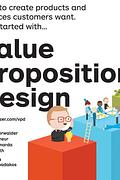
Build what customers actually want using the value proposition canvas.
A companion to Business Model Generation that zooms into the value proposition and customer segment blocks of the canvas. It introduces the Value Proposition Canvas,...
Questions, answered
What books do founders recommend?
Founders on the eChai network recommend titles like No Rules Rules, 100 Things Every Designer Needs to Know About People, and Antifragile. The bookshelf ranks books by how many founders have read them.
Where can I find a startup reading list?
The eChai founder bookshelf is a curated, founder-recommended reading list you can browse by topic (fundraising, product, hiring) and by stage.
How is the bookshelf ordered?
By recommendation: the more founders mark a book read, the higher it ranks. You can also sort by newest or A to Z.