The Founder Bookshelf
Books founders recommend to each other. Browse by topic or by where you are as you grow, mark what you've read, and add what's next.
66 books for idea & validation
-
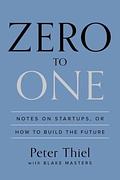
The best businesses create something new, not copies of what exists.
Peter Thiel contends that real progress comes from going from zero to one, creating something genuinely new, rather than copying what works (one to n). He argues that...
3 founders recommend Get the book ↗


-
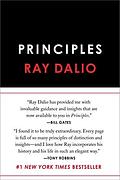
Turn your hard-won lessons into a system you can repeat.
Dalio distills the life and work principles he developed running Bridgewater into a single framework for making better decisions. He champions radical truth and...
2 founders recommend Get the book ↗

-
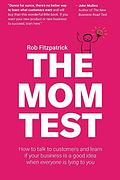
Ask about their life, not your idea, to get honest answers.
Fitzpatrick teaches founders how to interview potential customers without biasing the answers, even when people are inclined to be polite and lie to you. The core idea...
2 founders recommend Get the book ↗
-
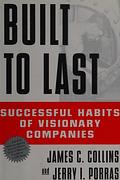
What separates enduring great companies from the merely good ones.
Based on a six-year study at Stanford, the book compares eighteen visionary companies against close competitors to find what made them last for decades. The authors...
1 founder recommends Get the book ↗
-
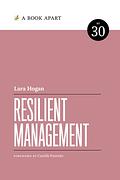
A compact field guide for new managers in tech.
Lara Hogan offers a short, practical handbook for first-time and growing managers, especially in technology. She covers building trust, running effective one-on-ones,...
1 founder recommends Get the book ↗
-
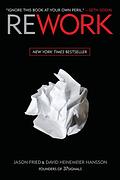
A contrarian, no-nonsense manifesto for building a business your way.
A series of short, punchy chapters that challenge conventional business wisdom about plans, growth, meetings, and hustle. The Basecamp founders argue you do not need...
1 founder recommends Get the book ↗
-
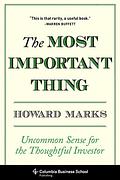
Why thinking differently and better beats being smart.
Drawn from Howard Marks's celebrated investor memos, the book distills his philosophy into themes like second-level thinking, the price-value relationship, and...
1 founder recommends Get the book ↗
-
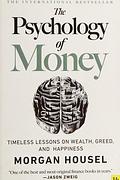
Doing well with money is about behavior, not intelligence.
Through a series of short stories, Morgan Housel argues that financial success is less about what you know and more about how you behave. He explores how greed, fear,...
1 founder recommends Get the book ↗
-
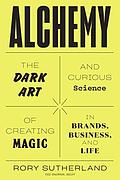
The most valuable ideas often make no logical sense.
Sutherland argues that human behavior is driven by psychology and perception more than by economic logic, so the best business and marketing solutions are often...
-
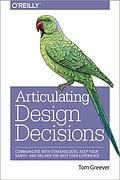
Great design dies in the meeting unless you can explain it.
This book focuses on the conversation that happens after the design is done, when you have to defend and explain your decisions to clients, executives, and teammates....
-
Hard-won advice on building products, teams, and a career worth having.
Build is part memoir, part mentorship manual from one of the people behind the iPod, iPhone, and Nest. Fadell shares blunt advice on careers, product design, startups,...
-

Build products people actually want, backed by real evidence.
Laura Klein provides a hands-on, step-by-step process for incorporating strategy, empathy, design, and analytics into product development. The book emphasizes...
-

Word of mouth, not advertising, is what really makes things spread.
Jonah Berger investigates the science of why certain products, ideas, and behaviors catch on through word of mouth. He identifies six principles, captured by the...
-
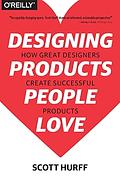
How great designers turn ideas into products people actually love.
Hurff distills how successful product designers think and work, drawing on interviews with practitioners across the industry. He covers everything from finding what to...
-
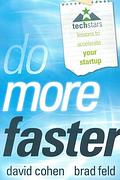
Practical startup wisdom distilled from Techstars mentors and founders.
Built from the Techstars accelerator experience, the book collects short, punchy lessons from mentors, founders, and investors. It is organized into themes like idea,...
-
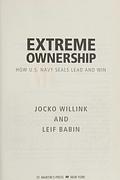
Leaders own everything in their world, no excuses.
Two former SEAL officers translate combat leadership into business principles, pairing battlefield stories with management applications. The core idea is extreme...
-
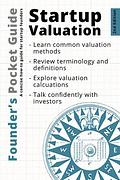
A plain-language crash course in valuing your early-stage startup.
This concise pocket guide walks first-time founders through the core concepts behind early-stage startup valuation. It explains how investors think about pre-money and...
-
Using economics and data to explain the hidden side of everything.
Levitt and Dubner apply economic tools to unconventional questions, from cheating teachers to the inner workings of drug gangs. The book argues that incentives explain...
-
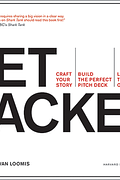
Build the relationships and the deck that get you funded.
Get Backed is a hands-on handbook for raising money, built around the pitch deck and the relationships behind it. The authors share real decks that raised millions, a...
-

Great ads come from one simple, surprising, well-crafted idea.
A widely used guide to creating effective advertising, covering how to find big ideas, write sharp copy, and survive the creative business. Named after an annoying ad...
-
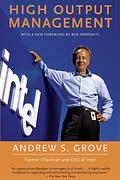
A manager's output is the output of their whole organization.
Andy Grove distills the management principles he used to run Intel into a practical operating manual for managers at any level. He frames management around leverage:...
-
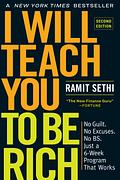
Automate your money and spend guilt-free on what you love.
A practical six-week program that teaches young professionals to optimize credit cards, banks, investing, and spending through automation. Sethi argues for spending...
-
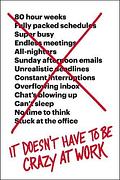
Building a calm company instead of a chaotic, always-on one.
The Basecamp founders make the case for the calm company, one without crazy hours, frantic growth, or constant distraction. Through short chapters they describe how...
-
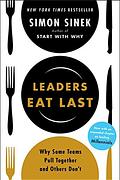
Great leaders sacrifice their comfort to keep their people safe.
Drawing on the Marine Corps principle that officers eat last, Sinek argues that the best leaders create a 'circle of safety' so their people can focus on shared goals...
-
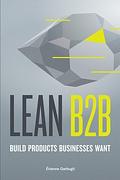
A practical playbook for validating B2B products fast.
Lean B2B adapts lean startup and customer development specifically to the business-to-business context, where buyers and users differ and sales cycles are long....
-
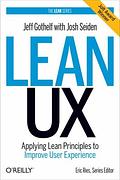
Design as a fast, collaborative, hypothesis-driven team activity.
Lean UX applies the principles of Lean Startup and agile to the practice of user experience design. It reframes design as a collaborative, hypothesis-driven process...
-
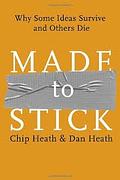
Sticky ideas are simple, unexpected, concrete, credible, emotional, and storied.
The Heath brothers analyze why certain ideas, from urban legends to public health campaigns, stick in our minds while others fade. They distill stickiness into six...
-
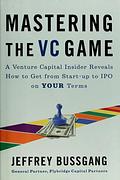
A two-sided guide to playing the venture game and winning.
Jeffrey Bussgang draws on his experience as both founder and VC, plus interviews with entrepreneurs like Jack Dorsey and Reid Hoffman, to explain how the venture game...
-
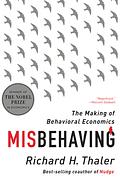
How economics learned that humans are not perfectly rational.
Thaler tells the story of how behavioral economics grew from a fringe idea into a mainstream discipline. He recounts his own career and the resistance he faced arguing...
-
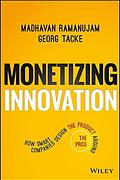
Design the product around the price, not the other way around.
Ramanujam and Tacke argue that most innovations fail financially because companies treat pricing as an afterthought. They advocate having willingness-to-pay...
-
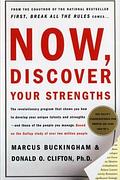
Stop fixing weaknesses and start building on your talents.
The original Gallup strengths book introduces the idea that real growth comes from developing innate talents into strengths rather than patching weaknesses. It...
-
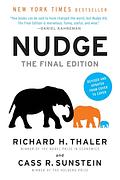
Small design choices can steer better decisions without removing freedom.
Thaler and Sunstein argue that the way choices are presented, the choice architecture, profoundly shapes the decisions people make. They introduce libertarian...
-
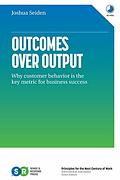
Measure changes in customer behavior, not features shipped.
In this short, focused book, Joshua Seiden makes the case that outcomes (measurable changes in customer behavior) are the real metric of success, not the volume of...
-
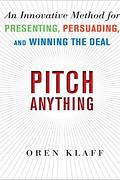
Win the deal by controlling the frame, not just the facts.
Klaff presents his STRONG method for pitching, built on the idea that every interaction is a collision of psychological frames and the stronger frame wins. He draws on...
-
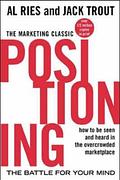
Win the war for a spot in your customer's mind.
Ries and Trout argue that marketing is a battle fought not in the market but in the prospect's mind, where being first and owning a single clear idea beats having a...
-
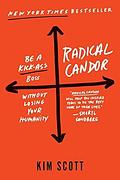
Care personally and challenge directly to lead better.
Scott argues that great management comes from Radical Candor: caring personally about people while challenging them directly. She contrasts it with the failure modes...
-
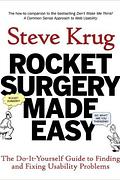
Run your own usability tests, cheaply and often.
Rocket Surgery Made Easy is a practical, step-by-step guide to doing your own usability testing without a lab or specialists. Krug shows how a few users a month can...
-

Treat advertising as a measurable, testable science.
A foundational 1923 text arguing that advertising should be judged by measurable results, not opinion or art. Hopkins champions testing, tracking, coupons, and sales...
-
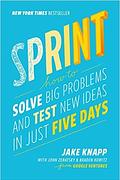
Solve big problems and test ideas with customers in five days.
Sprint lays out a five-day process, developed at Google Ventures, for solving hard problems and validating ideas before investing heavily in them. Each day has a...
-
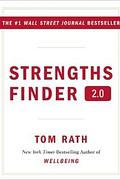
Find your top strengths and build your life around them.
An upgrade of Gallup's strengths assessment, the book pairs a short read with an online code that unlocks the CliftonStrengths test. After taking it, readers receive...
-
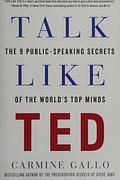
Nine science-backed habits behind the world's best talks.
Gallo analyzes hundreds of the most popular TED talks to extract nine principles that make presentations memorable and persuasive. He blends neuroscience and rhetoric...
-
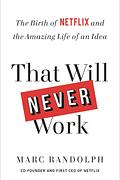
How a doubted idea became Netflix, told by its first CEO.
Marc Randolph recounts the founding of Netflix, from the brainstorming that produced the idea through the scrappy early days of a DVD-by-mail startup. He is candid...
-
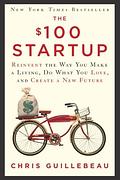
Turn a passion and a tiny budget into a real income business.
Drawing on case studies of 1,500 people who built businesses on small investments, often a hundred dollars or less, the book distills how ordinary people created...
-
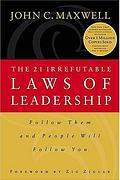
Twenty-one timeless laws that govern how leadership actually works.
Maxwell argues that leadership follows consistent, learnable laws, each illustrated with stories and examples. From the Law of the Lid (leadership ability caps...
-
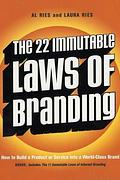
Branding is about owning a word in the customer's mind.
Al and Laura Ries lay out 22 principles for building a powerful brand, arguing that branding is fundamentally about narrowing focus to dominate a category in the...
-
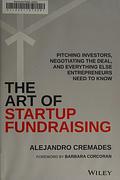
A modern, step-by-step playbook for raising startup capital.
Cremades offers a practical guide to startup fundraising in the post-JOBS Act era, covering everything from crafting a pitch and building a deck to identifying...
-
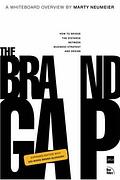
A brand is not what you say it is, but what they say it is.
Neumeier argues that great brands live in the gap between business strategy and design, and that bridging it requires both logic and magic. In a fast, visual format he...
-
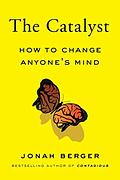
Stop pushing harder and start removing the barriers to change.
Berger argues that the best way to change minds is not to push harder but to reduce the barriers and friction that hold people back. Drawing on research and real...
-
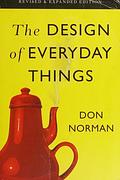
Good design is invisible; bad design is the user's fault you wrongly accept.
Don Norman explains why some everyday objects are a pleasure to use while others are frustrating, blaming bad design rather than clumsy users. He introduces concepts...
-
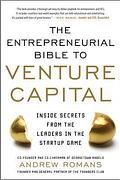
Inside secrets on venture capital from the people who run it.
Romans compiles advice and insider perspectives from leading venture capitalists, angel investors, and entrepreneurs on how startup funding really works. The book...
-
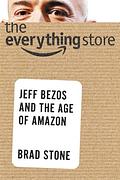
How Bezos turned a bookstore into an everything machine.
Brad Stone chronicles Amazon's rise from a 1990s online bookstore through the dot-com crash to the inventions of Prime, Kindle, and AWS. Drawing on interviews with...
-
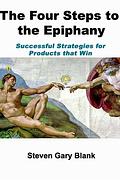
Get out of the building and validate before you scale.
Blank argues that startups fail not from product flaws but from a lack of customers, and proposes Customer Development as a parallel process to product development. He...
-
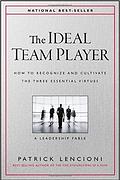
Great teammates are humble, hungry, and smart.
Told first as a fable and then as a practical model, this book identifies three virtues that make someone an ideal team player: humble, hungry, and smart (in the...
-
Cheap, fast experiments beat big, untested ideas.
Schrage argues that organizations get more innovation value from running many cheap experiments than from chasing a few good ideas. He introduces the 5x5 framework:...
-
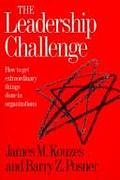
Five evidence-based practices that exemplary leaders share.
Based on research into what people did when at their personal best as leaders, Kouzes and Posner distill leadership into five practices: Model the Way, Inspire a...
-
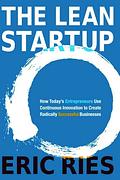
Treat your startup as an experiment, not a leap of faith.
Eric Ries argues that startups are organizations built to find a sustainable business model under extreme uncertainty, not just to execute a plan. He introduces...
-
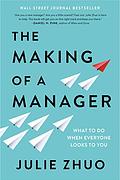
A field guide for the suddenly-in-charge new manager.
Drawing on her own path from new manager to design VP at Facebook, Zhuo writes an honest, practical guide to the early years of managing people. She covers the real...
-
The core of a business education without the tuition.
The book argues that the essential ideas of business can be learned on your own, and it organizes them into clear mental models across value creation, marketing,...
-
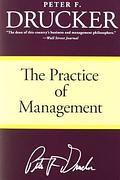
The book that turned management into a discipline.
Drucker's foundational text argues that management is a distinct, learnable practice rather than an accident of personality. It introduces management by objectives,...
-
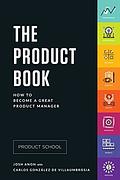
A complete beginner's roadmap to the product manager craft.
Based on Product School's curriculum, this book offers an end-to-end introduction to product management for newcomers. It covers identifying customer needs, designing...
-
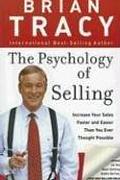
Your inner game of selling matters more than any technique.
Tracy argues that the psychology and self-image of the salesperson drive results more than tactics do. He covers building confidence, understanding buyer motivations,...
-
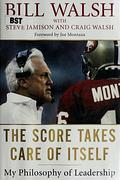
Set the standard, and the winning takes care of itself.
Bill Walsh shares the leadership philosophy he used to turn the worst team in football into a dynasty. His core idea is the Standard of Performance: define and...
-
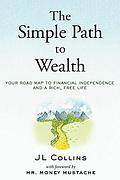
Buy low-cost index funds and stop overthinking it.
Written originally as letters to his daughter, Collins lays out a straightforward approach to building wealth through low-cost broad-market index funds. He explains...
-
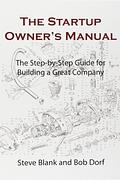
The exhaustive playbook for finding customers before building the product.
A dense, step-by-step manual that lays out the Customer Development process for taking a startup from idea to scalable business. It walks founders through customer...
-
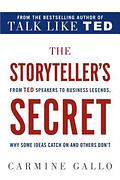
Great storytellers turn passion into performance.
Gallo profiles entrepreneurs, TED speakers, and business legends to reveal how compelling storytelling drives ideas, brands, and movements forward. He argues that...
-
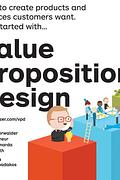
Build what customers actually want using the value proposition canvas.
A companion to Business Model Generation that zooms into the value proposition and customer segment blocks of the canvas. It introduces the Value Proposition Canvas,...
Questions, answered
What books do founders recommend?
Founders on the eChai network recommend titles like Zero to One, Principles: Life and Work, and The Mom Test. The bookshelf ranks books by how many founders have read them.
Where can I find a startup reading list?
The eChai founder bookshelf is a curated, founder-recommended reading list you can browse by topic (fundraising, product, hiring) and by stage.
How is the bookshelf ordered?
By recommendation: the more founders mark a book read, the higher it ranks. You can also sort by newest or A to Z.